
Plants
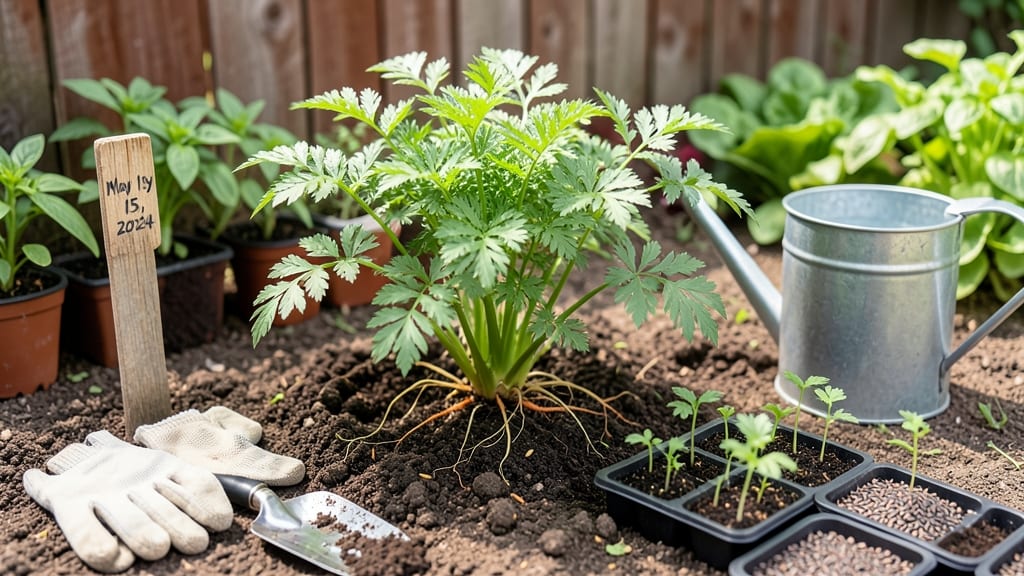
Planting carrots in the fall is your secret weapon for sweeter, crispier roots—if you time it right. Too early, and you’ll end up with bitter, woody carrots; too late, and frost will steal your harvest before they mature.
The key is understanding how soil temperatures and frost dates work together to create the perfect growing window.
For most gardeners in Zone 6a, the ideal window opens around late August to early September, giving your 🥕 8-12 weeks to grow before the first frost hits. But don’t just guess—soil temperature is the real game-changer.
Carrots need warm soil to germinate but cooler temps to develop sweetness, so we’ll break down exactly when to plant for fast, flavorful results.
You might think fall planting is tricky, but with a few simple tricks—like choosing the right varieties and prepping your soil—you can avoid common pitfalls like bolting or stunted growth. I’ll walk you through the exact steps to ensure your carrots thrive, from seed to harvest, without the stress.
Ready to grow carrots that taste like they came from a farmers’ market? Let’s dive into the soil-temperature secrets that will give you a bumper crop before winter sets in for good.
Ideal soil temperature ranges for fall carrot germination and growth
Understanding soil temperature ranges is the secret to growing perfect fall carrots. Unlike spring planting, fall carrots need a delicate balance—warm enough soil to kickstart germination but cooler temperatures to develop their signature sweetness.
The ideal germination window for carrots is between 60°F and 85°F, while roots thrive best when soil cools to 50°F–65°F for growth. Getting this balance right ensures your 🥕 sprouts reliably and matures before frost.
If you plant too early when soil is still warm, your carrots may bolt prematurely, producing bitter, woody roots. Conversely, planting too late when soil temperatures drop below 50°F can stall germination entirely.
The key is to time your planting so seeds germinate quickly in warm soil, then transition to cooler temps for sweet, crisp roots. This strategy works especially well in USDA Zones 3–10, where fall conditions vary dramatically.
To test your soil temperature, use a simple soil thermometer (available for under $10). Stick it 2–3 inches deep—where carrot seeds will be—and check readings in the morning. If temps hover between 65°F and 75°F, it’s prime time to plant.
In cooler zones like Zone 5 or 6, aim for late August to early September, while warmer climates (e.g., Zone 8–10) can plant as late as October.
| Stage | Ideal Soil Temp (°F) | USDA Zones | Planting Window | Key Tip |
|---|---|---|---|---|
| Germination | 60°F–85°F | 3–10 | Late July–early Sept (Zones 3–6) | Use black plastic mulch to warm soil |
| Growth | 50°F–65°F | 3–7 | August–October (Zones 7–10) | Mulch with straw to retain heat |
| Harvest | 40°F–50°F | All zones | Before first hard frost | Pull roots when soil is moist |
| Avoid | Below 50°F | 3–5 | Late Sept–Nov | Risk of slow germination |
If your soil runs cooler than 60°F in early fall, don’t panic—you can still create the perfect conditions. Spread a black plastic mulch over the bed 1–2 weeks before planting to absorb sunlight and raise soil temps by 5–10°F.
Remove it once seeds sprout to avoid overheating. For cooler climates (e.g., Zone 3–4), opt for short-season varieties like ‘Early Nantes’ or ‘Paris Market,’ which mature in just 50–60 days.
In warmer zones (e.g., Zone 9–10), where soil stays warm well into October, focus on succession planting. Sow a second batch in early September to extend your harvest through November.
Just be sure to use shade cloth if daytime temps exceed 85°F, as this can cause seeds to dry out before germinating. A lightweight 30% shade cloth works perfectly to keep soil cool while still allowing light through.
One common mistake gardeners make is assuming air temperature reflects soil temperature. They might check a weather app and see 70°F but find their soil is still 55°F—too cool for germination. Always test soil temps at the depth of your seeds.
Pro tip: Water your soil the day before testing to get a more accurate reading, as dry soil can skew temps by 5–10°F higher.
For regions with unpredictable fall weather, like the Pacific Northwest or Midwest, plan for a backup planting in early September. This gives you a second chance if your first attempt fails due to unexpected cold snaps.
Use row covers or cold frames to protect young seedlings if overnight temps dip below 40°F. These simple tools can add 5–10°F of warmth, buying you extra time to harvest before frost.
Remember, the goal is to give your carrots 8–12 weeks of growth before the first hard frost. In Zone 6a, that means planting by early September to harvest by mid-November. Adjust your timeline by 2–4 weeks earlier for cooler zones and 2–4 weeks later for warmer ones.
With these soil-temperature tricks, you’ll be pulling sweet, crisp carrots straight from your garden well into winter.
🌱
Fall planting timeline by region: when to sow carrots for a winter harvest
Timing your fall carrot planting is all about balancing soil warmth and frost dates. In warmer climates like Zones 8–10, you can start as early as late July, while cooler Zones 3–5 need to wait until September.
The goal? Give your carrots 60–80 days to mature before the first hard frost. Let’s break down the exact windows for your region to avoid bolting or frost damage.
Most gardeners focus on the first frost date, but soil temperature is just as critical. Carrots need 60°F–85°F to germinate but thrive in 50°F–65°F for sweet root development.
Use a soil thermometer to check—if temps drop below 50°F, your seeds may rot before sprouting. Here’s your region-by-region roadmap to success.
- Zones 3–5 (Cold Climates): September 1–15 (plant 8 weeks before first frost). Soil temps should be 50°F–65°F.
- Zones 6–7 (Temperate): August 15–September 1 (9–10 weeks before frost). Aim for 60°F–75°F soil.
- Zones 8–10 (Warm Climates): July 20–August 10 (10–12 weeks before frost). Start early to avoid summer heat stress.
For gardeners in Zone 6a (like me!), I always plant my ‘Paris Market’ carrots around late August. This gives them about 10 weeks to mature before the first frost hits mid-October.
If you’re unsure about your frost date, check the Almanac’s Frost Calculator—it’s a game-changer for planning. I’ve used it for years, and it’s never steered me wrong.
Don’t forget about succession planting! In warmer zones, you can make a second planting in early October for a late-winter harvest. Just use cold-hardy varieties like ‘Danvers’ or ‘Chantenay’, which tolerate light frosts better than others.
Mulch with straw or leaves to insulate the soil and keep roots crisp.
If you miss the ideal window, don’t panic—you can still plant 4–6 weeks before frost and use row covers to protect young seedlings. I’ve had success with this method in Zone 7, where late September plantings still yield sweet carrots by November.
Just be prepared to harvest before the ground freezes completely.
Remember, the key to fall carrots is cool soil and warm days. Plant too early, and your carrots will bolt; too late, and frost will ruin your harvest. With this timeline, you’ll have crisp, flavorful carrots straight from your garden—no store-bought substitutes needed. Happy planting! 🥕