
Plants
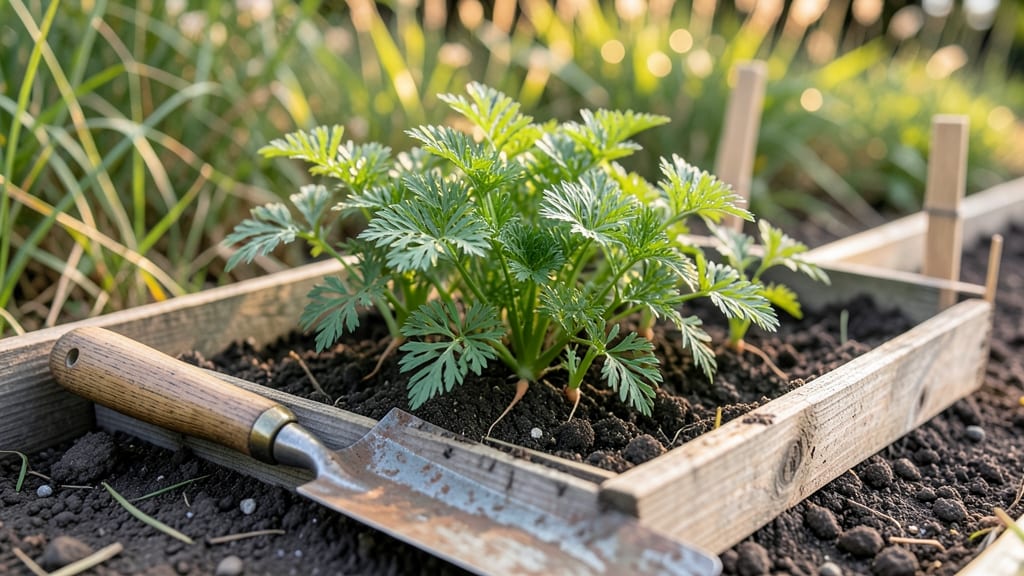
Planting carrots 🥕 in Seattle might seem tricky with its ever-changing weather, but timing is everything for those sweet, crisp roots you crave.
The key is knowing whether you're in the cooler coastal areas or the slightly warmer inland zones—because a 2-week difference can mean the difference between a thriving harvest and a bolted disappointment.
Most Seattle gardeners get their best results by starting seeds in early March to April for spring harvests, but inland areas can push planting a bit later. The secret? Waiting until soil temperatures hit 50°F consistently—cold soil makes seeds sluggish, while warm soil gets them growing fast.
And don't overlook fall planting either—August to September gives you a second chance at harvest before winter sets in.
I've learned the hard way that rushing the process leads to stunted roots or bitter flavors, but with the right timing, you'll be pulling perfectly shaped carrots by June or October.
Whether you're working with raised beds or containers, these adjustments will help you beat Seattle's unpredictable climate and enjoy homegrown carrots all season long.
Ready to turn your garden into a carrot patch? Let's break down the exact planting schedule, soil prep tricks, and variety recommendations that actually work in our Pacific Northwest climate—no guesswork required.
Seattle’s carrot planting calendar: coastal vs inland timing breakdown
Seattle’s microclimates create unique challenges for carrot gardeners. The coastal areas like West Seattle stay cooler and wetter longer, while inland zones like Redmond warm up faster. These differences mean your planting window could vary by 3-4 weeks depending on location.
Understanding these nuances ensures you grow sweet, straight carrots without bolting or frost damage.
Carrots thrive in cool soil temperatures between 50°F and 85°F. Seattle’s last spring frost typically hits around March 15, but coastal areas may see frost until April 1.
Inland regions often warm up enough by mid-March to start planting. For fall harvests, aim to plant 8-10 weeks before the first frost, which usually arrives November 15.
Here’s how to align your planting with Seattle’s two distinct growing zones:
For spring planting, coastal gardeners should wait until late March to avoid cold soil, which can stunt germination. Inland areas can start as early as mid-March when soil reaches 50°F. Use a soil thermometer to confirm readiness—carrot seeds need 60°F+ soil to sprout reliably.
Fall planting offers a second chance for harvests. Coastal areas should plant mid-August to early September to ensure carrots mature before November’s first frost. Inland gardeners can extend this window until mid-September thanks to warmer fall temperatures. Choose short-day varieties like 'Early Nantes' to prevent bolting from decreasing daylight.
Seattle’s rainy springs can lead to waterlogged soil, which causes carrots to split or rot. Amend your beds with compost and coarse sand to improve drainage. Inland areas may face dry spells in late summer—mulch heavily to retain moisture and prevent bolting from stress.
Pro tip: Use black plastic mulch to warm soil faster in coastal areas. This can shave 1-2 weeks off your planting window. Just remove it once seeds sprout to prevent overheating.
For container growing, start seeds indoors 4-6 weeks before your zone’s last frost date and transplant seedlings when soil is workable.
Monitor your local USDA Zone 8a forecasts, as Seattle’s weather patterns shift yearly. The University of Washington’s AgWeatherNet provides real-time soil temperature data—bookmark it for precision planting. With these timing adjustments, you’ll enjoy crisp, homegrown carrots from June through November! 🥕
How to extend your carrot season in Seattle: succession planting tips
Seattle’s cool, wet climate means carrots can bolt before reaching maturity—or get drowned out by winter rains. The secret to a steady harvest? Succession planting—staggering your plantings every 2-3 weeks for a continuous supply.
This method works especially well for short-season varieties like 'Nantes' or 'Paris Market,' which thrive in Seattle’s USDA Zone 8a conditions.
Even with succession planting, timing matters. Plant too early, and cold soil can stunt germination. Too late, and your carrots may mature just as fall rains return. The key is balancing soil warmth (at least 50°F) with frost-free windows.
For Seattle, that means starting in late March and continuing through early September.
- 📅 Start in late March—wait until soil reaches 50°F (use a soil thermometer). Coastal areas can plant 2 weeks earlier than inland zones.
- 🌿 Plant every 2-3 weeks until early September for a fall harvest. Use shade cloth if summer temps exceed 80°F to prevent bolting.
- 🥕 Choose cold-hardy varieties like 'Rainbow' or 'Early Nantes' for fall plantings. These tolerate light frosts and mature in 50-60 days.
Don’t overlook soil preparation—Seattle’s clay-heavy soil can cause carrots to fork or split. Amend beds with compost and sand to improve drainage. For raised beds or containers, use a lightweight potting mix with perlite to prevent compaction.
A 1-inch layer of mulch (straw or shredded leaves) keeps soil moist and suppresses weeds.
For fall harvests, aim to plant seeds by mid-August so carrots mature before November’s first frost. If you miss that window, try overwintering with a thick mulch layer—some varieties like 'Winterkeeper' store well in cool soil and can be harvested in early spring.
Just be sure to thin seedlings to 2-3 inches apart to avoid competition.
Pro tip: Mark your planting dates on a garden calendar to track progress. Use biodegradable pots for direct sowing—they eliminate transplant shock. And if slugs are a problem (they love tender carrot greens!), set out beer traps or use copper tape around beds.
With these strategies, you’ll enjoy homegrown carrots from June through November!
Remember, succession planting isn’t just about quantity—it’s about quality. Smaller, frequent harvests mean sweeter roots and fewer pests. Start small with one 4x8-foot bed, then expand as you gain confidence. Happy planting! 🥕