
Plants
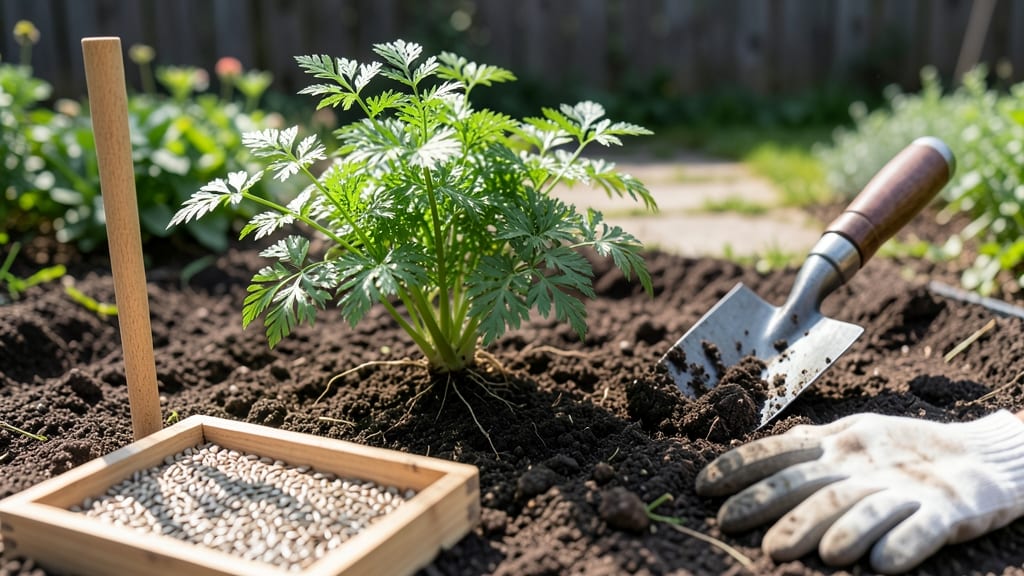
If you've ever planted 🥕 carrots in South Louisiana only to watch them bolt in the heat or twist into gnarled messes, you know timing is everything.
The key to crisp, sweet harvests lies in beating the summer heat by starting your seeds in the cooler months when the soil stays just right.
Most gardeners here swear by fall planting—between September and October—when temperatures dip enough to give those baby roots a fighting chance. But there's a second window too: early spring, from February to March, when the ground warms without scorching the seedlings.
Miss these windows, and you'll battle pests like nematodes or watch your carrots turn woody before they even mature.
I've tested the best varieties for this climate—Danvers and Nantes hold up better than most—and discovered the soil prep tricks that make all the difference. Sandy loam with sharp drainage is non-negotiable, and a little companion planting with onions or tomatoes can keep pests at bay.
Let me show you exactly how to set up your garden for foolproof results.
Whether you're a first-time gardener or a seasoned pro, these heat-zone hacks will transform your carrot patch from a gamble into a guaranteed harvest. Ready to dig in?
Best planting times for carrots in South Louisiana’s heat zones
South Louisiana’s USDA Heat Zones 8b-9a create a unique challenge for growing carrots. The key to success lies in planting during cooler months when soil temperatures stay below 75°F.
This prevents bolting (premature flowering) and ensures sweet, crisp roots instead of woody, bitter ones. Let’s break down the optimal planting windows and soil conditions for your region.
Carrots thrive in fall and early spring when temperatures are mild. In South Louisiana, September-October and February-March are the sweet spots. These months offer cooler soil temperatures (ideal: 55-70°F) and lower humidity, reducing stress on your plants.
Avoid planting in summer heat—temperatures above 80°F trigger bolting and attract pests like carrot rust flies.
Here’s a quick reference for your planting schedule, tailored to South Louisiana’s climate:
For fall planting, aim to sow seeds 8-10 weeks before the first frost (around September 15-October 1). This gives carrots enough time to mature before cold sets in. In South Louisiana, the first frost typically hits around December 1, so plan accordingly.
Use a soil thermometer to confirm temperatures are in the 55-70°F range—this is critical for root development.
Spring planting should begin in February once soil temperatures rise above 50°F. Wait too long, and you’ll face bolting as temperatures climb.
If you notice carrot tops flowering, harvest immediately—the roots will be tough and inedible. Succession planting every 2 weeks in spring ensures a steady harvest through May.
South Louisiana’s sandy, well-draining soil is perfect for carrots, but rocky or clay-heavy patches will cause forked roots. Amend your soil with compost and sand to improve texture. Test your soil’s pH—carrots prefer 6.0-7.0. If your soil is too acidic, add lime to raise the pH before planting.
Pests like carrot rust flies and wireworms thrive in Louisiana’s humidity. To deter them, use row covers or plant companion crops like onions or leeks. Avoid planting carrots in the same spot yearly—crop rotation every 3 years reduces pest buildup.
If you notice yellowing leaves or holes in roots, act fast with neem oil or diatomaceous earth.
Pro tip: Direct-sow carrot seeds—transplants struggle to establish. Plant seeds 1/4 inch deep, spacing them 2 inches apart in rows 12 inches apart. Thin seedlings to 3 inches apart once they’re 2 inches tall to prevent overcrowding.
Mulch with straw to retain moisture and suppress weeds, especially in humid Louisiana summers.
With the right timing and care, you’ll enjoy homegrown carrots from November through June. Start with fall planting for early harvests, then follow up with spring succession plantings to extend your season.
The key? Cool soil, consistent moisture, and pest vigilance—your reward will be sweet, crisp carrots straight from your Louisiana garden! 🥕
How to avoid carrot pests and bolting in humid Louisiana climates
South Louisiana’s humid heat and heavy rainfall create the perfect storm for carrot pests like rust flies and wireworms. Without the right strategies, your crop can bolt prematurely or become infested before harvest.
The key is combining pest-resistant varieties, smart mulching, and strategic companion planting to keep your carrots thriving.
First, focus on bolt-resistant varieties like 'Danvers Half Long' or 'Nantes', which handle heat better than standard types. These varieties are bred to tolerate Louisiana’s late-spring warmth without sending up flowers too early.
Pair them with organic mulch—straw or shredded leaves—to regulate soil temperature and retain moisture, reducing stress that triggers bolting.
Pros & Cons: Mulching for Carrot Protection
| Option | Pros | Cons |
|---|---|---|
| Straw Mulch | Regulates soil temp, deters pests, retains moisture | May harbor slugs if too thick |
| Shredded Leaves | Local material, improves soil over time | Can compact if wet; may harbor fungal spores |
| Black Plastic Mulch | Suppresses weeds, warms soil for early planting | Requires removal; can overheat roots in summer |
🌱 Pro Tip: Apply mulch 2-3 inches thick after seedlings emerge to balance protection and airflow.
Next, companion planting is your secret weapon against pests. Interplant carrots with onions or garlic—their strong scent repels carrot rust flies. Add tomatoes or leeks to deter wireworms, which hate their presence.
Avoid planting near dill or fennel, which attract pests that target carrots. Rotate crops yearly to break pest cycles, especially if you’ve had issues with nematodes in previous seasons.
For extra defense, use row covers in early spring or late fall when pests are most active. These lightweight fabrics block flying insects like rust flies while allowing sunlight and water through. In summer, prioritize shallow, frequent watering—deep soaks can drown roots in heavy clay soils common to Louisiana.
Water in the early morning to reduce humidity around foliage, which discourages fungal diseases like leaf blight.
Finally, monitor your crop weekly for signs of stress. Yellowing leaves or stunted growth often signal pest pressure or bolting. If you spot wireworm damage (chewed roots), handpick affected carrots and treat the soil with beneficial nematodes like Steinernema carpocapsae.
For rust flies, use yellow sticky traps to catch adults before they lay eggs in your soil.
With these strategies, you’ll outsmart Louisiana’s pests and enjoy a bountiful harvest of sweet, crisp carrots—even in the heat. The key is acting early and staying consistent with your defenses. Happy gardening! 🥕