
Plants
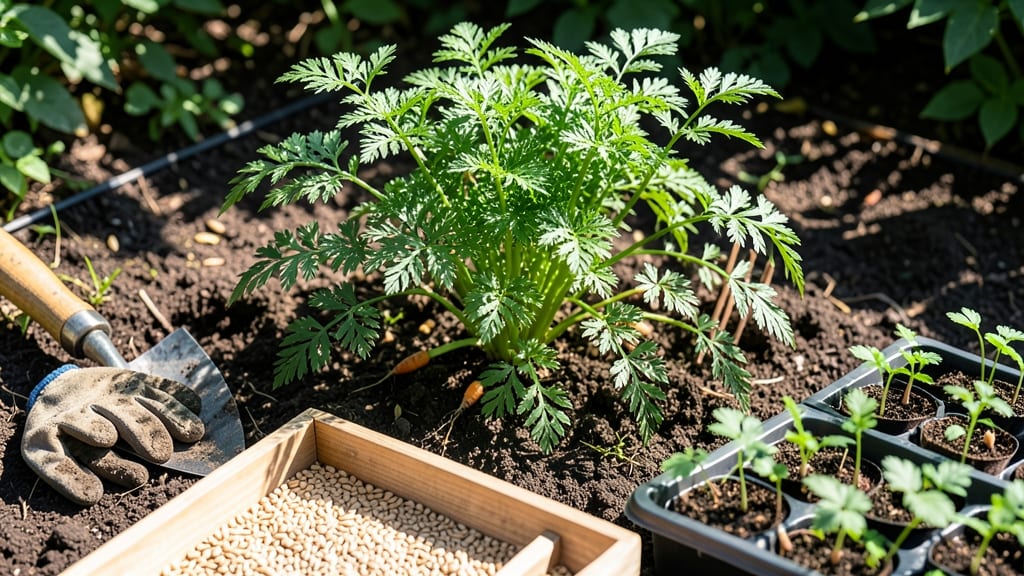
Planting carrots at the wrong time in spring can leave you with forked, bitter roots—or worse, no harvest at all. The secret to growing those perfectly straight, sweet 🥕 lies in timing it right, not just by the calendar but by the moon phases and your local frost dates.
If you're in USDA Zone 6a (like me), your window opens 2-4 weeks before your last frost date, typically mid-March to early April. But here's the catch: planting too early in cold soil means slow germination, while waiting too long risks bolting before you even harvest.
Let me show you exactly when to sow for the best results.
You'll discover how to align your planting with the waning moon for straighter roots, prepare soil to prevent forking, and avoid the 3 biggest mistakes that sabotage spring carrots. Trust me, once you master this timing, your garden will thank you with harvests that rival the grocery store—without the chemicals.
Ready to grow carrots that are crisp, sweet, and perfectly shaped? Let's dive into the exact steps to time your planting like a pro, so you can enjoy that first harvest in just 60-80 days. Your taste buds will thank you!
Optimal spring planting dates by US growing zones (moon phases included)
Spring is the perfect time to plant carrots, but timing matters more than you might think. Carrots need warm soil (at least 50°F) and consistent moisture to grow straight and sweet. Planting too early risks frost damage, while waiting too long can lead to bolting or stunted growth.
The best window is 2-4 weeks before your last frost date, but moon phases can fine-tune your schedule for perfect roots.
Your USDA hardiness zone determines your frost-free date, which is the starting point for carrot planting. For example, gardeners in Zone 3 (like Minnesota) should wait until late May, while those in Zone 10 (like Florida) can start as early as January.
Aligning with the waning moon (when the moon is shrinking) boosts root development, ensuring your carrots grow long and straight.
Here’s how to calculate your ideal planting window: check your last frost date (use the USDA Plant Hardiness Zone Map), then count back 2-4 weeks. For northern climates (Zones 3-6), aim for April to early May.
In southern zones (7-10), start in February or March to avoid summer heat stress. Always plant when soil temps reach 50°F—use a soil thermometer to confirm.
For northern gardeners (Zones 3-6), focus on April planting when soil warms to 50°F. Use row covers or cold frames to extend the season if frost lingers. In southern zones (7-10), plant in February to avoid summer bolting—choose short-day varieties like Nantes for heat tolerance.
Always test soil moisture before planting; dry soil causes forked roots.
Moon phases play a surprising role in carrot growth. Plant during the waning moon (after the full moon) to encourage root development. Avoid planting during the full moon or waxing moon, as this can lead to leafy growth over roots.
Check a lunar planting calendar to align your schedule—root crops like carrots thrive when the moon is shrinking, pulling nutrients downward into the soil.
Preparing your soil is just as critical as timing. Carrots need loose, stone-free soil to grow straight. Work in 2-3 inches of compost and avoid heavy clay.
If your soil is rocky, consider growing short varieties like Paris Market or use raised beds for better control. Direct sow seeds—carrots hate transplanting—and space them 1-2 inches apart in rows 12-18 inches apart.
After planting, keep soil consistently moist but not soggy. Water deeply in the morning to encourage root growth and prevent surface crusting, which can stunt seedlings. Mulch with straw or grass clippings to retain moisture and suppress weeds.
Thin seedlings to 2-3 inches apart when they’re 2 inches tall—this prevents competition and ensures straight, pencil-thin carrots.
Watch for common mistakes like planting too deep (seeds need light to germinate) or skipping soil prep (rocks cause forking). If your carrots start to bolt (shoot up flowers), they’ve experienced heat stress—provide shade cloth in summer or opt for fall planting instead.
With the right timing, soil, and moon phase, you’ll harvest sweet, straight carrots in 60-80 days.
Pro tip: For a continuous harvest, make succession plantings every 2 weeks
5 Moon phase secrets to grow straight, pencil-thin carrots
Did you know the moon's phases can transform your carrots from gnarled roots into perfectly straight, pencil-thin beauties? Root vegetables like carrots thrive when planted during the waning moon, when lunar gravity pulls moisture downward into the soil.
This secret practice has been used for centuries by gardeners to encourage deep, unbroken root growth.
For spring planting, aim to sow seeds during the waning crescent or waning gibbous phases—these are the ideal windows for root crops. The moon's gravitational pull during these phases helps direct energy and nutrients toward root development, rather than leafy growth.
Pair this lunar timing with loose, stone-free soil, and you'll create the perfect conditions for flawless carrots.
Plant During Waning Moon Phases
Sow seeds during waning crescent or waning gibbous phases (3-21 days after full moon) for deep root growth and straight shapes. Avoid planting during full moon or waxing phases, which encourage leafy top growth.
Weed During Waning Moon for Stronger Roots
Remove weeds when the moon is waning to reduce competition for nutrients. Weeds pulled during this phase strengthen root crops by redirecting energy to your carrots. Use a hula hoe to avoid disturbing soil structure.
Harvest During Full Moon for Sweetness
Pick carrots at the full moon for peak sweetness and flavor. The moon's gravitational pull increases sugar content in roots. Harvest in the morning after dew has dried to preserve crispness.
To prevent forked carrots, pair your moon-phase planting with companion planting. Avoid planting near dill or parsley, which can cross-pollinate and cause bitter flavors. Instead, interplant with leeks, onions, or rosemary—these companions deter pests like carrot flies while improving soil structure.
One of my favorite tricks for loose soil is to mix in composted manure or aged compost before planting. This creates a stone-free bed that encourages straight roots. Work the compost into the top 12 inches of soil and rake smooth for a flawless seedbed.
Thin seedlings to 2-3 inches apart once they're 2 inches tall to prevent overcrowding.
Remember, the key to pencil-thin carrots is consistency. Combine moon-phase planting, loose soil, and proper spacing, and you'll harvest carrots so straight they'll make your neighbors jealous. Happy gardening! 🥕