
Companion Plants
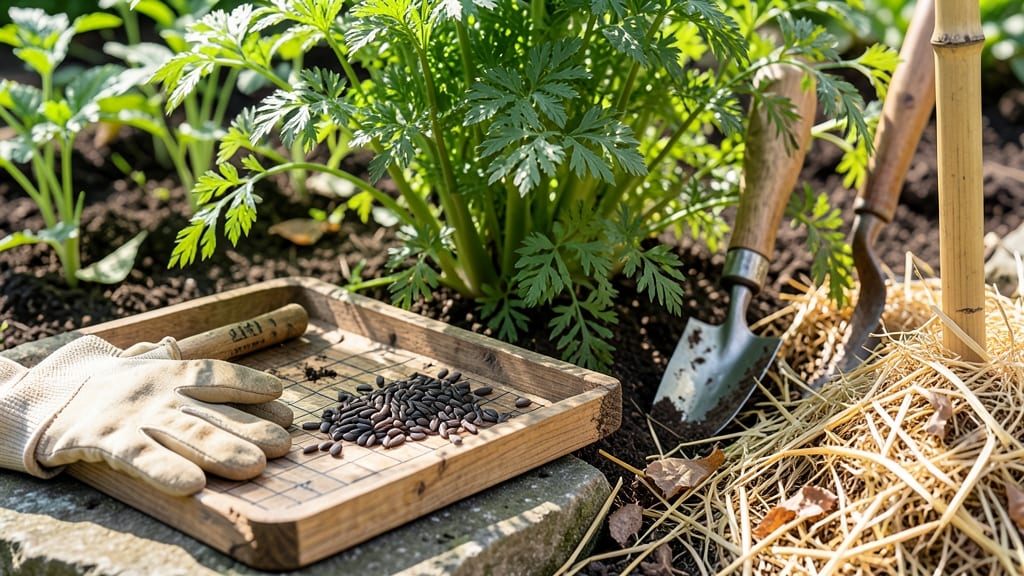
To plant carrots in Zone 6A and guarantee those sweet, crisp roots you crave, timing is everything—and getting it wrong can leave you with bitter, stunted 🥕 or worse, no harvest at all.
Most gardeners in Zone 6A make one of two mistakes: planting too early when the soil is still cold, or waiting until late spring when the days grow too long.
The secret? Start seeds as soon as the soil reaches 50°F, typically around early March, and repeat every 2-3 weeks for a continuous supply.
But here’s the twist: late summer planting works too, if you sow seeds 8-10 weeks before your first frost (usually by early September in 6A). This gives you a second harvest just as the weather cools down.
I’ll break down the exact frost dates, soil prep tips, and cold-hardy varieties that thrive in Zone 6A’s unpredictable springs—so you can stop guessing and start growing like a pro.
Optimal planting windows for carrots in zone 6A (with frost tolerance guide)
If you've ever planted carrots in Zone 6A only to watch them bolt in the heat or rot from early spring frosts, you're not alone.
The key to success lies in understanding your last frost date and selecting varieties that tolerate light frost—like 'Nantes' or 'Chantenay'—while avoiding those prone to heat stress. My garden thrives when I plant carrots during three strategic windows: early spring, late spring, and fall.
Zone 6A's average last frost date falls around April 15, but this can vary by 1-2 weeks depending on microclimates. For example, areas near large bodies of water may experience later frosts, while inland spots often warm up faster.
I always check my local USDA frost calendar or use the Almanac's Frost/Freeze Calculator to pinpoint my exact dates. This precision helps me avoid planting too early when soil stays cold and waterlogged, which can stunt germination.
For early spring planting, I start seeds as soon as the soil reaches 45°F—usually late March to early April. This timing allows carrots to germinate before the spring rush of weeds and pests.
I use row covers or cold frames to protect seedlings from any lingering 28°F frosts, which can damage tender young plants. Varieties like 'Paris Market' are my go-to for early planting because they germinate quickly and tolerate light frost better than most.
My late spring planting happens 4-6 weeks after the last frost, typically in mid-May. This window ensures soil has warmed to 60°F+, which speeds up germination and reduces the risk of damping off.
I avoid planting heat-sensitive varieties like 'Danvers' during this time, opting instead for 'Nantes' or 'Purple Haze', which handle Zone 6A's summer heat better. Succession planting every 2 weeks keeps my harvests steady through July and August.
Fall planting is where I get creative. I aim to sow seeds 8-10 weeks before the first frost, which in Zone 6A is usually mid-September. This timing gives carrots enough time to mature before ground freezes, but not so late that they bolt from shortening daylight.
I focus on cold-hardy varieties like 'Chantenay', which can survive 25°F and even improve in flavor after a light frost. A thick layer of straw mulch insulates the soil and protects roots from freeze-thaw cycles.
🌱 Zone 6A Carrot Planting Windows Comparison
| Planting Window | Ideal Month | Soil Temp | Frost Tolerance | Best Varieties | Harvest Window |
|---|---|---|---|---|---|
| Early Spring | Late March - Early April | 45°F+ | Light frost (28°F) | 'Paris Market', 'Nantes' | June - July |
| Late Spring | Mid-May - Early June | 60°F+ | None (heat-sensitive) | 'Purple Haze', 'Chantenay' | July - August |
| Fall | Mid-September | 50°F+ | Moderate frost (25°F) | 'Chantenay', 'Danvers' | October - November |
⚠️ Pro Tip: Always test soil moisture before planting—carrots need consistent moisture but hate waterlogged soil. Use a soil thermometer to confirm temps!
One mistake I made early in my gardening journey was assuming all carrots could handle Zone 6A's summer heat. I quickly learned that varieties like 'Danvers' bolt and become woody when daytime temps exceed 80°
5 Proven strategies to extend your carrot growing season in zone 6A
Zone 6A’s short growing season can make carrot growing feel like a gamble—but it doesn’t have to be. With the right strategies, you can enjoy fresh, homegrown carrots from early spring through late fall.
The key is succession planting, seasonal protection, and smart soil prep to give your carrots the best possible start.
I’ve grown carrots in Zone 6A for over a decade, and these five techniques have helped me maximize my harvests. Whether you’re dealing with late spring frosts or early fall chills, these methods will help you extend your growing window and keep pests at bay while improving flavor.
Sow seeds in early March, then repeat every 2-3 weeks until mid-July to ensure a continuous harvest. This prevents overcrowding and gives you fresh carrots all season.
Deploy lightweight floating row covers in late February for early starts or in September to protect fall plantings. These covers raise soil temps by 5-8°F and shield seedlings from pests.
Lay black plastic mulch 2 weeks before planting to raise soil temps to 60°F+. Remove it once seeds sprout to avoid overheating. This jumpstarts germination in cold springs.
Interplant carrots with onions or leeks to deter carrot flies. The strong scent of alliums confuses pests while improving flavor. Space them 6 inches apart in rows.
Sow seeds 8-10 weeks before your first frost (early September in 6A). Use cold-hardy varieties like 'Nantes' or 'Paris Market' for sweet roots even after light frosts.
One of my favorite tricks is combining succession planting with row covers. For example, I’ll plant a batch in early March under a cover, then remove it once the soil warms. By mid-April, those seedlings are already thriving while my next batch—planted without covers—gets a head start on growth.
Don’t overlook the power of companion planting either. Carrots paired with rosemary or thyme not only deter pests but also improve their flavor. I’ve noticed my homegrown carrots taste sweeter and more aromatic when grown alongside these herbs—a bonus you won’t get from store-bought!
If you’re new to Zone 6A gardening, start with just two strategies: succession planting and row covers. These alone can double your harvest potential. Once you’re comfortable, experiment with soil warming and companion planting to fine-tune your approach.