
Plants
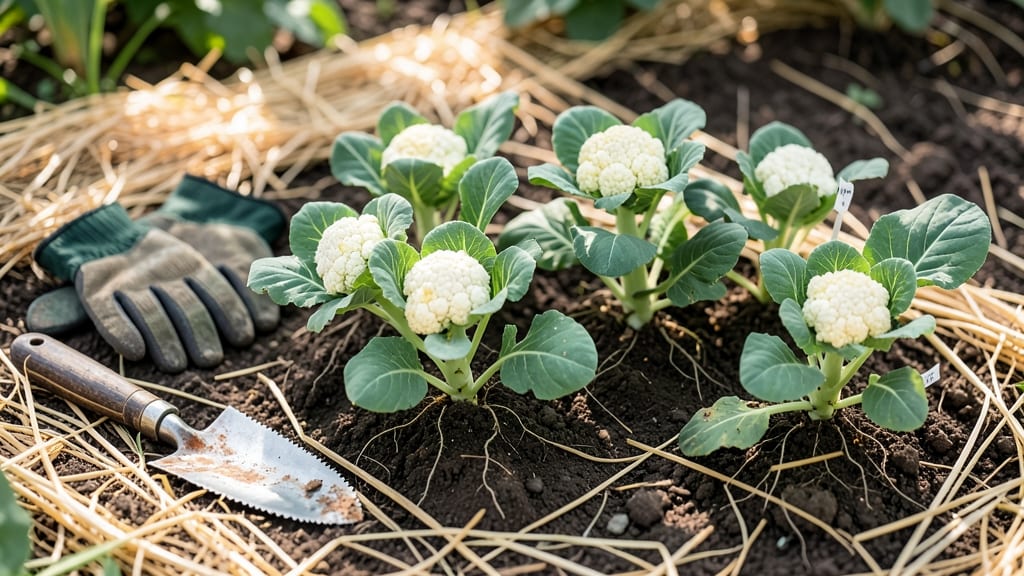
Planting cauliflower in Michigan isn’t just about throwing seeds in the dirt—it’s about mastering the perfect timing to dodge frost, heat stress, and those pesky 50°F soil days that make or break your harvest.
Whether you’re in Detroit’s Zone 6b or Traverse City’s cooler Zone 5b, getting the window right means the difference between a bumper crop of 🥬 and a sad, stunted mess.
Most Michigan gardeners swear by two planting windows: mid-April to early June for a summer harvest or late July to early August for a fall feast. But here’s the catch—your local frost dates (usually mid-April for last frost and mid-October for first frost) dictate everything.
Miss the mark, and you’ll either be racing against spring frosts or watching your plants bolt in summer’s heat.
I’ve grown cauliflower in Michigan for years, and the key isn’t just the calendar—it’s the soil. Start seeds indoors 6-8 weeks before your last frost date, then transplant when soil hits 50°F.
That’s when your seedlings will finally thrive, not just survive. Trust me, skipping this step means smaller heads and more frustration.
In this guide, I’ll break down the exact planting dates for your hardiness zone, how to stretch your season with succession planting, and the 3 biggest mistakes Michigan gardeners make (and how to avoid them). Ready to grow the biggest, most flavorful 🥬 of your life? Let’s get started.
Michigan cauliflower planting dates by hardiness Zone (Zone 5-6)
Michigan’s cool, variable climate makes timing critical for cauliflower success. In USDA Zones 5b-6b, you’ll need two planting windows: early spring and late summer.
The key is avoiding late frosts in spring and heat stress in summer. Let’s break down the exact dates and soil conditions for your zone.
For Zone 5b (northern Michigan), aim for mid-April to early May for spring planting, while Zone 6b (southern Michigan) can start slightly earlier—late March to mid-April.
Both zones share the same late-summer window: late July to early August. This dual approach ensures a spring and fall harvest before Michigan’s first frost.
| Zone | Planting Window | Soil Temp (°F) | Last Frost Risk | Transplant Date |
|---|---|---|---|---|
| 5b | Mid-April to Early May | 50°F+ | High (April 15) | May 1-15 |
| 6b | Late March to Mid-April | 45°F+ | Moderate (April 1) | April 15-May 1 |
| Both Zones | Late July to Early August | 60°F+ | Low (First frost Oct 15) | August 1-15 |
🌱 Note: Start seeds indoors 6-8 weeks before transplanting.
Your soil temperature is the biggest factor after frost dates. Cauliflower seeds won’t germinate below 45°F, but seedlings thrive at 50°F+. Use a soil thermometer to confirm readiness—especially in Zone 5b, where cold snaps linger.
If your soil is too cold, wait or use row covers to warm it faster.
For transplanting, harden off seedlings for 7-10 days before moving them outdoors. In Zone 5b, wait until May 1-15 to avoid frost damage, while Zone 6b can start slightly earlier.
Space plants 18-24 inches apart to prevent disease and ensure head development. Use drip irrigation to keep soil moist without wetting foliage.
Late-summer planting is riskier in Michigan due to heat stress, but it’s worth trying for a fall harvest. Plant heat-tolerant varieties like ‘Snowball Y Improved’ or ‘Purple of Sicily’ and provide afternoon shade during July’s hottest days.
Harvest before first frost (typically mid-October) to enjoy crisp, flavorful heads.
Michigan’s short growing season means you’ll need to plan ahead. Start seeds indoors in February-March for spring planting or June-July for fall. Use grow lights if natural light is limited, and keep seedlings in cool (60-65°F) conditions to prevent bolting.
Avoid overcrowding trays, as this leads to weak, leggy seedlings.
One common mistake is planting too late in spring, leading to small, underdeveloped heads. Another is ignoring soil pH—cauliflower thrives in 6.0-7.0 pH.
Test your soil in early spring and amend with lime if needed. Compost or well-rotted manure adds organic matter, improving moisture retention and nutrient availability.
To maximize yields, consider succession planting. Sow a new batch of seeds every 2 weeks from April to June for a staggered harvest. In Zone 6b, you might even squeeze in a
How to extend your Michigan cauliflower season with successive planting
Michigan’s short growing season doesn’t mean you have to miss out on fresh cauliflower. With successive planting and smart protection strategies, you can enjoy harvests from summer through fall. The key is spacing out plantings every 2-3 weeks to ensure a steady supply of heads.
This method works especially well for cool-season crops like cauliflower, which thrive in Michigan’s moderate temperatures.
Start your first batch of seeds indoors 6-8 weeks before your last frost date (typically mid-April). Transplant seedlings outdoors when soil reaches 50°F and nighttime temperatures stay above 40°F.
For a fall crop, begin your next batch 8 weeks before your first frost (usually late July), so they mature before cold weather arrives.
🌱 Step-by-Step Guide to Successive Planting
- Step 1: Start first batch indoors March 15 for mid-April transplanting (Zone 5-6).
- Step 2: Plant outdoors when soil is 50°F+ and frost risk is low.
- Step 3: Begin next batch every 2-3 weeks until early June.
- Step 4: For fall, start seeds late July for harvest before frost.
- Step 5: Use cold frames or row covers to extend fall harvests.
- Step 6: Plant companion plants like dill or thyme to deter pests.
Protect your plants from late spring frosts or early fall chills with row covers or cold frames. These low-cost solutions can add 2-4 weeks to your growing season, allowing you to harvest larger, healthier heads.
For example, a simple hoop house made from PVC pipes and plastic sheeting can keep temperatures 5-10°F warmer during cold snaps.
Choose fast-maturing varieties like 'Snowball Y Improved' (70 days) or 'Purple of Sicily' (85 days) for Michigan’s climate. These varieties perform well in cool temperatures and can handle light frosts without bolting.
Always select disease-resistant strains to avoid common issues like clubroot or black rot, which thrive in Michigan’s humid summers.
Companion planting is another game-changer for extending your harvest. Pair cauliflower with onions or garlic to repel pests like cabbage worms. Avoid planting near tomatoes or strawberries, as they compete for nutrients and attract similar pests.
Mulch with straw or grass clippings to retain moisture and suppress weeds, which is especially important during Michigan’s dry summer months.
Monitor your plants closely for signs of heat stress or disease. If temperatures rise above 80°F, provide afternoon shade with shade cloth to prevent bolting. Harvest heads as soon as they reach 6-8 inches in diameter to avoid woody texture.
With these techniques, you can enjoy fresh cauliflower from July through October—or even later with proper protection!