
Plants
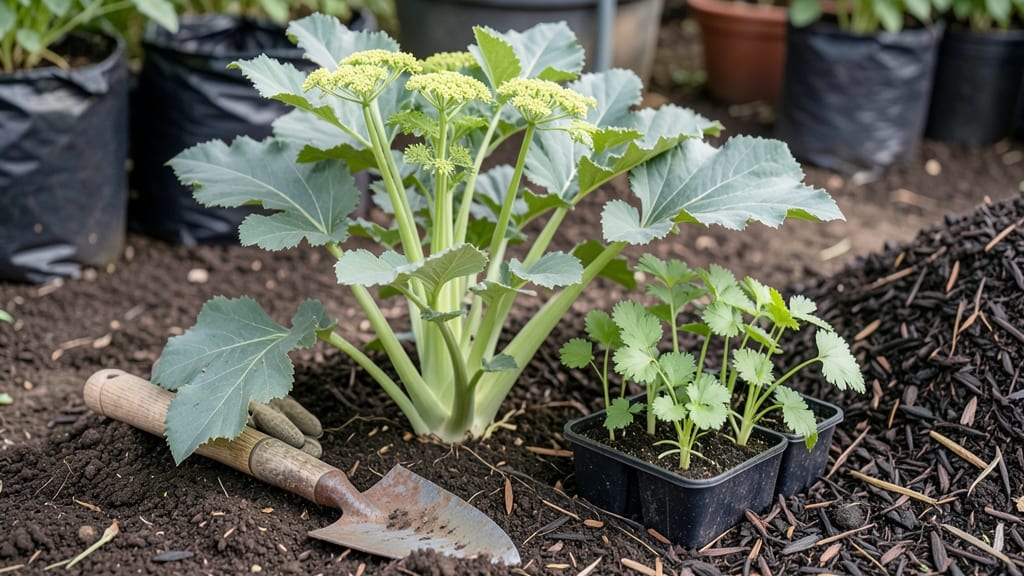
Planting celery in North Carolina might seem tricky with its shifting seasons, but getting the timing right means the difference between crisp, flavorful stalks and bitter disappointment. The key is understanding your local frost dates and soil conditions—because while celery thrives in cooler weather, it wilts under summer’s relentless heat.
If you’ve ever wondered why your celery bolts too early or struggles to mature, the answer lies in when you put those seeds in the ground.
For North Carolina’s 6b-8a zones, the sweet spot is March–April for spring and August–September for fall, aligning with soil temperatures that keep celery happy without inviting pests or heat stress.
I’ll walk you through exactly how to time your plantings—whether you’re starting seeds indoors or sowing directly—plus pro tips to protect your crop from NC’s humidity and pests. Ready to grow celery that’s actually worth harvesting?
Let’s dive into the perfect planting windows, variety choices, and tricks to extend your harvest season so you’re feasting on homegrown 🥬 from June through November.
North Carolina’s celery planting timeline by frost dates & hardiness zones
North Carolina’s USDA zones 7-8 offer two prime windows for growing celery (Apium graveolens): spring and fall. Unlike heat-loving crops, celery thrives in cool weather (50-75°F) and bolts when temperatures exceed 80°F for extended periods.
Understanding your last frost date (typically mid-March in most regions) and first frost date (around mid-November) is critical for timing.
For spring plantings, start seeds indoors 8-10 weeks before your last frost (around January for most of NC) or transplant hardened-off seedlings after soil warms to 50°F.
In USDA zone 7b (western NC), you can push spring plantings slightly later, while zone 8a (coastal areas) may start outdoors as early as late February.
Fall plantings are equally crucial, with seeds sown 8-10 weeks before first frost (around August for most areas). Coastal zone 8a gardeners can extend this to early September, while higher-elevation zone 7b should aim for mid-August to avoid summer heat stress.
Celery planted in late summer benefits from NC’s mild autumn temperatures, producing sweeter, more tender stalks.
Here’s how NC’s microclimates affect timing: Mountain regions (zone 7b) have shorter growing seasons (180 frost-free days), while coastal areas (zone 8a) enjoy 240+ frost-free days. Use this summary table to align your planting with your specific hardiness zone and frost dates.
| Zone & Region | Last Frost Date | Spring Planting Window | Fall Planting Window | Heat Threshold |
|---|---|---|---|---|
| Zone 7b (Mountains) | April 15 | March 1 - April 15 (indoors) / April 15 (outdoors) | August 1 - September 1 | 78°F (bolting risk) |
| Zone 7a (Piedmont) | March 25 | February 15 - March 30 (indoors) / March 25 (outdoors) | August 10 - August 30 | 80°F (bolting risk) |
| Zone 8a (Coastal) | March 10 | January 15 - February 28 (indoors) / February 15 (outdoors) | August 15 - September 15 | 82°F (bolting risk) |
| Key: Plant transplants after soil reaches 50°F; avoid summer heat (>80°F). | ||||
In USDA zone 7b (e.g., Asheville), your spring celery should be in the ground by April 15 to avoid summer bolting. Use shade cloth (30-50%) if temperatures climb above 78°F during May-June. For fall harvests, prioritize August sowings to ensure maturity before November’s first frost.
Coastal zone 8a gardeners (e.g., Wilmington) have more flexibility. Start spring seeds indoors in January and transplant by mid-February, then repeat for fall plantings in mid-August. The longer growing season allows for two full harvests—one in June and another in November—if you time it right.
Pro tip: Use black plastic mulch to warm soil faster in spring or straw mulch to retain moisture during fall’s cooler temps. Both tricks help extend your planting window by 1-2 weeks in marginal zones. Pair celery with companion plants like parsley or onions to deter pests and improve flavor.
Remember, celery’s heat sensitivity is its biggest challenge in NC. If your July temperatures regularly hit 90°F+, opt for fall-only plantings or choose heat-tolerant varieties like ‘Tetra’ or ‘Golden Self-Blanching’, which handle 85°F better than standard types.
Monitor your plants closely during peak summer—wilting leaves often signal heat stress, not drought.
By aligning your planting dates with NC’s frost-free window and zone-specific thresholds, you’ll avoid the two biggest celery pitfalls: frost damage and bitter, woody stalks from heat. With the right timing, you’ll enjoy crisp, homegrown celery straight from your garden—no store-bought blandness allowed! 🥬
Best celery varieties for North Carolina’s climate & how to time them
North Carolina’s humid summers and mild winters create a tricky balance for growing celery. The key is choosing heat-tolerant varieties and planting at the right time to avoid bolting or bitter stalks. Tetra celery and golden self-blanching varieties thrive here, while traditional stalk celery struggles with NC’s heat.
Let’s break down the best options and their perfect planting windows.
For spring harvests, start seeds indoors 8-10 weeks before your last frost date (typically mid-March in most of NC). Transplant seedlings outdoors when soil reaches 50°F (10°C), usually by late March or early April.
This timing ensures you harvest before summer’s oppressive heat sets in. Fall plantings should begin 8-10 weeks before first frost (around mid-August), with transplants going in by late August.
🥬 Celery Varieties for NC: Planting Timing Pros & Cons
✅ Pros
- Tetra Celery: Compact, heat-tolerant, great for containers (ideal for NC’s summers)
- Golden Self-Blanching: No blanching needed, sweeter flavor, bolting-resistant
- Spring Planting: Harvest before July heat (avoids bitter taste)
- Fall Planting: Extends harvest into October-November (cooler temps)
❌ Cons
- Stalk Celery: Struggles in NC’s heat (bolts quickly)
- Late Spring Planting: Risk of bitter stalks if temps exceed 85°F (29°C)
- Poor Drainage: NC’s clay soil can cause root rot if not amended
- Pests: Celery moths and aphids thrive in NC’s humidity
If you’re growing tetra celery, aim for a spring harvest in June-July or a fall harvest in October-November. This variety’s compact size makes it perfect for NC’s hot, humid summers, as it matures faster than traditional types.
For golden self-blanching celery, plant seeds indoors by late February for spring or direct-sow in August for fall. Its sweeter flavor and disease resistance make it a standout in NC gardens.
Avoid planting stalk celery in NC’s summer heat—it’s prone to bolting and bitterness. Instead, opt for heat-tolerant varieties like ‘Utah’ or ‘Tall Utah’, which handle NC’s climate better. For container gardening, tetra celery is your best bet—it thrives in 5-gallon pots with consistent moisture.
To maximize your harvest, succession plant every 2-3 weeks from March to May for a continuous supply. In fall, plant transplants in August and seeds in September to extend your growing season.
Always choose a sunny, well-draining spot and keep soil consistently moist—NC’s clay soil can be tricky, so amend with compost before planting.
With the right variety timing and care tips, you’ll enjoy crisp, homegrown celery straight from your NC garden. Just remember: spring for cool weather, fall for mild temps, and avoid summer’s heat for the best results. Happy growing! 🌱