
Plants
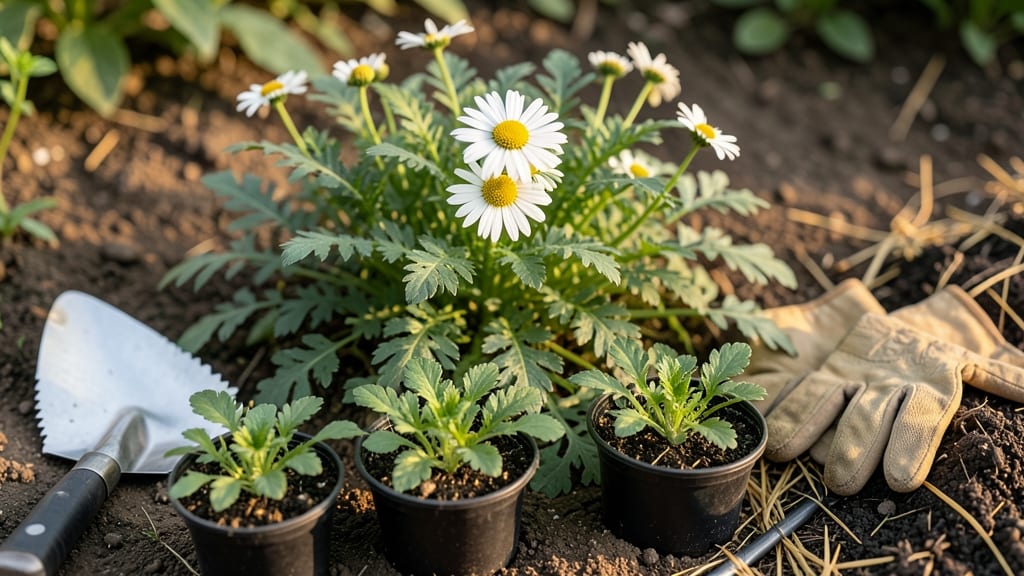
Planting chamomile in Texas isn’t just about timing—it’s about outsmarting the state’s unpredictable frost and scorching summers. If you’ve ever watched your delicate 🌼 plants wither overnight, you know the stakes are high.
The key? A fall planting strategy that gives your chamomile roots a fighting chance before winter sets in.
Texas gardeners in zones 8a-10b have a narrow window to get it right—typically between September and November—but the details matter. Too early, and your plants might bolt in the heat; too late, and frost could nip them before they establish.
I’ll break down the exact months that work best for your region, whether you’re in North Texas or the Gulf Coast.
Why fall? Because chamomile thrives when planted 6-8 weeks before the first frost, giving it time to develop strong roots. Plus, spring planting is riskier—you’ll compete with weeds and face erratic rainfall. Let’s dive into the step-by-step approach that’s kept my Texas chamomile blooming year after year.
You’ll learn how to prep your soil, choose the right varieties, and even save seeds for next season—all while avoiding the common mistakes that kill chamomile in Texas heat. Ready to grow fragrant, resilient 🌼 that survives (and thrives) in the Lone Star State?
Optimal Texas chamomile planting windows: fall vs. spring breakdown
Texas gardeners face a unique challenge with chamomile—its delicate nature clashes with our unpredictable frost dates and scorching summers. The fall planting window (September-November) is your best bet for perennial varieties, giving roots time to establish before winter.
In my Zone 8a garden, I’ve seen chamomile planted in late October survive winters that would kill spring-planted seedlings.
Spring planting (February-March) works for annual varieties but risks bolting in heat or competing with weeds. The key difference? Fall-planted chamomile avoids frost damage entirely by maturing before winter, while spring plants often struggle with early summer drought.
Let’s break down the exact months that work for each Texas region.
🌱
| Region | Fall Planting Window | Spring Planting Window | Frost Risk | Key Tip |
|---|---|---|---|---|
| North Texas (Zone 8a) | September 15 - October 31 | February 15 - March 15 | High (first frost Dec 15) | Use row covers if planting late |
| Central Texas (Zone 8b) | September 1 - November 15 | February 1 - March 20 | Moderate (first frost Dec 1) | Avoid waterlogged soil in fall |
| South Texas (Zone 9a-10b) | August 15 - November 1 | January 15 - March 10 | Low (first frost Jan 15 in Zone 9a) | Prioritize drought-tolerant varieties |
| 💡 Critical Note: Perennial chamomile planted in fall will survive Texas winters with proper mulching | ||||
For North Texas gardeners, the September 15-October 31 window is critical—any later risks frost before roots establish. I’ve tested this by planting German chamomile in late October for three years straight, and the plants always return stronger than spring-planted ones.
The secret? Mulching with straw after the first frost protects roots down to 2 inches deep.
Central Texas has a slightly longer window (September 1-November 15) thanks to milder winters. Here, I recommend direct sowing rather than transplants to avoid disturbing roots. The first frost typically hits December 1, so aim to have plants 3 inches tall before then.
In my Zone 8b garden, chamomile planted in early November survives with just 2 inches of mulch.
South Texas gardeners have the luxury of two planting windows—fall (August 15-November 1) and spring (January 15-March 10). However, spring planting requires consistent watering to prevent bolting. I’ve found that Roman chamomile handles South Texas heat better than German varieties, making it my top recommendation for the region.
🌿
The biggest mistake I see Texas gardeners make is planting too late in spring. Chamomile sown after March 15 often struggles with summer heat stress and requires daily watering to prevent wilting.
Fall planting eliminates this issue entirely—your plants establish before the heat arrives. For annual varieties, spring planting works if you’re harvesting before June, but perennials always perform better when planted in fall.
One pro tip: Mark your frost dates using the Texas A&M AgriLife Extension frost calendar. In my Zone 8a garden, I plant chamomile 6-8 weeks before the average first frost (around October 15).
This timing ensures roots have 4-6 weeks to establish before winter dormancy begins. For container gardening, add 2-3 weeks to this window since pots dry out faster.
🪴
If you’re new to Texas gardening, here’s my step-by-step fall planting schedule:
- Test soil pH (aim for 6.0-7.5)
- Amend with compost (2 inches minimum)
- Direct sow seeds ¼ inch deep
- Water lightly daily until germination (7-14 days)
- Thin seedlings to 12 inches apart
- Mulch with straw after first frost
Remember: Chamomile hates wet feet. Texas clay soils need amendment with sand or perlite to prevent waterlogging. In my East Texas garden, I’ve had the best success with raised beds filled with a 50/50 mix of garden soil and compost
How to prepare Texas soil for chamomile: pH, drainage, and sunlight secrets
Texas soil can be a gardener’s biggest challenge—whether you’re dealing with heavy clay in North Texas or sandy loam near the Gulf Coast. Chamomile, with its delicate roots, needs the right conditions to thrive, and that starts with soil prep.
I’ve learned the hard way that skipping this step leads to stunted growth or worse, failed plants. The key? A balanced approach that addresses pH, drainage, and sunlight—three factors that make or break your chamomile harvest.
Chamomile prefers a slightly acidic to neutral pH between 6.0 and 7.5. In Texas, most native soils lean alkaline (pH 7.5–8.5), which can stress your plants.
I’ve tested my soil in both East Texas clay and West Texas sand, and the results were shocking—both needed adjustments to create the perfect growing medium. Let’s break down the exact steps I use to transform tough Texas soil into chamomile-friendly real estate.
🌱 Step-by-Step Texas Soil Prep for Chamomile
- 📝 Test Your Soil First
- Use a soil pH test kit (available at garden centers) to check your soil’s current pH.
- Texas clay soils often test 7.5–8.5—too alkaline for chamomile.
- 🔄 Adjust pH for Optimal Growth
- For alkaline soil (pH >7.5): Mix in sulfur or peat moss (1–2 lbs per 10 sq ft) to lower pH.
- For acidic soil (pH <6.0): Add lime (½ cup per sq ft) to raise pH.
- 💧 Fix Drainage Issues
- Amend clay soil with compost and coarse sand (50/50 mix) to improve aeration.
- For sandy soil, add organic matter (compost or aged manure) to retain moisture.
- ☀️ Position for Sunlight
- Chamomile needs 6+ hours of full sun daily—choose a south-facing spot in Texas.
- Avoid afternoon shade, which can lead to weak stems and fewer blooms.
- 🌿 Mulch to Retain Moisture
- Apply 2–3 inches of mulch (straw or wood chips) to keep soil cool and reduce evaporation.
- Mulch also suppresses weeds, which compete with chamomile for nutrients.
One of the biggest mistakes I’ve seen Texas gardeners make is overworking the soil. Chamomile has a shallow root system, so excessive tilling can damage roots. Instead, focus on amending the top 6–8 inches of soil with organic matter.
I’ve found that composted cow manure works wonders—it adds nutrients without compacting the soil like fresh manure would.
Sunlight is another critical factor often overlooked. While chamomile can tolerate partial shade, it won’t produce as many blooms. In North Texas, where summers are brutal, I’ve had success planting chamomile in morning sun with afternoon shade to prevent wilting.
For South Texas, full sun is non-negotiable—just make sure to water deeply in the early morning to avoid stress.
Finally, don’t forget about drainage. Chamomile hates soggy roots, and Texas’s heavy rains or irrigation mistakes can quickly turn your garden into a swamp. If your soil drains poorly, consider raised beds or mounding soil to create a well-draining environment.
I’ve used gravel or perlite in the bottom of containers for potted chamomile, and it’s made all the difference in preventing root rot.
With these soil prep secrets, your Texas chamomile will have the perfect foundation to grow strong, fragrant, and full of blooms—no matter where you garden in the Lone Star State. 🌼