
Plants
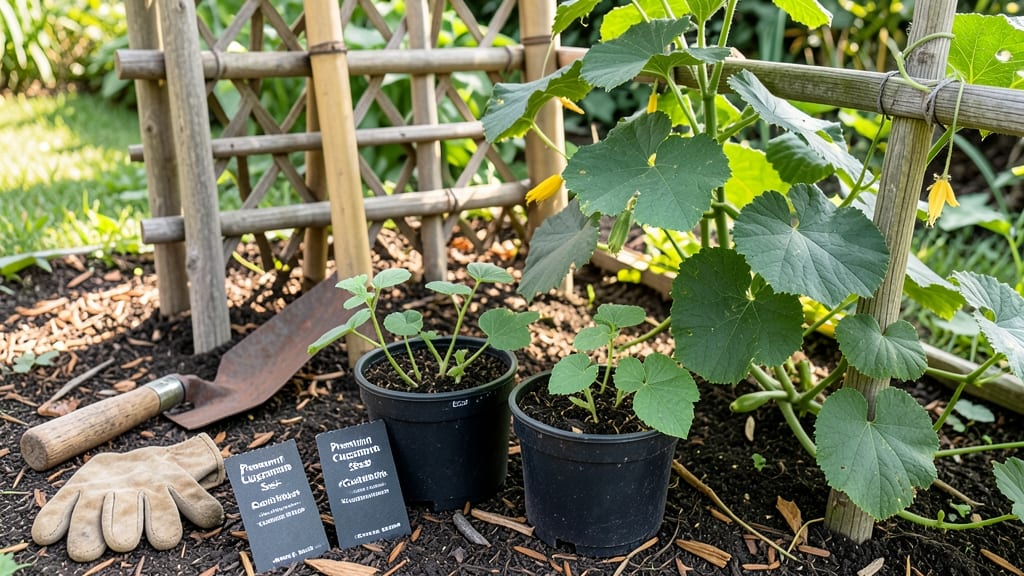
Planting cucumbers in North Texas at the wrong time can mean the difference between a bountiful harvest and a total flop—especially when late frosts or scorching summer heat are lurking around every corner.
The perfect window for your 🥒 plants depends on whether you're aiming for a spring or fall crop, and skipping these timing cues could leave you with wilted vines or stunted fruit.
Most gardeners in USDA Zone 8a know the drill: wait until mid-March to early April for spring plantings, but that’s only half the battle.
The real secret lies in soil temperature—cucumbers won’t germinate properly until the ground hits at least 60°F, and black plastic mulch can shave weeks off that wait.
For fall harvests, late July to early August is your best bet, but timing it right means avoiding the brutal August heat that can stress young plants.
What if you’re new to growing cucumbers in this region? I’ll walk you through the exact dates for your specific microclimate—whether you’re in Dallas, Lubbock, or East Texas—plus pro tips for starting seeds indoors vs. direct sowing.
You’ll also learn how to adjust for heat-sensitive varieties and when to pull out those shade cloths to keep your plants thriving.
By the end, you’ll have a clear, foolproof schedule that accounts for North Texas’ quirks, so you can enjoy fresh cucumbers from spring to fall without the guesswork. Let’s get those seeds in the ground at the right time!
North Texas cucumber planting dates by microclimate zone: avoid frost & heat stress
North Texas spans USDA Zones 7b-8a, creating dramatic differences in last frost dates and summer heat intensity. In Dallas-Fort Worth, cucumbers thrive from April to October, while Amarillo's shorter growing season demands earlier starts.
The key? Planting when soil temps hit 60°F and avoiding late frosts that can kill tender seedlings overnight.
For East Texas (like Tyler), the window opens 2-3 weeks earlier than West Texas due to milder winters. Meanwhile, Lubbock gardeners must rush to beat the 100°F+ summers that cause cucumbers to bolt prematurely. Heat-tolerant varieties like 'Southern Sweet 100' or 'Straight Eight' are non-negotiable in these zones.
Here’s your zone-by-zone breakdown with exact planting dates, soil prep tips, and variety recommendations to dodge both frost and heat stress:
| Zone | Avg Last Frost | Spring Planting Window | Fall Planting Window | Soil Temp Requirement | Heat-Tolerant Variety |
|---|---|---|---|---|---|
| Dallas-Fort Worth (Zone 8a) | March 15 | Mid-April to early May | Late July to early August | 60°F+ | 'Straight Eight' |
| East Texas (Zone 8a) | March 1 | Late March to April | Mid-July to late July | 55°F+ | 'Lemon Cucumber' |
| Lubbock (Zone 7b) | March 22 | Late April to May | Early August | 65°F+ | 'Southern Sweet 100' |
| Amarillo (Zone 7a) | April 1 | Early May | Late July | 70°F+ | 'Bush Champion' |
Notice how East Texas can start 6 weeks earlier than Amarillo? That’s why I recommend soil thermometers—they’re the only way to confirm your 60°F soil temp threshold.
Bury one 2 inches deep before planting; if it reads lower, wait or use black plastic mulch to warm the soil faster.
For fall planting, aim to harvest before first frost (Nov 15 in most zones). In Dallas-Fort Worth, that means starting seeds by late July for a September harvest.
Use shade cloth (30-50%) in August to protect seedlings from 100°F+ heat, which can scorch young plants before they establish roots.
Pro tip: Bush varieties like 'Bush Champion' save space and handle heat better than vining types. They’re perfect for container growing in urban areas or small yards. Just ensure containers are at least 12 inches deep and use well-draining potting mix to prevent root rot in North Texas’ intense summers.
If you’re in West Texas (Lubbock/Amarillo), consider succession planting every 2 weeks from May to July. This stretches your harvest and reduces the risk of bolting (when plants flower too quickly due to heat stress).
Pair with drip irrigation to keep soil consistently moist without wetting leaves—fungal diseases like powdery mildew thrive in North Texas’ humid summers.
Finally, test your soil pH before planting. Cucumbers prefer 6.0-6.8 pH. If your soil tests higher, amend with sulfur or peat moss; if lower, add lime.
A $20 soil test kit from your local extension office is worth it—poor soil pH can reduce yields by 50% or more.
With these microclimate-specific dates and variety picks, you’ll avoid the two
How to Extend your cucumber season in North Texas: succession planting & shade strategies
North Texas summers can turn cucumbers into sad, wilted relics if you don’t plan ahead. The key to a long harvest window is succession planting—staggering your plantings to keep fresh vines producing while others rest.
I’ve learned that heat-tolerant varieties and shade strategies are non-negotiable in our 100°F+ summers. Even in cooler months, a cold frame can push your season into fall.
For me, the secret lies in three strategic plantings: one in early spring, another in mid-summer, and a final push in late summer for fall harvests. Each requires different tactics—like shade cloth in July or row covers in September—to protect tender vines.
Let’s break down how to make this work in your garden, no matter where you are in North Texas.
5 Actionable Tips for Year-Round Cucumbers
- 🌱 Plant in 3 waves: Start first seeds in early April, second batch in late June, and third in early August for fall harvests.
- ☀️ Use 30% shade cloth in peak summer (July-August) to prevent heat stress and bitter fruit.
- 🌡️ Wait for soil temps of 60°F+—use a soil thermometer to avoid slow germination in spring.
- 🌿 Choose heat-tolerant varieties like 'Straight Eight' or 'Armenian' for summer plantings—they handle 95°F+ better.
- 🍂 Extend fall harvests with a cold frame or row cover until first frost (mid-November in most zones).
Succession planting isn’t just about timing—it’s about soil prep too. Before each planting, amend your beds with compost and aged manure to replenish nutrients.
I’ve found that bush varieties (like 'Bush Champion') work better in small spaces or containers, while vining types need trellises to save space and improve airflow.
In East Texas, where humidity is higher, I space plants 12-18 inches apart and use drip irrigation to avoid fungal diseases like powdery mildew. In West Texas, where water is scarce, I mulch heavily with straw to retain moisture and reduce evaporation.
Both strategies keep cucumbers thriving despite our extreme conditions.
For fall harvests, I swear by row covers—they protect young plants from early frosts while still allowing sunlight. Start covers in late September and remove them during the day if temperatures rise above 70°F. This gives me 4-6 more weeks of harvests before winter sets in.
Don’t forget to harvest regularly—overripe cucumbers signal the plant to stop producing. I pick mine every 2-3 days in peak season, and my vines keep yielding until frost. With these strategies, you can enjoy fresh cucumbers from May through October—or even longer with a little extra care!