
Plants
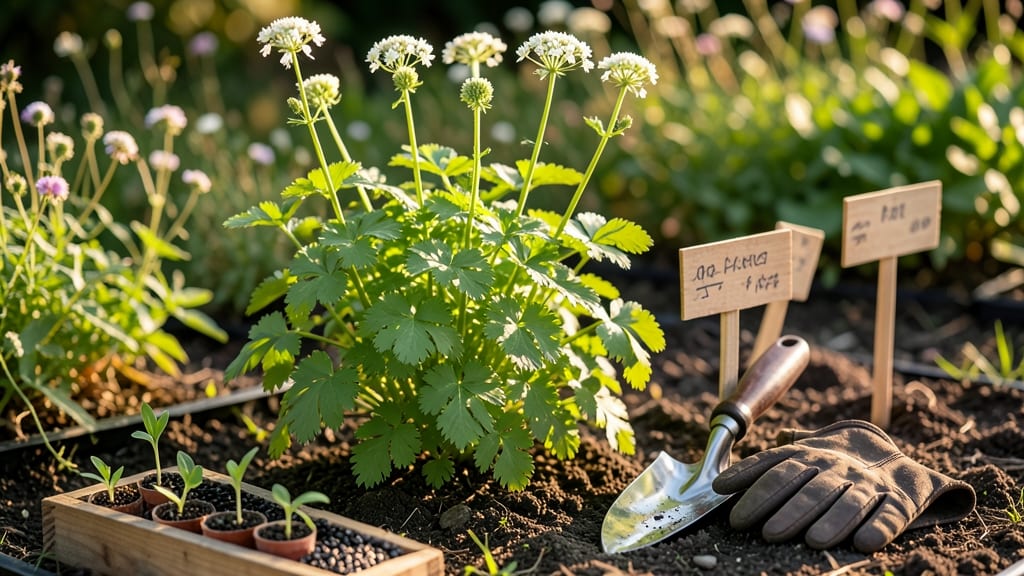
Planting cilantro in Missouri at the wrong time means bitter leaves or wasted effort—especially when summer heat turns your 🌱 cilantro into a bolted disappointment. The secret to fresh, flavorful harvests lies in timing your plantings precisely, whether you're in St. Louis, Kansas City, or rural areas.
Missouri’s USDA zones 5b-6b give you two prime windows: early spring (March-April) and late summer (August-September). Get it wrong, and you’ll battle bolting or stunted growth. But with the right deadlines, you can enjoy May-June and October-November harvests without the stress.
I’ll break down the exact planting schedule for your region, including heat-tolerant varieties and shade tricks to outsmart Missouri’s summer. No more guessing—just zero-bolt harvests all season long.
Ready to turn your garden into a cilantro powerhouse? Let’s dive into the foolproof timing that works for Missouri’s climate.
Missouri cilantro planting calendar: exact spring & fall deadlines by region
Missouri’s USDA hardiness zones 5b-6b create distinct microclimates where cilantro thrives in cool seasons but bolts quickly in summer heat. The key to success? Planting within 30-day windows before last frost or 60 days before first frost, adjusted by region.
For example, St. Louis (zone 6a) has a longer growing season than Kansas City (zone 5b), so timing shifts by 2-3 weeks.
Spring plantings should begin 4-6 weeks before last frost (typically March 1-April 15), while fall plantings must start 8-10 weeks before first frost (usually August 1-September 15). Heat-tolerant varieties like 'Santo' or 'Calypso' can extend your window by 10-14 days in hotter zones like Columbia (zone 6b).
Here’s your region-specific planting calendar with exact deadlines to avoid bolting and maximize harvests:
| Region | USDA Zone | Spring Planting Window | Fall Planting Window | Heat-Tolerant Variety |
|---|---|---|---|---|
| St. Louis | 6a | March 15 – April 30 | August 1 – September 15 | 'Santo' |
| Kansas City | 5b | April 1 – May 15 | July 15 – August 30 | 'Calypso' |
| Columbia | 6b | March 1 – April 20 | August 10 – September 25 | 'Slow Bolt' |
| Southeast MO (e.g., Poplar Bluff) | 7a | February 15 – March 30 | September 1 – October 10 | 'Leisure' |
| Northwest MO (e.g., Kirksville) | 5a | April 15 – May 10 | July 1 – August 15 | 'Criollo' |
For spring plantings, aim to sow seeds when soil temperatures stay below 70°F—any warmer, and cilantro will bolt within 2-3 weeks. Use row covers or partial shade cloth to delay heat stress in zones like Columbia (6b), where April temps can spike unexpectedly.
In St. Louis (6a), I’ve found that starting seeds indoors in late February and transplanting after last frost gives a 3-week head start on the growing season.
Fall is trickier because Missouri’s humidity and late-summer heat can still trigger bolting. To beat this, plant heat-tolerant varieties like 'Slow Bolt' and water deeply every 2-3 days to keep roots cool. In Kansas City (5b), I recommend sowing late July for a September-October harvest before first frost.
For southern Missouri (zone 7a), extend your window by planting early September—just be ready to harvest by mid-October.
Missouri’s clay-heavy soils can worsen bolting by causing uneven moisture. Amend beds with 2-3 inches of compost and mulch with straw or shredded leaves to maintain even soil temps.
I’ve also had success using drip irrigation on fall plantings to avoid overhead watering, which can spread fungal diseases in Missouri’s damp autumns.
Pro tip: Mark your calendar for succession plantings every 2 weeks in spring and fall. This ensures a continuous harvest and reduces the risk of bolting from overcrowding.
For example, in St. Louis (6a), I plant 3 batches in spring (March 15, April 1, April 15) and 2 in fall (August 1, August 15) for a 6-month supply of fresh cilantro.
Remember, bolting is preventable with the right timing. If you miss the spring window, don’t despair—fall cilantro is just as flavorful and often more productive in Missouri’s cooler autumns. Just be ready to harvest aggressively before frost hits!
🌱
How to extend cilantro harvests in Missouri’s heat: shade & succession planting hacks
Missouri’s summer heat can turn your cilantro into bitter, bolted stalks before you even taste it. But with the right shade strategies and succession planting, you can enjoy fresh leaves all season.
The key is cooling the soil and staggering plantings to match Missouri’s USDA zones 5b-6b climate. I’ve grown cilantro in St. Louis and Kansas City for years—here’s what works.
Cilantro thrives in cool weather but wilts under direct midday sun. Even Missouri’s partial shade (4-6 hours of sunlight) can prevent bolting. Pair that with succession planting every 2-3 weeks, and you’ll have a continuous harvest.
The trick? Plant in late summer (August-September) when temperatures start dropping, and use dappled shade from taller plants or shade cloth.
Here’s my 3-step system to beat Missouri’s heat and maximize your harvest:
Don’t forget to harvest regularly—pinching off outer leaves encourages bushier growth. If your cilantro starts bolting (sending up flower stalks), yank the whole plant and replant new seeds. In my garden, this 3-step method has extended my cilantro harvest by 4-6 weeks compared to single plantings.
For extra heat resistance, try heat-tolerant varieties like ‘Santo’ or ‘Calypso’. They handle warmer soils better than standard cilantro. Pair them with drip irrigation (water at soil level, not leaves) to avoid fungal issues. With these hacks, you’ll enjoy fresh cilantro all season—no bitter surprises!
Pro tip: Save seeds from your best plants! Let a few stalks bolt, dry the seeds, and store them for next year. Missouri’s fall harvests are the sweetest—just wait until October when temps dip below 80°F. Happy growing!