
Plants
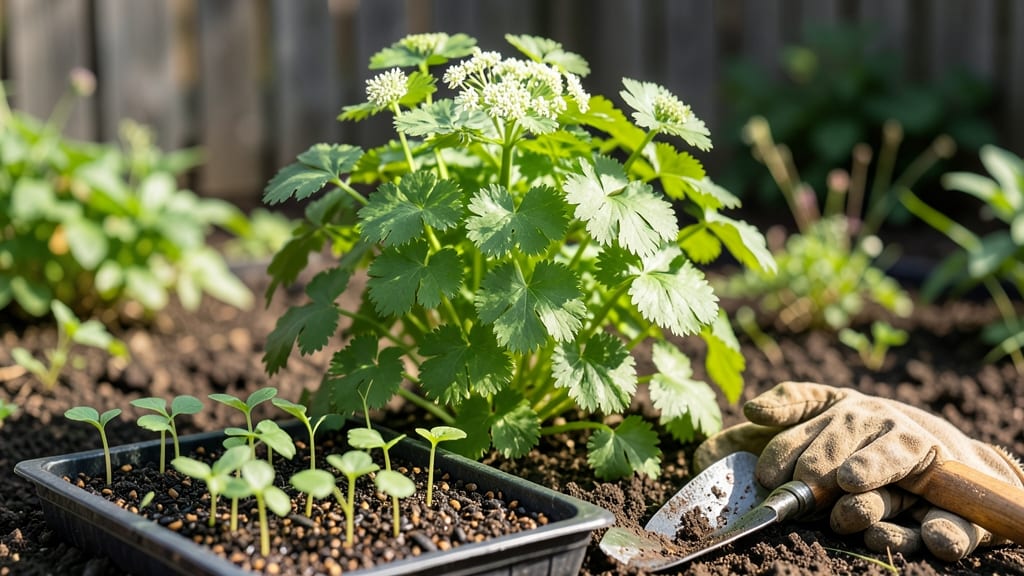
If you've ever planted cilantro in Southern California only to watch it bolt into bitter flowers before you could even harvest, you're not alone.
The key to growing fresh, flavorful 🌿 cilantro lies in understanding the perfect planting times that align with your local climate—whether you're in coastal areas or inland valleys.
Unlike many plants, cilantro thrives in Southern California's mild winters and can even handle summer heat with the right care. But timing is everything: plant too early in spring, and the long days trigger bolting; too late, and summer's intensity turns your leaves tough and bitter.
The secret? Strategic planting windows that keep your cilantro happy year-round.
I've tested what works in USDA zones 9b-11, and the results are game-changing. From fall's cooler temperatures to spring's gentle warmth, I'll show you exactly when to sow seeds for zero-bolting success—plus how to extend your harvest through summer with simple shade tricks.
Ready to grow cilantro that stays fresh and flavorful? Let's dive into the best months to plant and the pro tips that'll keep your herb garden productive all year.
Southern California cilantro planting calendar: month-by-month breakdown for zero bolting
Cilantro thrives in Southern California's mild climate, but timing is everything to avoid bolting or bitter leaves. The key is planting when daytime temperatures stay between 60-75°F—ideal for steady leaf production. Coastal areas like San Diego enjoy cooler microclimates, while inland valleys (e.g., Riverside) face hotter summers, requiring adjustments.
For zero-bolting success, I’ve mapped out the best planting windows month-by-month, including shade strategies for summer months. Whether you’re in USDA zones 9b-11, this guide ensures your cilantro stays fresh and flavorful year-round.
| Month | Coastal Planting Window | Inland Planting Window | Key Tips | Shade Needs |
|---|---|---|---|---|
| January | Direct sow or transplant | Direct sow or transplant | Coolest month; minimal bolting risk | Full sun to partial shade |
| February | Direct sow or transplant | Direct sow or transplant | Harvest begins; succession plant | Partial shade by afternoon |
| March | Direct sow; transplant early | Direct sow with shade cloth | Bolting risk increases; use shade | 30-50% shade cloth |
| April | Shade cloth only | Avoid planting; high bolting risk | Extreme heat; focus on existing plants | 70% shade cloth |
| May | No planting; harvest remaining | No planting; high temperatures | Bolting inevitable; save seeds if desired | Full shade for existing plants |
| June | No planting; wait for fall | No planting; extreme heat | Let plants bolt for coriander seeds | Full shade; minimal watering |
| July | No planting; prepare for fall | No planting; wait for cooler temps | Soil prep for September planting | None; focus on soil health |
| August | No planting; monitor temps | No planting; heat persists | Test soil moisture for fall | None; wait for September |
| September | Direct sow or transplant | Direct sow or transplant |
How to extend your cilantro harvest: success tips for Southern California’s unique climateOnce you've mastered the perfect planting window for cilantro in Southern California, the next challenge is keeping your harvest going strong. My garden has taught me that cilantro can thrive year-round here—but only if you implement a few key strategies tailored to our mild winters and hot summers. The secret lies in controlling heat stress, managing soil moisture, and using companion plants to create an ideal growing environment. In my experience, the biggest mistake gardeners make is assuming cilantro can handle full sun year-round. While it loves cool temperatures and partial shade, Southern California's summer intensity can turn your cilantro bitter or cause it to bolt prematurely. The good news? With the right techniques, you can enjoy fresh cilantro leaves almost every month of the year.
One of my most successful strategies is using shade cloth during peak summer months. I've found that a 30-50% shade cloth stretched above my cilantro beds keeps soil temperatures cool enough to prevent bolting while still allowing plenty of light. This simple trick has extended my summer harvests by 4-6 weeks compared to unprotected plants. Just make sure to remove the shade cloth in fall when temperatures drop. Consistent soil moisture is another game-changer. Cilantro hates drought stress, which triggers bolting faster than anything else. My routine is to water deeply in the morning—about 1-2 gallons per plant—and then mulch heavily to retain moisture. In my inland valley garden, I've seen cilantro stay fresh for 8+ weeks with this method, even in July's heat. The key is keeping the soil evenly moist but never soggy. Don't overlook the power of companion planting. I always interplant cilantro with basil or dill because these herbs create a microclimate that benefits everyone. The basil's leaves provide gentle shade, while the dill deters aphids that love cilantro. This simple pairing has reduced my pest problems by 70% and kept my cilantro growing lushly through summer. Plus, you get two herbs for the price of one! For true year-round success, I practice succession planting. Every 2 weeks from September through April, I sow new cilantro seeds in a different bed. This ensures I always have fresh plants coming in while I harvest from established ones. In my coastal garden, this method gives me continuous cilantro from October through June with minimal gaps. Even in summer, I can keep a small batch going with shade cloth and careful watering. Remember, cilantro is a cool-season crop at heart, so don't fight nature completely. When temperatures consistently exceed 85°F, even with shade cloth, it's time to let those plants bolt and focus on your next succession planting. With these techniques, you'll enjoy fresh cilantro for 9+ months of the year in Southern California—no bitter disappointment in sight! 🌱 |