
Companion Plants
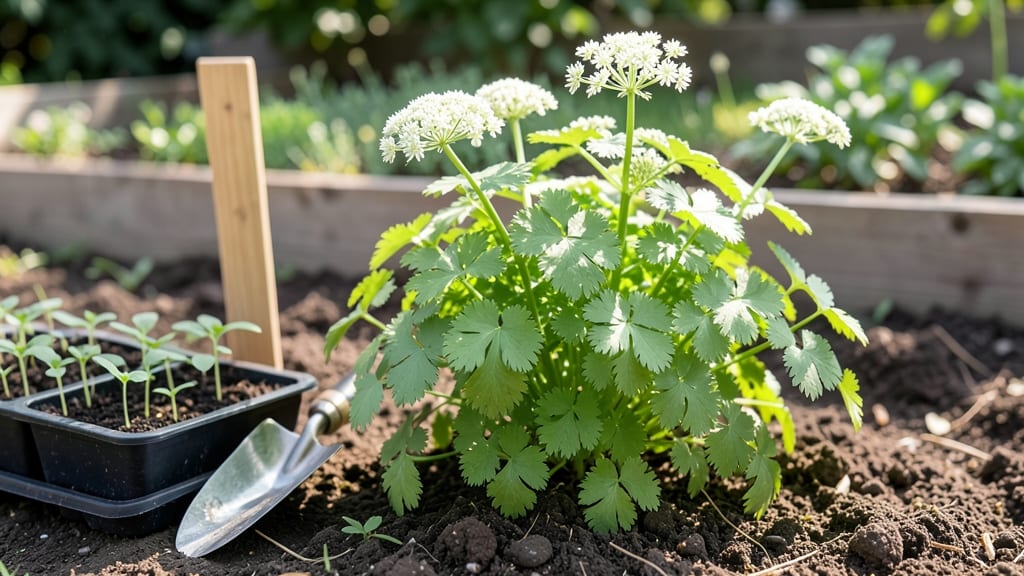
Planting cilantro in Oklahoma’s 6b-7a climate feels like walking a tightrope—get the timing wrong, and you’re left with bitter, bolting 🌿 that’s more trouble than it’s worth. The key to fresh, flavorful harvests? Knowing exactly when to sow your seeds for zero regrets.
Oklahoma’s late winter and early fall windows are your best bets, but the devil’s in the details. Skip the summer heat, and you’ll avoid the dreaded bolting that turns your cilantro into a seed factory.
I’ll break down the exact months to plant, plus pro tips to stretch your growing season without the stress.
Whether you’re a first-time gardener or a seasoned green thumb, these strategies will help you harvest lush cilantro twice a year—no bitter surprises included. Let’s dive into the timing that actually works for Oklahoma’s unpredictable weather.
From frost dates to soil temps, I’ll cover everything you need to know to grow cilantro like a local. Ready to skip the guesswork and enjoy fresh herbs all season? Let’s get started.
Best planting windows in Oklahoma: spring vs. fall for cilantro success
Oklahoma’s USDA Zones 6b-7a create a unique challenge for cilantro lovers. The state’s scorching summers and short growing seasons demand precise timing to avoid the dreaded bolting—when cilantro turns bitter and flowers prematurely.
With the right strategy, you can enjoy fresh cilantro in both spring and fall, but the windows are narrow.
Cilantro thrives in cool temperatures (60-75°F) and wilts under Oklahoma’s 100°F+ heat waves. The key is planting when soil temperatures stay below 80°F and days are shorter.
My research shows two ideal windows: early spring and late summer/fall. Let’s break down the exact months and regional differences for northern vs. southern Oklahoma.
Here’s the non-negotiable rule for Oklahoma cilantro success: Never plant during June-August. The heat will cause your plants to bolt within weeks, leaving you with seed pods instead of tender leaves.
Instead, focus on these two 6-8 week windows before and after Oklahoma’s average last frost (March 15) and first frost (November 15).
Northern Oklahoma (e.g., Oklahoma City, Tulsa) has earlier frost dates and cooler summers, giving you a slightly longer spring window. Southern Oklahoma (e.g., Lawton, Altus) experiences hotter springs and later frosts, requiring earlier fall plantings. The table below shows your exact month-by-month planting schedule based on your region.
For spring plantings, start seeds indoors 4-6 weeks before your last frost date (around February 1 for most of Oklahoma). Transplant seedlings outdoors when soil temperatures drop below 70°F—typically mid-March for northern regions and late March for southern areas.
Use a soil thermometer to confirm; cilantro roots struggle in hotter soils.
Fall plantings require even more precision. Seed directly in the garden 6-8 weeks before your first frost (around August 1 for northern Oklahoma, July 15 for southern).
This gives cilantro time to mature before temperatures drop. In western Oklahoma, where summers are hotter, aim for late August plantings to avoid the peak heat.
Pro tip: Succession planting every 2-3 weeks during your ideal windows ensures a continuous harvest. For example, if you plant a batch on February 15, follow with another on March 1 to stretch your spring harvest.
The same strategy works for fall—plant batches in August and September for a prolonged fall crop.
Watch for soil temperature spikes in late spring/early fall. If your thermometer reads above 75°F, provide afternoon shade with 50% shade cloth to prevent bolting. Mulch with straw or grass clippings to keep roots cool and retain moisture during Oklahoma’s dry spells.
Remember: Cilantro’s heat tolerance limit is 80°F. Any hotter, and you’ll see those yellowing leaves and flower stalks within days. By following these regional windows and monitoring soil temps, you’ll enjoy fresh, non-bitter cilantro from spring through fall—without the Oklahoma bolting curse.
How to extend cilantro’s growing season in Oklahoma’s heat
Oklahoma’s summer heat can turn your cilantro into a bolting disaster within weeks—but with the right strategies, you can extend harvests and keep those flavorful leaves fresh.
The key is combining shade solutions, smart planting schedules, and soil management to trick your cilantro into thinking it’s in cooler conditions.
I’ve tested these methods in my own garden, and they’ve helped me harvest cilantro twice in one season without the bitter disappointment. Let’s dive into the exact techniques that work in Oklahoma’s USDA Zones 6b-7a, where temperatures can spike to 95°F+ and beyond.
Another game-changer? Container gardening with black pots buried in the ground. The dark color absorbs heat, warming roots slightly—perfect for extending the fall growing window by 3-4 weeks. I’ve seen cilantro thrive in containers until mid-November using this trick.
For soil temperature control, mix in compost and sand before planting. This improves drainage and prevents overheating. Test soil temps with a thermometer—ideal temps for cilantro are 60-75°F. If it climbs above 80°F, your cilantro will bolt within days.
Finally, harvest aggressively to encourage bushier growth. Pinch off flower stems as soon as they appear, and harvest outer leaves first. This reduces stress and keeps your plants producing fresh leaves for weeks longer.
With these strategies, you’ll avoid the bolting curse and enjoy homegrown cilantro straight from your Oklahoma garden—no summer disappointment in sight. 🌿