
Plants
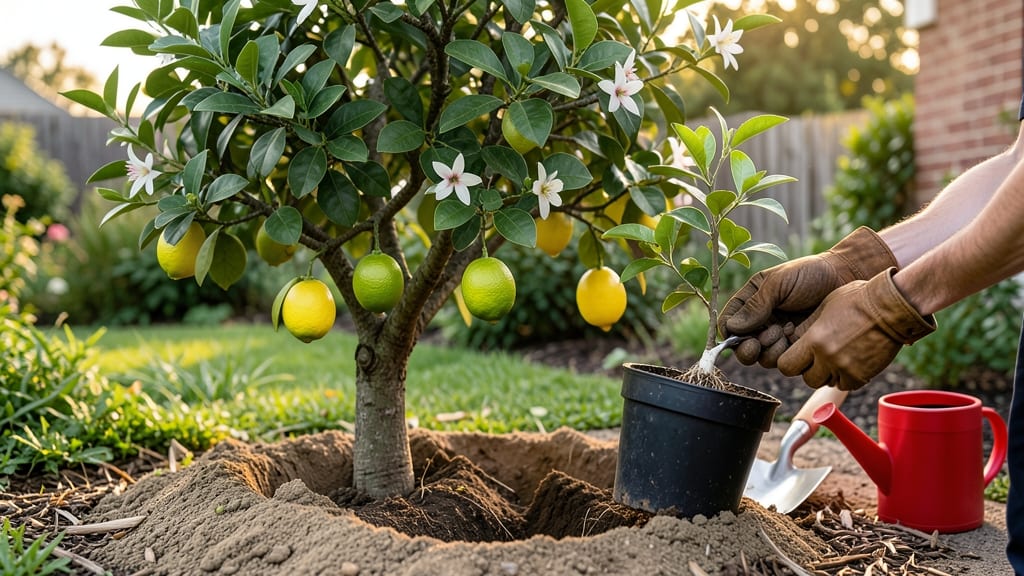
Planting citrus in Arizona at the wrong time can turn your 🍊 dream into a sun-scorched disappointment—but getting the timing right means juicy rewards with minimal effort. The key isn’t just avoiding frost (though that matters!) but waiting until soil temperatures hit 60°F+, when roots can establish without shock.
Most gardeners in USDA Zone 9b (and coastal 10a) know November through March is prime, but inland areas with cooler microclimates (like 8b-9a) can extend success into early spring.
I’ll show you how to read your local chill-hour data and adjust planting dates to match your specific Arizona zone—because a 2-week difference can mean the difference between a thriving tree and a struggling one.
Whether you’re dropping a dwarf Meyer lemon into a pot or planting a full-sized navel orange in your yard, the right timing cuts down on transplant shock and speeds up fruit production.
We’ll also cover how to prep your soil (yes, even in the desert!) and when to avoid those September heatwaves that can fry young roots before they take hold.
Ready to turn your backyard into a citrus grove? Let’s dive into the exact windows, pro tips, and common mistakes to skip—so you can enjoy homegrown oranges by next harvest season.
Optimal Arizona citrus planting months based on soil warmth & chill hours
Arizona’s diverse climate—from the low desert’s 110°F summers to the high desert’s 30°F winters—means citrus planting timing is everything. The key factors are soil warmth (citrus roots need 60°F+ soil) and chill hours (most varieties tolerate 200-500 hours below 45°F).
Plant too early, and roots suffer; too late, and summer heat stresses young trees. Let’s break down the perfect planting windows for your AZ microclimate.
Your first step is checking your USDA hardiness zone. Most of Arizona falls between USDA zones 8b-10a, but elevation matters. Low desert areas (like Phoenix or Tucson) are zone 10a, while higher elevations (e.g., Flagstaff) are zone 7b.
Use the USDA Plant Hardiness Zone Map or tools like the AZ Ag Climate Network to pinpoint your exact zone. Coastal areas (like Yuma) can even plant citrus year-round, but inland zones need precise timing.
Here’s the golden rule: Plant citrus when soil temps are warm but air temps are mild. This happens in two windows—February-April (primary) and August-September (secondary). The Feb-Apr window gives roots time to establish before summer heat, while Aug-Sept avoids the worst of summer’s intensity.
Let’s dive into the details with this quick reference table for your specific zone.
| Planting Window | Soil Temp Requirement | Chill Hours Tolerance | Best AZ Zones | Pro Tip |
|---|---|---|---|---|
| February - April | 60°F+ (use soil thermometer) | 200-500 hours (most citrus) | 8b-10a (low desert) | Mulch heavily to retain moisture |
| August - September | 65°F+ (avoid 100°F+ soil) | 0-200 hours (low-chill varieties) | 9a-10a (coastal areas) | Use shade cloth for young trees |
| October (limited) | 60°F+ (early Oct only) | 0-100 hours (specialty varieties) | 10a (Yuma, coastal) | Water deeply 3x/week post-planting |
| November - January | 55°F+ (avoid frost risk) | 500+ hours (cold-hardy types) | 7b-8b (high desert) | Plant container-grown trees only |
If you’re in USDA zone 10a or coastal AZ, you can plant citrus year-round, but February-March is still ideal. For zone 9a or inland areas, stick to Feb-Apr or Aug-Sept to avoid summer’s brutal heat or winter’s frost risk.
Pro tip: Use a soil thermometer (available for $10 at garden centers) to confirm temps before planting—60°F+ is non-negotiable for citrus roots.
Chill hours matter too. Most citrus varieties need 200-500 chill hours (hours below 45°F) to bear fruit. In low desert AZ (zone 10a), chill hours are often 0-100, so opt for low-chill varieties like ‘Meyer Lemon’ (100-200 hours) or ‘Satsuma Mandarin’ (200-300 hours).
In higher elevations (zone 8b), you can grow ‘Valencia Oranges’ (500+ hours) or ‘Navel Oranges’ (300-500 hours).
For real-time data, check the AZ Ag Climate Network ([agclimate.arizona.edu](https://agclimate.arizona.edu)) for your local soil temps and chill hours. Enter your ZIP code to see if your area has hit the 60°F soil threshold yet.
If not, wait—rushing into planting when soil is too cold will stress roots and stunt growth. Patience here pays off with healthier, fruit-bearing trees in just 2-3 years
How to prepare Arizona soil for citrus trees before planting
Arizona’s alkaline soil (often pH 7.5-8.5) poses a major challenge for citrus trees, which thrive in acidic to neutral soil (pH 6.0-7.0). Without proper prep, your tree may struggle to absorb nutrients, leading to yellow leaves, poor growth, and weak fruit production.
The key? Mimicking citrus’s natural Mediterranean habitat with organic amendments and improved drainage.
Citrus trees need well-draining soil to prevent root rot—a common issue in Arizona’s heavy clay soils. Native amendments like composted cow manure or pine bark fines (20-30%) help loosen soil while adding essential organic matter.
These amendments also lower pH naturally over time, creating the ideal environment for root development.
Here’s your step-by-step soil prep checklist to ensure your citrus tree thrives in Arizona’s harsh conditions:
- 1 Test your soil’s pH using a digital pH meter or home test kit. Aim for 6.0-7.0—Arizona soils often test above 7.5.
- 2 Amend with sulfur if pH is above 7.0. Use elemental sulfur (1-2 lbs per 100 sq ft) and re-test in 2-3 months—it takes time to lower pH.
- 3 Mix in organic matter: Blend 50% native soil, 30% composted cow manure, and 20% pine bark fines for the planting hole. This improves drainage and moisture retention.
- 4 Avoid fresh manure—it can burn roots. Always use well-composted (6+ months aged) organic matter to prevent nutrient spikes.
- 5 Add a 2-inch mulch layer of wood chips or straw around the base (keep mulch 3 inches away from the trunk) to retain moisture and cool roots in Arizona’s heat.
For container-grown citrus, use a 50/50 mix of cactus/succulent soil and peat moss to replicate the fast-draining, slightly acidic conditions citrus loves. Re-pot every 2-3 years to refresh the soil and prevent compaction.
Pro tip: If your soil is extremely alkaline (pH 8.0+), consider planting in raised beds filled with amended soil. This gives you full control over pH and drainage, mimicking the ideal Mediterranean conditions citrus trees crave.
With the right soil prep, your citrus tree will establish strong roots, resist disease, and produce abundant fruit—even in Arizona’s tough climate. Start your amendments 4-6 weeks before planting to give the soil time to settle and improve.