
Trees
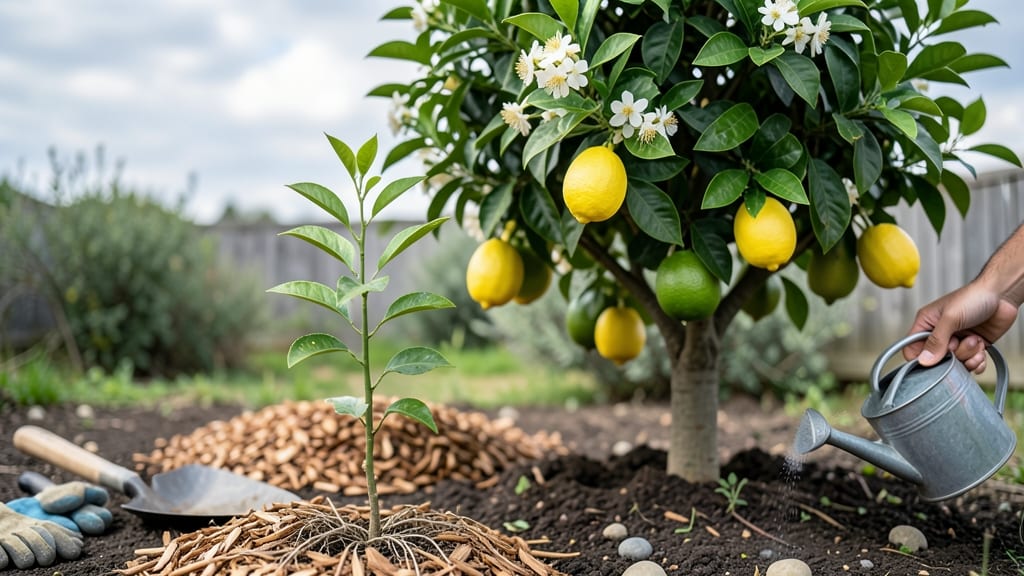
Planting a citrus tree 🍊 in Arizona seems straightforward—until you realize that even the desert’s warmth has its quirks.
The key to success isn’t just picking the right variety; it’s knowing when to plant so your tree thrives from day one, avoiding both summer heat stress and the rare frost that can sneak into high elevations.
Most Arizona gardeners assume citrus can be planted anytime, but the ideal window—November through February—aligns with cooler temperatures and soil that’s just warm enough for roots to establish without shock.
This isn’t just about avoiding frost; it’s about giving your tree the best shot at deep, healthy growth before the desert sun ramps up.
Whether you’re in Phoenix’s low desert or Flagstaff’s cooler microclimate, timing matters. I’ll walk you through the exact soil warmth thresholds, frost-free zone strategies, and even how container planting can extend your growing season. Let’s get your citrus off to the right start.
Ready to skip the guesswork? You’ll discover how to prep your soil, choose the perfect variety for your zone, and keep your tree happy year-round—no matter where in Arizona you’re planting.
Optimal Arizona planting windows by citrus variety & soil temperature
Arizona’s warm desert climate makes it ideal for growing citrus trees, but the key to success lies in soil temperature and planting timing. Most citrus varieties thrive when soil temperatures stay above 70°F for root establishment.
However, planting too early or late can expose young trees to heat stress or unexpected frosts, especially in higher elevations like Flagstaff.
For low-desert areas (Phoenix, Tucson), citrus trees can be planted year-round, but the best window is during the cooler months when soil temperatures are ideal. In higher elevations, where frosts occasionally occur, planting in late fall or winter ensures roots establish before spring warmth triggers growth.
Below is a variety-specific guide to help you choose the right planting window based on Arizona’s microclimates. Each citrus type has unique soil warmth requirements and frost sensitivity, so timing matters!
| Citrus Variety | Best Planting Window | Soil Temp Requirement | Microclimate Notes | Frost Risk |
|---|---|---|---|---|
| Lemon (Eureka, Meyer) | November–February | 70°F+ (ideal: 75°F–85°F) | Thrives in low-desert zones; avoid high elevations | Low (except Flagstaff) |
| Orange (Valencia, Navel) | December–January | 72°F+ (avoid planting below 65°F) | Best in Phoenix/Tucson; needs afternoon shade | Moderate (high elevations) |
| Grapefruit (Ruby Red, White) | January–February | 75°F+ (sensitive to cold soil) | Requires well-draining soil; avoid wet feet | High (high elevations) |
| Lime (Key, Tahiti) | November–December | 68°F+ (tolerates slight coolness) | Great for containers; adaptable to urban areas | Low (container-grown) |
| Dwarf Varieties (All) | October–March | 65°F+ (flexible for containers) | Ideal for patios; move indoors in winter if needed | Minimal (protected planting) |
If you’re planting in Phoenix or Tucson, aim for November–February when soil temperatures are perfect for root growth. In higher elevations like Prescott or Flagstaff, wait until January–February to avoid late-winter frosts that can damage young trees.
For container-grown citrus, you can plant slightly earlier (as early as October) since pots warm up faster in the sun. Just ensure your container has drainage holes and use a lightweight potting mix to prevent overheating.
Pro tip: Use a soil thermometer to check temperatures before planting. If soil is below 65°F, wait a few weeks or use black plastic mulch to warm the soil faster. This simple step can make the difference between a thriving tree and a struggling one!
Once planted, mulch around the base with 2–3 inches of organic mulch (like wood chips) to retain moisture and regulate soil temperature. This is especially critical in Arizona’s dry climate, where temperature swings can stress young roots.
Finally, avoid planting during summer months (June–August) unless you’re in a shaded, irrigated microclimate. The intense heat can shock roots, leading to transplant shock or even death. Instead, let your citrus tree establish over the cooler months and enjoy a fruitful harvest in just a few years!
Arizona’s frost-free zones & how they affect citrus planting timing
Arizona’s USDA Hardiness Zones range from 8a-11, creating dramatic differences in frost risk between Phoenix’s low desert and Flagstaff’s high elevations. While most of Arizona enjoys year-round frost-free conditions, those elevation shifts can mean the difference between safe planting and potential frost damage for young citrus trees.
In Zone 11 (Phoenix, Tucson), you’ll never see frost, making citrus planting possible anytime—but the ideal window remains November through February. Higher elevations like Zone 8a (Flagstaff) experience occasional frost, requiring extra precautions for container-grown trees or young transplants.
For Phoenix gardeners (Zone 10a-11), the biggest concern isn’t frost but summer heat stress during planting. Young citrus roots establish best when soil temperatures hover between 65-75°F. Planting in late fall or winter gives roots time to settle before the desert sun intensifies.
In Flagstaff’s Zone 8a, where frost can dip below 28°F, container planting becomes a game-changer. Move potted citrus indoors or to a garage during cold snaps, or wrap young trees in burlap frost blankets. Dwarf varieties like ‘Meyer lemon’ handle cooler temps better than standard trees.
Even in frost-free zones, soil temperature dictates success. Use a soil thermometer to confirm warmth before planting—citrus roots need consistent moisture and warmth to avoid shock. Amend your soil with compost to improve drainage and retain heat.
Pro tip: Mulch heavily around your citrus tree’s base to regulate soil temperature. In Phoenix, this means 2-3 inches of organic mulch; in Flagstaff, add an extra layer for insulation. The right timing and protection ensure your citrus thrives year-round, no matter where in Arizona you’re growing.