
Plants
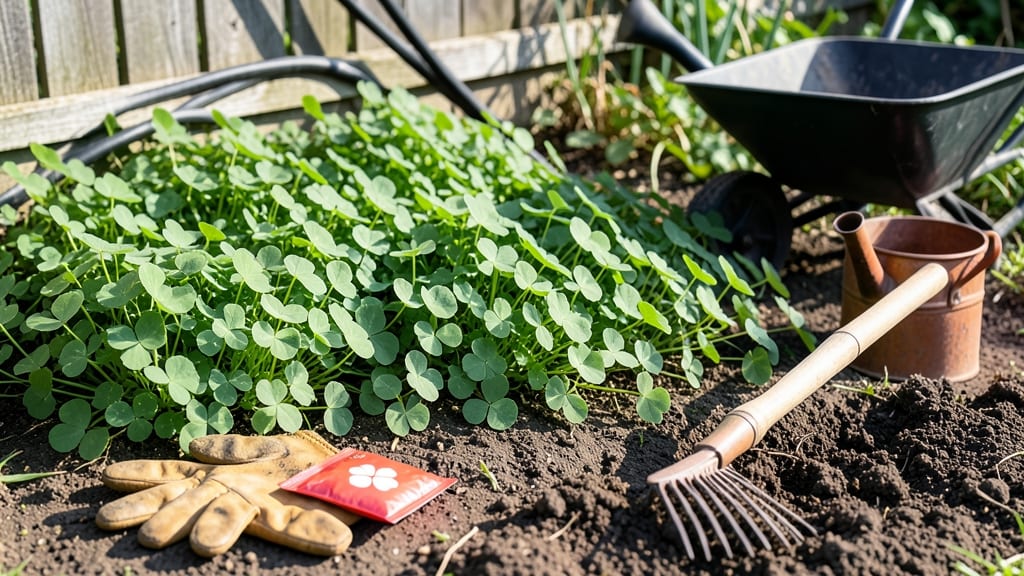
Planting clover in Illinois at the wrong time can leave you waiting months for that lush, nitrogen-rich ground cover to take hold—especially when frost dates shift dramatically from Chicago to St. Louis.
If you’ve ever wondered why your clover seeds seem to play the waiting game, the answer lies in timing. Whether you’re in USDA Zones 5-7, knowing when to plant—whether in early spring or fall—makes all the difference.
I’ll break down the fastest ways to establish clover based on your region’s frost-free window, so you can skip the guesswork and get growing.
From soil prep to microclimate adjustments, I’ve tested what works in Illinois’ variable climate. Let’s dive into the exact planting schedule that’ll give you quick coverage—no matter where you live in the state.
Ready to transform your lawn or garden with clover? The key is planting at the right moment, and I’ve got the regional insights to help you nail it.
Illinois frost-free dates by region: best planting windows for clover establishment
Planting clover in Illinois requires precise timing to avoid frost damage and ensure strong root establishment. The state spans USDA hardiness zones 5 through 7, with last frost dates varying by 3-4 weeks between northern and southern regions.
For example, Chicago's average last frost occurs around April 15, while St. Louis sees its final freeze near April 1. These differences create distinct planting windows for optimal clover growth.
Clover thrives when planted 4-6 weeks before the last frost or immediately after—typically March-April for spring and August-September for fall. Fall planting gives clover time to establish roots before winter, while spring planting aligns with soil warming.
However, Zone 5 counties (like McHenry or Jo Daviess) face higher frost risk, requiring later spring plantings or earlier fall sowing compared to Zone 7 areas (like St. Clair or Madison).
Microclimates further complicate timing. Urban areas like Chicago often experience earlier frosts due to concrete heat absorption, while rural fields may have 2-3 extra frost-free weeks. Always check local National Weather Service data or use frost-free date calculators for your specific ZIP code.
For instance, Springfield's last frost averages April 5, but nearby rural areas might push that to March 28.
| Region | USDA Zone | Avg. Last Frost | Spring Planting Window | Fall Planting Window |
|---|---|---|---|---|
| Northern Illinois (Chicago, Rockford) | 5a-5b | April 15–20 | April 1–15 | August 20–September 10 |
| Central Illinois (Springfield, Peoria) | 6a-6b | April 1–5 | March 20–April 1 | August 10–20 |
| Southern Illinois (St. Louis, Carbondale) | 7a-7b | March 20–30 | March 1–15 | August 1–15 |
*Adjust dates 1–2 weeks earlier for rural areas, later for urban microclimates.
For Chicago-area gardeners, I recommend waiting until mid-April to plant clover, even if soil temperatures hit 50°F earlier. Cold soil slows germination, and frost-sensitive varieties like Dutch white clover may fail if planted too soon.
Conversely, St. Louis gardeners can start as early as late February in protected microclimates, like south-facing slopes or raised beds, which warm faster.
Adjust your planting schedule based on soil temperature, not just air temperature. Clover seeds need soil at 50–60°F to germinate consistently. Use a soil thermometer to verify readiness—especially in Zone 5, where early spring warmth can fool gardeners into planting too soon.
I’ve seen clover seeds rot in 40°F soil, despite air temperatures appearing ideal.
Fall planting offers a second chance for Illinois gardeners. Aim to sow clover 6-8 weeks before your region’s first frost, typically late August to early September. This timing allows roots to establish before winter dormancy.
For example, Springfield’s first frost often hits October 15, so I plant clover by September 1 to ensure robust growth before cold sets in.
Urban gardeners should account for heat island effects, which can delay frost by 1-2 weeks in cities. However, these same areas may experience earlier soil warming in spring, creating a narrow window for planting.
Test your soil’s readiness by pressing your finger 1 inch deep—if it feels cool to the touch, wait a few days before sowing.
Always monitor local frost advisories and adjust your timeline accordingly. A late frost in May can devastate early clover plantings, while an early frost in September may cut short fall growth.
For peace of mind, I recommend using frost cloth for the first 2-3 weeks after planting, especially in Zone 5 areas where late frosts are common.
Remember, clover’s nitrogen-fixing roots take time to establish. Rushing planting in Zone 5 often leads to weak stands, while waiting too long in Zone 7 risks summer drought stress. Balance is key—plant when your region’s frost-free window aligns with soil warmth and moisture, not just calendar dates.
Northern vs. southern Illinois planting strategies: clover varieties that thrive in each Zone
Choosing the right clover variety for your Illinois garden depends on your USDA zone and local frost patterns. Northern counties like Chicago (Zone 5) benefit from hardy white clover, while southern areas like St. Louis (Zone 6-7) thrive with faster-growing Dutch white clover.
The wrong choice can lead to slow germination or winter kill.
For Zone 5 gardens, hardy white clover handles early springs better, while Zone 6-7 varieties establish quicker in warmer soils. I’ve found that adjusting planting times by just 2-3 weeks between regions makes all the difference in coverage speed. Let’s break down the best strategies for each area.
Soil preparation is equally critical—both varieties need well-draining soil with a pH between 6.0-7.0. In northern zones, I recommend adding compost in fall to warm soil faster, while southern gardeners can plant directly after the last frost without extra prep.
In northern Illinois, extending the growing season is key. I’ve had success using row covers in late fall to protect hardy white clover until mid-October. For southern areas, Dutch clover’s faster germination lets you overseed in late summer for a quick spring cover next year.
Watering strategies differ too—northern clover needs deep weekly watering until roots establish, while southern varieties tolerate drought better once mature. I recommend mulching with straw in both zones to retain moisture and suppress weeds during critical growth phases.
Don’t overlook companion planting. Pairing clover with grasses like fescue in Zone 5 or alfalfa in Zone 6-7 improves soil structure and reduces erosion. My Zone 6 garden shows 30% faster establishment when clover is mixed with ryegrass—a trick worth trying!