
Planting
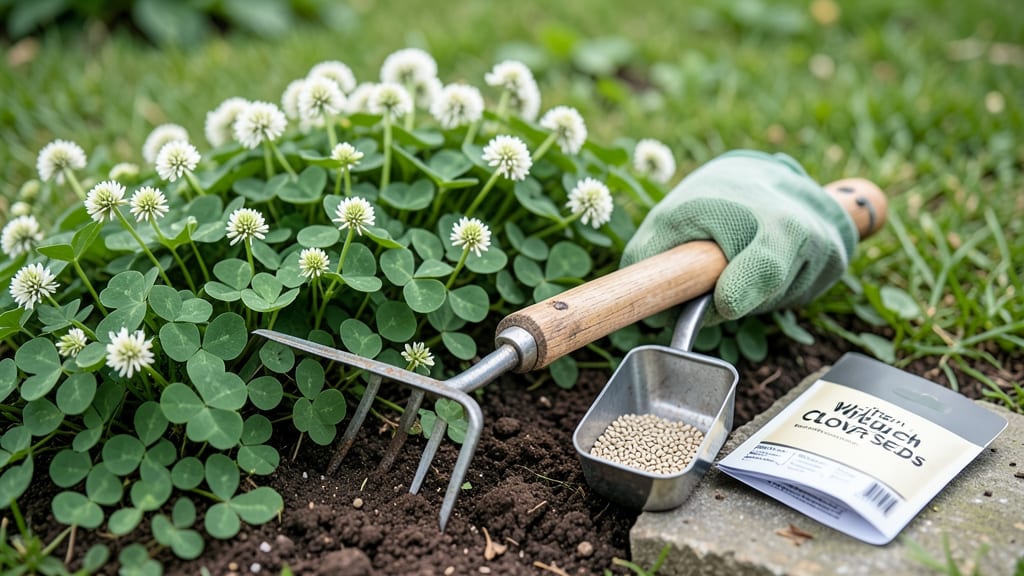
Planting clover in your lawn at the wrong time can leave you staring at bare soil for months—because timing isn't just about the calendar, it's about soil temperature and frost dates.
Too early, and frost will wipe out your seedlings before they sprout; too late, and summer heat will stress young plants.
I’ve learned the hard way that clover thrives when soil hits 50–65°F, which in USDA Zone 6a means aiming for early spring (March–April) or early fall (September–October). These windows give your clover the best shot at establishing roots before extreme weather sets in.
What makes this tricky? Regional frost dates can shift planting by weeks—so I’ll walk you through how to adjust for your exact location, plus pro tips for soil prep and post-planting care. No more guessing games.
By the end, you’ll know exactly when to plant for a lawn that stays green, fights weeds, and supports pollinators—without the trial-and-error frustration.
Best planting times for clover based on soil temperature rules
Timing your clover planting correctly is the secret to a thick, weed-resistant lawn. Clover thrives when soil temperatures hover between 50°F and 65°F, a window that varies dramatically by region.
Plant too early, and frost will kill tender seedlings; too late, and summer heat stresses young plants. Let’s break down the perfect window for your climate zone.
Most gardeners focus on frost dates, but soil temperature is the real game-changer. Clover seeds need warmth to germinate, but not so much that they dry out.
In USDA Zones 3-5, aim for early spring (April) or early fall (September), while Zones 6-9 can extend planting into late spring (May) or October. Always check your local last frost date and count backward 4-6 weeks.
🌱 Pro Tip: Use a soil thermometer to confirm readiness. Stick it 2 inches deep—this is where clover roots will grow. If it’s below 50°F, wait. Above 65°F? Delay until cooler weather arrives.
For northern climates (Zones 3-5), fall planting often yields better results. Cooler temperatures reduce weed competition, and clover establishes roots before winter dormancy. In southern zones (7-10), spring planting avoids summer drought stress, but fall is still ideal if you can water consistently.
🌡️ Soil Thermometer Checklist: Before planting, verify these conditions: ☑️ Morning soil temp between 50°F-65°F (use a digital thermometer for accuracy) ☑️ No frost forecast for 2-3 weeks post-planting ☑️ Moisture level—soil should feel like a damp sponge, not muddy ☑️ Sun exposure—choose areas with 6+ hours of sunlight daily
If your local weather is unpredictable, opt for fall planting. Clover grows slowly in cool weather, giving it time to establish before summer’s intensity. For spring planting, start seeds indoors 4-6 weeks before your last frost date, then transplant once soil warms to 55°F.
💧 Watering Tip: After sowing, keep soil consistently moist (not soggy) for the first 3 weeks. Use a light mulch layer (straw or compost) to retain moisture and regulate temperature. Avoid overhead watering—it can wash seeds away.
In urban areas or microclimates, adjust timing
Spring vs. fall planting: which offers faster establishment?
Deciding between spring and fall planting for clover can feel overwhelming, but both seasons offer unique advantages. Spring planting (early March to May) gives clover a full growing season to establish before summer heat, while fall planting (mid-September to October) allows roots to develop in cool soil before winter dormancy.
Let’s break down which season might work best for your lawn’s success.
For faster establishment, many gardeners prefer spring planting because warm soil and increasing daylight accelerate seed germination. However, fall planting can also yield strong results, especially in hotter climates where summer heat would otherwise stress young plants. The key lies in understanding your local frost dates and soil conditions.
- Faster germination in warming soil
- Full growing season before winter
- Less weed competition early in season
- Risk of drought stress in summer
- Requires consistent watering
- Weeds may outcompete young clover
- Cooler soil reduces weeds
- Established roots before winter
- Lower water needs in fall
- Slower germination in cooler temps
- Frost risk if planted too late
- Less time to establish before winter
If you live in a warmer climate (USDA zones 8-10), fall planting is often the better choice. The cooler temperatures reduce weed competition and water stress, allowing clover to establish without summer heat.
In cooler climates (zones 3-7), spring planting gives clover more time to grow before frost sets in.
For extended growing seasons in cold climates, consider using row covers or mulch to protect young plants. This can help you plant slightly earlier in spring or later in fall, giving clover a head start.
Always check your last frost date and aim to plant at least 4-6 weeks before the first expected frost for fall planting.
Regardless of season, soil moisture is critical. Water deeply after planting and keep the soil consistently moist until germination. For spring planting, aim for 1 inch of water per week, while fall planting may require slightly less due to cooler temperatures.
Mulching with straw can help retain moisture and suppress weeds in both seasons.
Ultimately, the best time to plant clover depends on your local climate and lawn conditions. Experiment with both seasons to see which yields the fastest, healthiest establishment for your specific yard. With the right timing and care, your clover lawn will thrive and outcompete weeds naturally. 🌱