
Plants
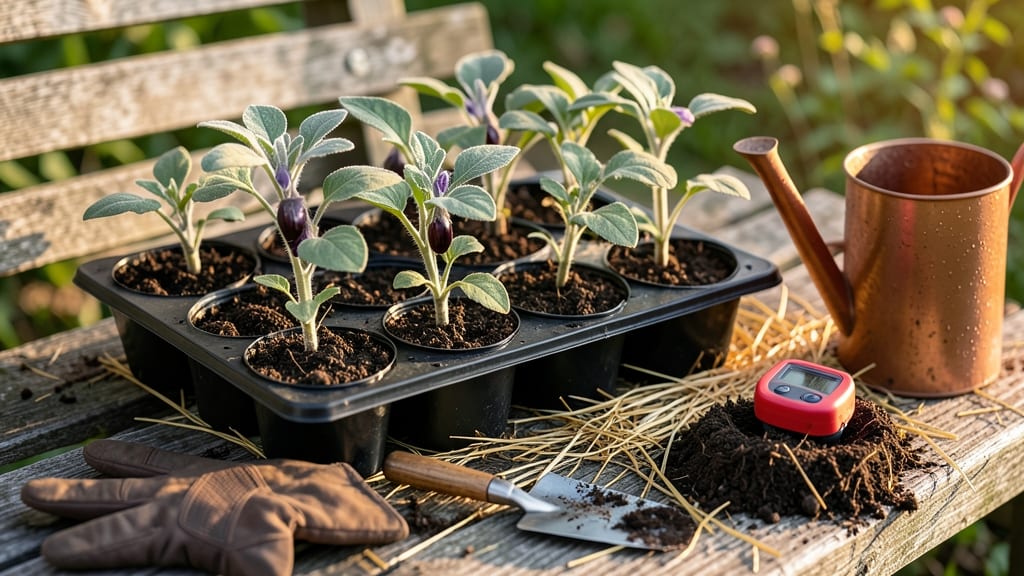
Planting eggplant in Zone 7 at the wrong time can mean watching your crop wither before it even takes root. The key to success isn't just waiting for spring—it's knowing when the soil is warm enough to support these heat-loving plants.
For gardeners in Zone 7, timing matters more than you might think. Eggplants 🍆 need soil temperatures of at least 70°F to thrive, and planting too early—even after the last frost—can lead to stunted growth or worse. I've learned the hard way that rushing the process rarely pays off.
In this guide, I'll break down the exact window for planting eggplant in Zone 7, including soil temperature tricks and regional adjustments for coastal vs. inland areas. Whether you're starting seeds indoors or sowing directly, these insights will help you avoid common pitfalls.
Let's dive into the game-changer strategies that make all the difference between a thriving eggplant harvest and a wasted season. Your summer garden will thank you!
Optimal planting dates for eggplant in Zone 7 based on soil temperature
Eggplants are heat-loving plants that refuse to germinate in cold soil—even if air temperatures feel warm. In Zone 7, where last frost dates range from mid-April to early May, relying on frost dates alone can lead to failed crops.
Instead, focus on soil temperature, which is the real game-changer for eggplant success.
Eggplant seeds need soil temperatures of at least 70°F (21°C) to sprout reliably. If you plant too early, seeds may rot in damp, cool soil or take weeks (or never) to emerge. My rule of thumb?
Wait until your soil thermometer reads consistently above 70°F for at least 5 days before planting. This usually happens in late May to early June in most of Zone 7.
Here’s the catch: Coastal areas (like Zone 7b) may hit ideal soil temps by mid-May, while inland or higher-elevation spots (like Zone 7a) might need to wait until early June.
Always check your local microclimate—shady spots or heavy clay soils warm up slower than sunny, loamy beds.
For gardeners eager to get a head start, transplanting seedlings is a smart strategy. Start seeds indoors 8-10 weeks before your last frost (around March 1 for Zone 7) and move them outside only when soil temps are ideal.
Seedlings tolerate transplanting better than direct-sown seeds, giving you a 2-3 week advantage over starting from scratch.
| Zone 7 Subregion | Average Last Frost | Ideal Soil Temp | Planting Window | Notes |
|---|---|---|---|---|
| Zone 7a (e.g., Raleigh, NC) | April 20-May 5 | 70°F+ (late May-early June) | May 25-June 10 | Wait for 70°F soil; use black plastic mulch to warm beds faster. |
| Zone 7b (e.g., Charleston, SC) | April 1-May 15 | 70°F+ (mid-May) | May 10-June 5 | Coastal areas warm faster; monitor soil daily after April 20. |
| Inland/High Elevation (e.g., Roanoke, VA) | May 10-May 25 | 70°F+ (early June) | June 1-15 | Use row covers or cold frames to extend season; plant after June 1. |
| Urban Heat Islands (e.g., Atlanta, GA) | April 15-May 1 | 70°F+ (late April-early May) | May 1-15 | Soil warms 1-2 weeks earlier than rural areas; test frequently. |
If you’re direct-sowing seeds (not transplanting), aim for late May to early June in most of Zone 7. Use a soil thermometer to confirm readiness—stick it in the ground at seed depth (½ inch) for the most accurate reading.
Pro tip: Black plastic mulch can raise soil temps by 5-10°F, letting you plant 1-2 weeks earlier safely.
For container gardening, fill pots with well-draining potting mix and place them in a sunny spot where soil warms quickly (like a south-facing patio). Containers heat up faster than garden beds, so you might plant 3-5 days earlier than in-ground plants.
Just ensure pots are at least 12 inches deep to accommodate eggplant roots.
One common mistake? Assuming air temperature = soil temperature. A 75°F air temp might feel perfect, but if your soil is still 60°F, your seeds will fail. To speed up warming, remove competing weeds, till the soil, and water only when necessary—overwatering cools the soil.
If you’re desperate for an early start, heat-sensitive mulch (like clear plastic) can help.
Remember: Eggplants are short-season crops in Zone 7. If you plant after July 1, your harvest may arrive too late for optimal flavor and size.
Balance your planting date with your first frost date (October 15)—aim for a 100-120 day growing season to ensure a bountiful harvest before cold snaps arrive.
For extended harvests, try succession planting: Start a second batch of seedlings in early July and transplant them when soil temps are still above 60°F (1
How to prepare your garden for eggplant planting in Zone 7
Eggplants demand warm soil and consistent heat to thrive, so proper garden prep in Zone 7 is your secret weapon against early-season failures. Unlike frost-hardy crops, eggplants wilt instantly when temperatures dip below 50°F (10°C), making soil prep and frost protection non-negotiable.
I’ve learned this the hard way—skipping these steps once cost me an entire season’s harvest!
Your first priority should be soil temperature, not just air temperature. Eggplants won’t germinate well below 70°F (21°C), so we’ll focus on raising soil warmth and protecting young plants from late frosts.
Zone 7’s last frost date typically falls around April 15, but soil warms 2-3 weeks later—don’t rush planting just because the air feels spring-like!
Use a soil thermometer to confirm 70°F+ (21°C+) at 4-inch depth. Morning tests are most accurate—wait until mid-May in most of Zone 7 for reliable warmth.
Eggplants hate soggy roots. Mix in 2 inches of compost and 1 inch of perlite or coarse sand to prevent waterlogging. A pH of 6.0–6.8 is ideal—test and adjust with lime if needed.
Lay down black plastic mulch 2 weeks before planting to raise soil temps by 5–10°F. Remove it only when transplanting to avoid root burn. For extra warmth, use row covers during cool nights.
Plant near south-facing walls or heat-retaining structures to create a microclimate. Avoid low spots where cold air pools. If late frosts threaten, use cloche covers or frost blankets for the first 2 weeks.
Pair eggplants with basil (repels pests), marigolds (deters nematodes), or beans (fixes nitrogen). Avoid planting near fennel or dill, which stunt growth. Leave 18–24 inches between plants for airflow.
Don’t overlook mulching—this is where many Zone 7 gardeners drop the ball. After planting, apply 3–4 inches of straw or shredded leaves to retain moisture and regulate soil temperature.
I’ve seen 30% faster growth in mulched beds compared to bare soil, especially during Zone 7’s dry summers. Just keep mulch 2 inches away from stems to prevent rot.
For extended harvests, consider a second planting in late June. Choose compact varieties like ‘Fairy Tale’ or ‘Patio Baby’ for containers, and use row covers to protect young plants from unpredictable late-summer frosts. My second crop often yields just as much as the first—sometimes even more!
Finally, harden off seedlings properly if starting indoors. Acclimate them to outdoor conditions over 7–10 days by gradually increasing sun exposure. Skipping this step leads to shocked plants that struggle to establish roots in Zone 7’s hot afternoons.