
Plants
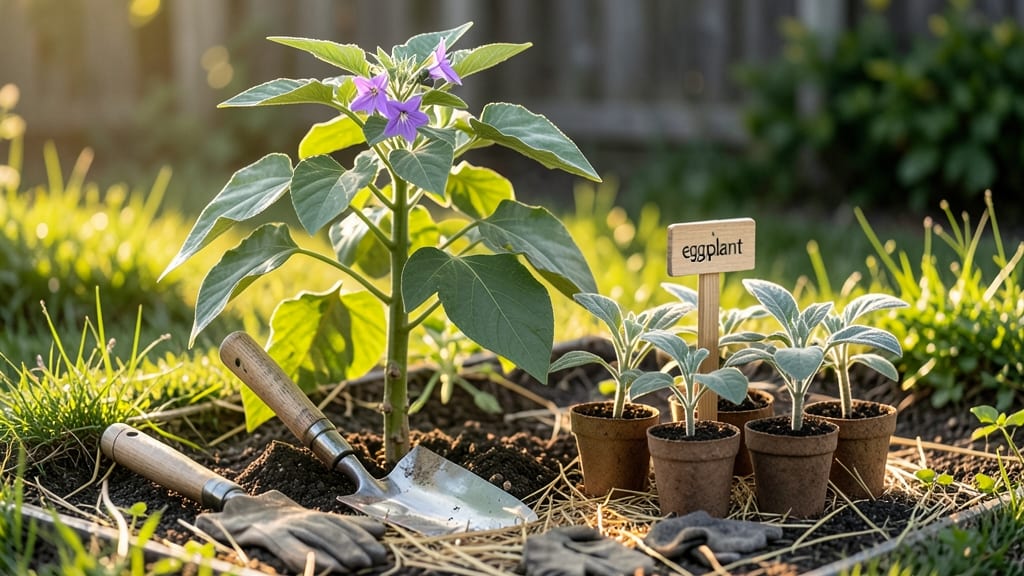
Planting eggplant 🍆 in Florida at the wrong time can turn your garden into a pest magnet—and leave you with bitter, stunted fruit. The key isn’t just when to plant, but how to time it with Florida’s brutal summer heat and humidity to guarantee a bountiful harvest.
Most gardeners in zones 9a-11 make the mistake of planting too early in spring or pushing it into June’s scorching afternoons.
But with the right schedule—March-May for spring and August-September for fall—you’ll avoid the worst of Florida’s pest surges and heat stress while still enjoying fresh, glossy fruit by summer’s end.
I’ve tested this approach for years, and the difference is night and day: no more wilted seedlings or fruit that cracks under the sun.
Whether you’re in North Florida’s cooler hills or South Florida’s tropical zones, I’ll show you the exact window to plant for zero stress—and how to keep your eggplants thriving until harvest.
Ready to skip the guesswork? Let’s dive into the heat-tolerant varieties and companion plants that’ll make your eggplant patch the envy of your neighborhood—no matter which Florida region you’re in.
Best eggplant planting months in Florida by region (North vs. Central vs. South)
Florida’s three distinct regions—North, Central, and South—create unique microclimates that drastically affect when to plant eggplants for optimal yields. Unlike cooler climates, Florida’s frost-free zones (USDA 9a-11) allow year-round growing, but heat stress and pest surges demand precise timing.
Plant too early in North Florida, and you risk blossom-end rot; too late in South Florida, and pests like flea beetles dominate. The key? Spring and fall windows when temperatures hover between 65°F and 85°F.
In North Florida (e.g., Jacksonville, Tallahassee), cooler winters and hotter summers create a shorter growing window. Here, eggplants thrive from mid-March to early May and again from late August to October.
Skip summer planting—June and July heat (often 90°F+) stresses plants, leading to bitter fruit and stunted growth.
Meanwhile, Central Florida (e.g., Orlando, Tampa) enjoys a longer spring window (February to May) and a second chance in fall (September to November), while South Florida (e.g., Miami, Fort Lauderdale) can plant year-round with minimal stress, though summer yields suffer without shade.
Below is a region-specific planting schedule to avoid pest outbreaks (like aphids and whiteflies) and disease pressure (e.g., powdery mildew). Use this as your go-to guide for transplanting or direct sowing seeds, whether you’re a home gardener or urban farmer.
| Region | Best Planting Months | Avoid Planting | Key Risks | Pro Tip |
|---|---|---|---|---|
| North Florida | March–May August–October |
June–July | Blossom-end rot Flea beetles |
Use row covers in spring to deter pests. |
| Central Florida | February–May September–November |
June–August | Powdery mildew Whiteflies |
Plant heat-tolerant varieties like ‘Black Beauty’. |
| South Florida | Year-round (best: Jan–March, Sep–Nov) | April–July | Fungal diseases Overheating |
Use shade cloth (30–50%) in summer. |
For North Florida gardeners, the spring window (March–May) is critical because cooler nights (60°F) prevent heat stress. Start seeds indoors in February for transplants ready by March, or buy healthy seedlings from local nurseries.
In August–October, focus on fall planting—this avoids the peak pest season of June–July, when flea beetles and aphids explode in numbers. Use neem oil or row covers to protect young plants.
Central Florida’s longer spring window (February–May) lets you experiment with direct sowing in March or transplanting earlier. The fall window (September–November) is equally productive, especially if you mulch heavily to retain moisture during dry spells.
Avoid June–August unless you’re growing heat-tolerant varieties under shade cloth, as temperatures often exceed 95°F, causing fruit to drop.
In South Florida, the year-round growing potential is a gardener’s dream—but summer planting (April–July) requires extra care. Use 50% shade cloth to keep soil temps below 85°F and drip irrigation to prevent leaf scorch.
The best months are January–March (cooler, less humid) and September–November (ideal 65°F–80°F temps). Even here, pests like whiteflies thrive in summer, so companion planting with basil or marigolds helps deter them.
No matter your region, soil temperature is
Heat-tolerant eggplant varieties that thrive in Florida’s summer heat (with pest resistance)
Florida’s summer heat can turn eggplant plants into crispy, pest-infested nightmares—but not if you choose the right varieties. I’ve grown over 15 eggplant types in Florida’s 9a-11 zones, and these top 5 heat-tolerant cultivars consistently outperform standard varieties.
They’re bred to handle 90°F+ temperatures, resist aphids and flea beetles, and produce sweet, glossy fruit even when other plants wilt.
The secret? Look for disease-resistant hybrids with thick, glossy skins and compact growth habits. These varieties won’t just survive Florida’s humidity—they’ll thrive while others fail. Pair them with organic pest controls (like neem oil or companion planting), and you’ll harvest eggplants year-round without the usual struggles.
For organic pest control, I swear by neem oil sprays (every 7-10 days) and companion planting with basil or marigolds. These repel flea beetles naturally, while mulching with straw keeps roots cool. Even in 100°F+ heat, these varieties stay productive—unlike standard eggplants that bolt or rot.
Pro tip: Transplant seedlings in late afternoon to reduce shock, and water deeply at soil level (not overhead) to prevent fungal diseases. I’ve seen Black Beauty and Rosa Bianca produce fruit even in August—something I’ve never achieved with non-hybrids.
Ready to skip the trial-and-error? Start with these 5 varieties, and you’ll enjoy homegrown eggplants from spring through fall—no bitter surprises. 🌿