
Plants
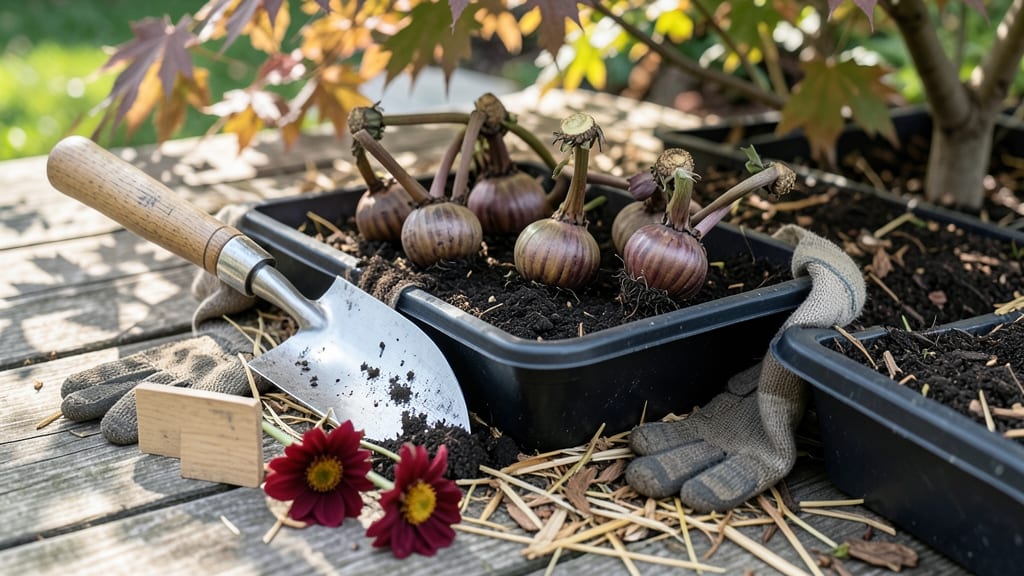
Planting dahlia bulbs at the wrong time in Oregon could mean the difference between a showstopping garden full of 🌼 blooms and a sad, stunted mess. The key isn't just waiting for spring—it's tracking soil temperatures and local frost dates to give your dahlias the perfect head start.
In most of Oregon's 7b-9a zones, mid-April to early June is your sweet spot, but coastal areas and high-desert regions like Bend or La Pine need different strategies.
Too early, and your tubers risk rot from cold, damp soil; too late, and you'll miss the 180-220 frost-free days these dramatic flowers need to thrive.
I've learned the hard way that Oregon's microclimates demand flexibility—what works in Portland's mild Willamette Valley won't cut it in the dry heat of Eastern Oregon. The secret? Plant when soil hits a steady 60°F for at least a week, and always after your last frost date.
This guide breaks down exactly when to plant in your specific corner of Oregon, plus soil prep tricks and variety choices that actually work in our unpredictable climate. Let's get those dahlias growing like pros.
Oregon’s ideal dahlia planting timeline by zone and soil temperature
Timing your dahlia bulbs correctly in Oregon means the difference between a showstopping summer garden and a season of disappointment. Unlike many plants, dahlias thrive when planted after the soil warms to 60°F consistently—not just when the air feels spring-like.
In Oregon, this timing varies wildly between Western lowlands and high-desert regions, with coastal areas like Astoria getting a 2-3 week head start compared to Bend.
Most Oregon gardeners fall into two main climate groups: Western Oregon (Zones 7b-9a), where mild winters and damp springs demand patience, and Eastern Oregon (Zones 5b-7a), where dry heat and earlier frosts require a different approach.
The key? Track your soil temperature with a simple probe—planting too early in cold soil leads to rotten tubers, while waiting too long shortens your bloom season.
Here’s the breakdown you need, including last-frost-date adjustments for high-elevation areas like the Cascades or Columbia Gorge, where frost can linger until May. Use this as your planting compass.
🌱 Pro Tip: If you’re unsure about your exact zone, check the Oregon State University Extension frost maps or use the Almanac’s Planting Calendar for your nearest city. For most gardeners, the 14-day forecast of stable 60°F+ soil is your green light.
| Region & Zone | Last Frost Date (Avg) | Ideal Planting Window | Soil Temp Trigger | Notes |
|---|---|---|---|---|
| Western Oregon (7b-9a) | April 15–May 1 | Mid-April to early May | 60°F+ for 7+ days | Coastal areas (e.g., Astoria) can plant 2 weeks earlier. Willamette Valley (Portland) may need row covers for early blooms. |
| Eastern Oregon (5b-7a) | May 1–May 15 | Late April to mid-May | 60°F+ for 5+ days | High-desert areas (Bend, La Pine) may plant after May 10 due to dry soil warming faster. Use mulch to retain moisture. |
| High Elevation (Cascades/Gorge) | May 15–June 1 | Late May to early June | 60°F+ for 10+ days | Areas like Mount Hood or Columbia Gorge often need cold frames for early starts. Dwarf varieties (e.g., ‘Mignon’) handle shorter seasons better. |
| All Regions (Late Start) | N/A | June 1–15 (emergency) | 60°F+ for 3+ days | For late bloomers, choose compact varieties (e.g., ‘Little Princess’) and plant deeper (6 inches) for stability. |
If you’re in Western Oregon and your soil hits 60°F by early April, you’re golden—just wait until after your last frost (usually mid-April in Portland). But if you’re in Eastern Oregon, don’t rush; your soil may not warm until late April or early May.
I once planted dahlias in Bend in early April, and they rotted within weeks because the ground was still too cold.
For high-elevation gardeners, like those in the Cascades, consider starting tubers indoors in late March using grow lights. This gives you a 3-4 week head start before transplanting outdoors. Just be sure to harden off your seedlings for 7-10 days before moving them to the garden.
One mistake I see often is relying on air temperature instead of soil temperature. A 70°F day in March won’t warm your soil enough—use a soil thermometer ($10 at garden centers) to avoid guesswork. Pro tip: Black plastic mulch can warm soil by 5-10°F faster than bare ground.
After planting, dahlias need consistent moisture to establish roots. In Oregon’s dry summers, mulch with straw or wood chips to keep soil temps stable and reduce watering. I’ve found that drip irrigation is the best way to avoid fungal issues from overhead watering.
Remember: Dahlias are short-season plants in Oregon, with only about 180-220 frost-free days. If you plant late, focus on dwarf or semi-dwarf varieties like ‘Café au Lait’ or ‘Karma Choc’ to maximize your bloom time. And always cut back plants before frost—dig up tubers in November and
How to prep dahlia bulbs for Oregon’s unpredictable spring weather
Oregon’s damp springs and sudden temperature swings can turn dahlia planting into a gamble—unless you prep your tubers right. The key is hardening off your bulbs and amending soil to prevent rot, while choosing varieties that tolerate our cool, wet conditions.
I’ve learned that ‘Café au Lait’ and ‘Bishop’ dahlias thrive here because they handle moisture better than fussy hybrids.
Start by testing your soil’s readiness. Stick a soil thermometer 4 inches deep—once it hits 60°F consistently for 7 days, it’s time to plant.
Coastal areas like Astoria may need to wait until early June, while inland spots like Salem can start in mid-April. Perlite or coarse sand mixed into your soil prevents waterlogging, which is critical in Oregon’s rainy springs.
🌱 Step-by-Step: Prepping Dahlia Bulbs for Oregon
- 📅 Choose frost-tolerant varieties like ‘Café au Lait’ or ‘Thomas Edison’—these handle Oregon’s late springs better than tropical types.
- 🌡️ Harden off tubers 2 weeks before planting: Place them in a 50°F shade house or garage to toughen up against temperature swings.
- 🌱 Inspect bulbs for soft spots or mold—discard any damaged tubers to prevent garden-wide rot.
- 🌿 Amend soil with compost + perlite (50/50 mix) to improve drainage in Oregon’s clay-heavy soils.
- 🛡️ Use row covers or cold frames if planting early—Oregon’s late frosts can still hit in May.
- 📍 Plant 4–6 inches deep, spacing tubers 12–15 inches apart for airflow and disease prevention.
Don’t skip the mulch layer—2–3 inches of straw or shredded leaves keeps soil temps stable and reduces weeds. In Eastern Oregon’s dry springs, add a drip irrigation line to maintain moisture without wetting the foliage, which invites fungal diseases like powdery mildew.
I’ve seen dahlias in Bend thrive with this setup, even when rains stall.
If you’re in a high-elevation area (like the Cascades), wait until after Memorial Day—late frosts there can linger until June.
Use a frost blanket for the first few weeks to give young shoots a fighting chance. Monitor your plants closely: Dahlias in Oregon often need extra support as they grow, so install stakes or cages at planting time.
Pro tip: Mark your planting spots with biodegradable flags—Oregon’s unpredictable weather can make it hard to remember where you’ve tucked those tubers. And if your soil stays cold past June, consider starting dahlias in containers with bottom heat mats to jumpstart growth.
With these steps, your dahlias will burst into bloom just as Oregon’s summer heat arrives—no more sad, stunted stems or moldy tubers. Happy planting! 🌼