
Plants
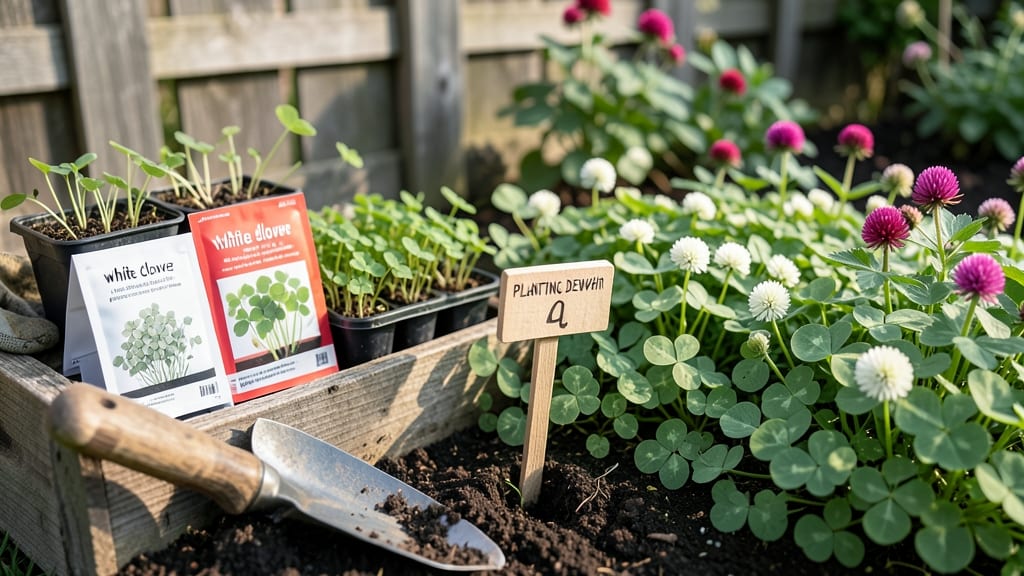
Planting clover in Minnesota isn’t just about grabbing seeds and tossing them into the ground—it’s about timing it perfectly to beat frost and ensure a lush, thriving patch of 🌱.
With USDA Zones 3b-5a bringing early springs and late falls, getting the window right means the difference between a vibrant summer lawn and a sad, frost-nipped failure.
Most gardeners swear by early spring or early fall, but Minnesota’s unpredictable frost dates (think mid-April to mid-October) mean you’ve got to play it smarter.
Whether you’re sowing Dutch white clover for pollinators or red clover for soil health, waiting until soil temps hit 50°F is the key to avoiding stunted growth.
I’ll walk you through the exact frost-free timeline for your region—whether you’re in the Twin Cities or Duluth—and share pro tips to adjust for microclimates. No more guessing games, just a foolproof plan to get your clover off to the best start.
Ready to turn your lawn into a bee-friendly haven? Let’s dive into the optimal planting windows that’ll have your clover blooming by June.
Optimal planting windows for clover in Minnesota by variety
Minnesota gardeners know timing is everything—especially for clover varieties that thrive in short seasons. The key is planting when soil temperatures hit 45°F+ and after the last frost date, which varies by region.
For USDA Zones 5A-4B, this means two prime windows: early spring (April-May) or late summer (August-September). Each clover type has unique needs, so let’s break it down by variety and location.
White Dutch clover is the most cold-hardy option, while red clover needs warmer soil to establish roots. Alsike clover falls in between but prefers well-drained soils.
In Southern Minnesota (Zone 5A), like the Twin Cities, you can plant as early as mid-April, but in Northern Minnesota (Zone 4B), such as Duluth, wait until late May to avoid frost damage.
Rochester’s last frost averages May 10-15, giving it a slight edge for early planting.
| Variety | Best Planting Window | Soil Temp Threshold | Last Frost (Zone 5A) | Last Frost (Zone 4B) |
|---|---|---|---|---|
| White Dutch Clover | Early spring (April 15-May 1) or late summer (Aug 15-Sept 15) | 45°F+ | April 20-May 5 | May 10-June 1 |
| Red Clover | Late spring (May 15-June 1) or early fall (Aug 1-Sept 10) | 50°F+ | April 20-May 5 | May 10-June 1 |
| Alsike Clover | Early spring (April 20-May 10) or late summer (Aug 10-Sept 10) | 48°F+ | April 25-May 10 | May 15-June 5 |
For white Dutch clover, early spring planting is ideal because it tolerates cooler soils and establishes quickly. Aim for April 15-May 1 in Zone 5A or May 10-June 1 in Zone 4B. This variety is perfect for lawns and pollinator gardens because it handles foot traffic and attracts bees.
If you miss spring, late summer (August-September) is your next best bet—just ensure soil stays warm enough for germination.
Red clover, on the other hand, prefers warmer soil temperatures (50°F+), making late spring (May 15-June 1) or early fall (August-September) the best times. It’s a nitrogen-fixer, so it’s excellent for improving soil health in vegetable gardens.
In Duluth (Zone 4B), wait until soil warms to avoid stunted growth. Use a soil thermometer to check—this small investment saves time and frustration.
Alsike clover sits in the middle, thriving with 48°F+ soil and benefiting from both spring and fall plantings. It’s a great choice for pastures and erosion control due to its deep roots.
In Rochester (Zone 5A), you can plant as early as April 20, but in colder areas like Zone 4B, delay until May 15. Always test soil pH (ideal 6.0–7.0) before planting—clover struggles in acidic soils.
Pro tip: Use row covers if planting early in Zone 4B to protect seedlings from unexpected frosts. Remove covers once plants are 2 inches tall to avoid overheating. For fall planting, focus on August-September to allow roots to establish before winter.
Alsike clover, in particular, benefits from a light mulch layer to retain moisture during Minnesota’s dry spells.
Remember, soil temperature matters more than air temperature. A soil thermometer costs under $10 and prevents costly mistakes. For example, in 2023, early April plantings in the Twin Cities failed due to 30°F soil temps—despite air temps in the 50s. Always verify before sowing seeds or transplanting seedlings.
If you’re overseeding an existing lawn, late summer (August) is your best bet for all varieties. This timing aligns with cool-season grasses and gives clover time to establish before winter.
For new plantings, early spring wins for white Dutch clover, while red and alsike clover do better with warmer soil in late spring or fall.
How to adjust planting time for Minnesota’s microclimates
Minnesota’s USDA Zones 4B-5A create dramatic differences in frost timing—up to 2 weeks between northern and southern regions. In Zone 5A (Twin Cities, Rochester), you might see last frosts by April 25th, while Zone 4B (Duluth, Brainerd) often waits until May 10th.
These microclimates mean your neighbor’s perfect planting window could be a disaster for your garden.
Even within cities, urban heat islands can push frost dates back by 5-7 days compared to rural areas. Meanwhile, windy spots near lakes or open fields may need earlier planting to avoid cold snaps.
I’ll break down how to adjust your timing based on where you live—and how to use simple tools like row covers to extend your season.
For late spring plantings, I recommend the 7-day frost risk calculator trick: Check the National Weather Service for your area’s 10-year frost average, then subtract that date from June 1st.
If the difference is 14 days or fewer, cover your clover with floating row covers until the risk passes. These lightweight fabrics raise soil temps by 3-5°F and shield seedlings from 28°F+ frosts.
In Zone 5A, I’ve had success with fall planting (August-September) for perennial clovers like white Dutch. The cooler temps reduce weed competition, and established roots handle early October frosts better.
Just aim to plant 4-6 weeks before first frost—check your local MN DNR frost map for exact dates.
Pro tip: If you’re near Lake Superior or other large water bodies, add 10 days to your frost dates. The lake’s heat retention delays spring frosts and extends fall warmth.
For example, Duluth’s last frost might average May 20th, but inland areas like Hinckley could see frost until May 28th.
Adjusting for microclimates isn’t just about dates—it’s about observation. Watch your neighborhood’s established plants: If dandelions bloom by May 1st, your soil’s likely ready for white clover. And always keep a thermometer handy—50°F soil is your magic number for germination.