
Plants
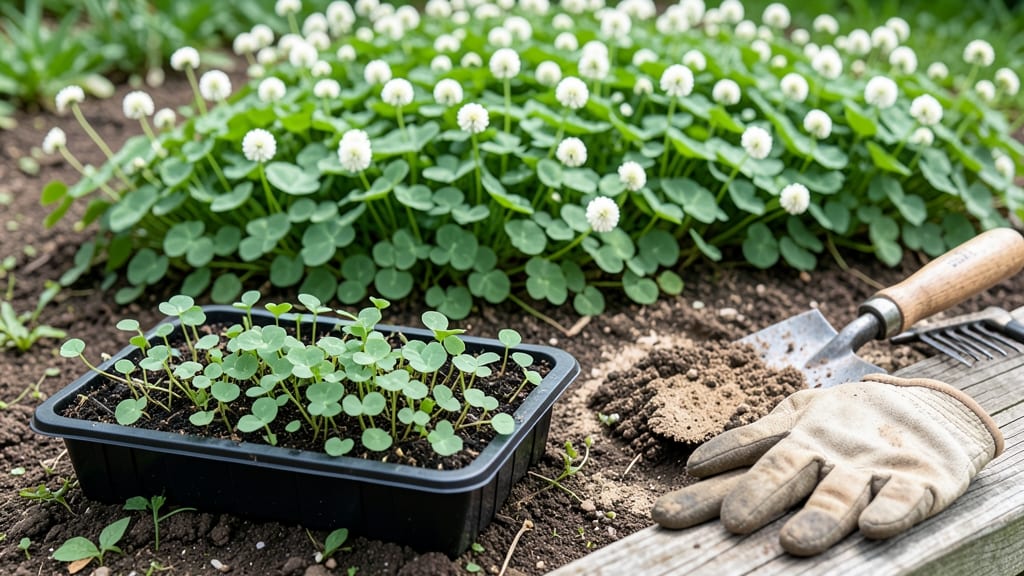
Timing is everything when it comes to planting clover in the fall—get it right, and you'll enjoy a vibrant lawn or pollinator-friendly garden next spring. The 4-6 week window before your first frost is your golden opportunity to establish hardy roots before winter sets in.
I’ve learned the hard way that planting too early risks frost damage, while waiting too late slows growth before dormancy. Whether you’re seeding a cover crop or a lush lawn, the key is understanding your USDA zone and soil conditions.
Clover thrives in cooler weather, making fall the perfect time to prepare for next season’s growth.
This guide will walk you through the ideal planting schedule, soil prep tips, and the best cold-hardy varieties for your region. You’ll discover how to avoid common mistakes and ensure your clover survives winter strong—so you can enjoy its benefits from spring onward.
From nitrogen-rich soil improvements to pollinator support, fall-planted clover delivers year-round rewards. Let’s get your garden or farm ready for a healthier, greener future—starting with the right timing.
Optimal fall planting windows for clover by US hardiness zone
Planting clover in the fall gives it time to establish roots before winter, resulting in vibrant spring growth and nitrogen-rich soil. However, the exact timing varies by USDA hardiness zone and local climate.
Aim to plant 4-6 weeks before the first frost—this window ensures seedlings develop strong root systems before dormancy. In colder zones, focus on soil temperature thresholds (ideal: 50-65°F), while warmer zones can extend planting slightly later.
Clover thrives in well-draining soil with a pH of 6.0-7.5. Before planting, test your soil and amend with compost if needed. White clover and red clover are the most cold-hardy varieties, but crimson clover also performs well in milder zones.
Each type has slightly different frost tolerance, so choose based on your zone and intended use (lawns, cover crops, or pollinator gardens).
Here’s a zone-by-zone breakdown of the best fall planting windows for clover, including temperature cues to guide you:
In Zones 3-4, where winters are harsh, prioritize white clover and red clover varieties like 'Mountain'. These types handle sub-zero temperatures and establish roots quickly before the ground freezes. Plant by mid-September at the latest—any later, and seedlings may not mature enough to survive winter.
Use a thin layer of mulch (2-3 inches) to insulate roots during extreme cold snaps.
Gardeners in Zones 5-6 have a slightly longer window, but don’t wait too long. Aim to finish planting by early October to allow 4-6 weeks of growth before frost. 'Dixie' white clover is a top pick for these zones, as it balances cold tolerance with fast establishment.
If your soil stays workable later, you can push planting to mid-October, but avoid planting when temperatures drop below 50°F at night.
Warmer zones (7-10) offer flexibility, but timing still matters. In Zones 7-8, plant red clover ('Osceola') or white clover by mid-November to ensure roots develop before winter. These varieties thrive in milder winters and can even germinate in spring if planted early enough.
In Zones 9-10, where frost is rare, you can plant crimson clover or 'Ladino' white clover as late as early December, but growth will slow significantly after November.
To check if your soil is ready for planting, use a soil thermometer. Clover seeds need consistent soil temps above 50°F to germinate properly. If your soil is below 50°F, wait 1-2 weeks or use black plastic mulch to warm the soil faster.
Overwatering in cold soil can lead to rot or poor germination, so water lightly but frequently until seedlings emerge.
After planting, apply a light layer of compost and mulch to retain moisture and regulate soil temperature. Avoid heavy fertilization in fall—clover fixes its own nitrogen, so too much fertilizer can burn tender roots.
Instead, focus on well-draining soil and minimal disturbance once planted. With the right timing, your clover will overwinter successfully and reward you with lush green coverage in spring.
🌱
Cold-hardy clover varieties that thrive after fall planting
When selecting clover varieties for fall planting, focus on cold-hardy types that establish roots before winter. These varieties not only survive frost but also provide nitrogen-rich soil for next season. My top recommendations balance overwintering success with ease of care, ensuring your garden thrives year-round.
For USDA zones 3-5, prioritize varieties with frost tolerance ratings above 9/10. In milder zones (6-10), even moderately hardy clovers (7/10+) perform well. The key is matching your local microclimate with the right growth habit—whether you need ground cover, pollinator support, or soil enrichment.
My top pick is 'Dixie' white clover, rated 10/10 for frost tolerance. This variety thrives in USDA zones 3-10 and forms dense mats that suppress weeds while fixing nitrogen in the soil.
Its low-growing habit (3-6 inches tall) makes it ideal for lawns, pollinator gardens, and erosion control.
'Mountain' red clover is another standout, with a 9/10 frost rating and striking magenta flowers that attract bees. Unlike other red clovers, it handles dry conditions well, making it perfect for xeric landscapes or areas with poor soil drainage. Plant it in full sun to partial shade for best results.
For shade-tolerant options, try 'Ladino' white clover, which tolerates 30-50% shade while still delivering 9/10 frost resistance. It’s my go-to for woodland gardens or understory plantings where other clovers struggle. Just ensure your soil pH stays between 6.0-7.5 for optimal growth.
If you're planting for cover crops, 'Arrowhead' crimson clover is a powerhouse with 8/10 frost tolerance and rapid growth. It self-seeds prolifically, creating a living mulch that protects soil from erosion.
For pollinator gardens, pair it with 'Mountain' red clover to extend the blooming season from spring through fall.
To maximize overwintering success, amend your soil with compost before planting and apply a 2-inch mulch layer of straw. Water deeply once a week until the ground freezes, then let nature take over.
With these cold-hardy varieties, your clover will rebound quickly in spring, delivering vibrant foliage and nitrogen benefits all season long. 🌿