
Plants
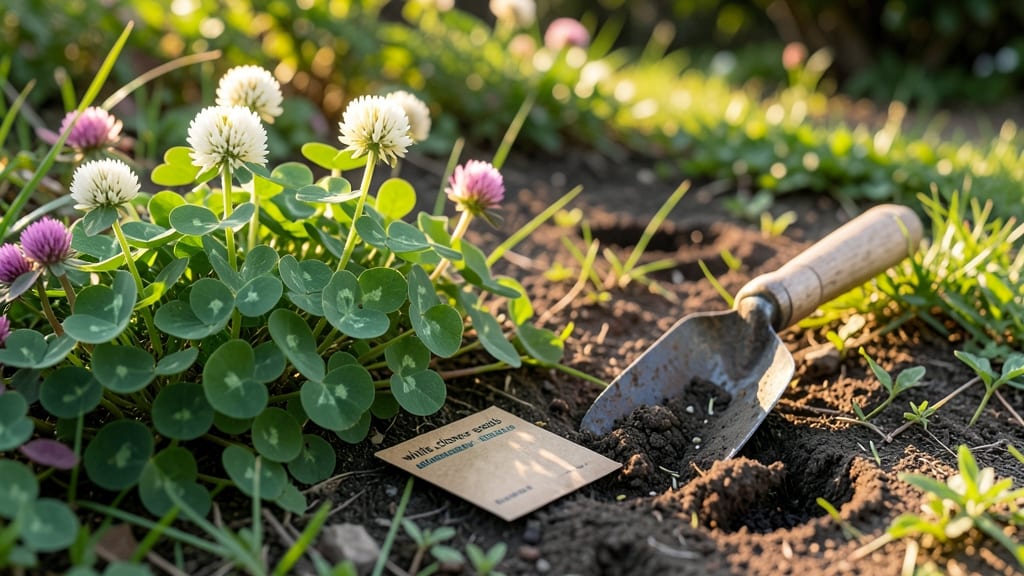
Planting clover in Louisiana year-round is possible—but timing it right is the key to avoiding patchy growth or wasted seeds. With 8a-9b zones and humidity levels that can shift overnight, knowing when to plant makes all the difference for your 🌱 cover crop.
Most gardeners assume spring is the only window, but Louisiana’s mild winters actually allow for two prime planting seasons: early spring and fall.
These periods align perfectly with the 240-300 frost-free days most regions enjoy, giving your clover the best shot at establishing strong roots before extreme heat or cold sets in.
Whether you’re aiming for white Dutch clover’s quick cover or red clover’s nitrogen boost, the right timing can mean the difference between a lush, weed-suppressing ground cover and a struggle to get seeds to sprout.
Let’s break down the exact windows that work best for your microclimate—so you can plant with confidence.
From avoiding the February 15 last-frost risk to leveraging September’s ideal soil moisture, these strategies will help you plant clover when it’s most likely to thrive in your backyard. Ready to transform your soil without the guesswork?
Louisiana clover planting calendar by microclimate zone
Louisiana’s three distinct microclimates—North, Central, and South—create unique planting windows for clover. North Louisiana (USDA Zones 7b-8a) has cooler winters, while South Louisiana (Zones 8b-9a) rarely sees frost. Central Louisiana (Zones 8a-8b) bridges the gap with moderate conditions.
Understanding these zones helps you avoid wasted seeds and maximize coverage.
Clover thrives in Louisiana’s humidity, but timing is critical. Plant too early in cooler zones, and frost can kill young seedlings. Plant too late in warmer zones, and weeds may outcompete your clover.
The key is aligning your planting with local frost-free dates and rainfall patterns, which vary dramatically across the state.
Here’s how to match your clover planting to Louisiana’s three microclimates, including optimal months, frost risks, and rainfall considerations:
In North Louisiana, focus on early spring (February-March) and fall (September-October) plantings. The last frost typically arrives by mid-March, giving clover enough time to establish before summer heat. White Dutch clover is ideal here due to its cold tolerance.
Avoid planting after mid-October, as frost can damage young plants before winter.
For Central Louisiana, you have more flexibility. Plant white clover in late winter (January-March) for early spring coverage or red clover in late summer (August-October) for fall growth. The region’s moderate rainfall supports consistent germination, but avoid waterlogged soil, which can rot seeds.
South Louisiana offers the most planting freedom. Since frost is rare, you can sow clover year-round, but February and September are peak times. Crimson clover thrives here due to its heat tolerance. Use summer plantings for fall harvests, as the region’s high humidity speeds up growth.
Rainfall is another critical factor. North Louisiana receives 4-6 inches/month, while South Louisiana gets 6-8 inches/month. If your area experiences drought, water lightly but frequently after planting to encourage germination. Overwatering can lead to fungal issues, especially in Louisiana’s humid climate.
Pro tip: Test your soil’s pH (6.0-7.0) before planting. Louisiana’s clay-heavy soils often need compost or lime to improve drainage. Mix in 1-2 inches of compost at planting time to boost nutrient availability. This is especially important in Central Louisiana, where soil quality varies widely.
Finally, consider cover crop mixes. Pairing clover with ryegrass or vetch can improve soil structure and suppress weeds. In North Louisiana, plant mixes in late summer (August) for winter cover,
Best clover varieties for Louisiana’s seasons and their planting rules
Louisiana’s warm, humid climate makes it ideal for growing three clover varieties: white clover, red clover, and crimson clover. Each thrives at different times, so choosing the right one—and planting it correctly—ensures thick, lush coverage. The key? Understanding how humidity and heat affect germination and growth in our region.
White clover, like Dutch white clover, handles Louisiana’s heat best and grows year-round. Red clover prefers cooler months, while crimson clover thrives in fall and early spring.
Planting at the wrong time can lead to slow germination or even seed rot due to the high moisture levels in our air.
Here’s a quick guide to help you pick the best variety and plant it at the perfect time:
For white clover, aim to plant in early spring (February–March) or fall (September–October). This variety tolerates Louisiana’s heat and humidity well, making it perfect for year-round coverage. Prepare the soil by loosening it to 1–2 inches deep and mixing in compost to improve drainage.
If you’re planting red clover, focus on fall months (September–November) when temperatures are cooler. Red clover needs full sun and well-draining soil to thrive. Avoid planting in summer, as the heat can cause the seeds to rot before germinating.
Crimson clover follows a similar schedule but grows faster in cooler weather.
One common mistake in Louisiana is planting clover too early in spring before the soil warms up. The ideal soil temperature for germination is 60–70°F. If you plant too soon, the seeds may not sprout, leading to wasted effort. Always check the soil temperature with a thermometer before planting.
To ensure success, water your clover seeds lightly but consistently after planting. Louisiana’s humidity helps, but keeping the soil moist (not soggy) speeds up germination. Once established, clover is drought-tolerant, but young plants need regular watering to take root.