
Plants
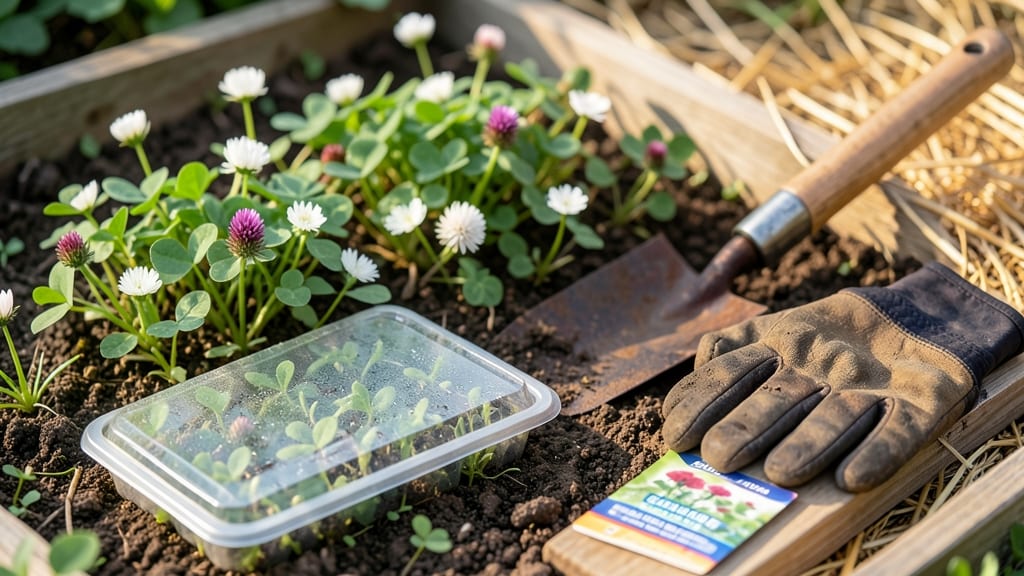
Planting clover in Washington State at the wrong time can mean the difference between a fast-growing, weed-smothering ground cover and a slow, patchy mess. The Evergreen State’s diverse climate—from the rainy Pacific Northwest to the drier inland areas—means timing matters more than you might think.
If you’re wondering when to plant clover for the best results, the answer isn’t one-size-fits-all. Western WA’s milder winters (zones 8a-9a) let you start as early as March, while Eastern WA’s colder stretches (zones 5b-7a) may need to wait until April.
But here’s the kicker: fall planting often outperforms spring in WA’s wet climate, giving clover a head start before winter.
I’ve tested both strategies in my own garden, and the results speak for themselves. Whether you’re seeding for forage, erosion control, or a lush lawn, getting the timing right can cut establishment time in half.
Let’s break down the best windows for your specific region—and how to avoid common pitfalls that trip up even experienced gardeners.
From soil prep to frost dates, I’ll walk you through everything you need to know to plant clover fast and ensure it thrives year-round. Ready to transform your yard or farm? Let’s get started.
Optimal planting windows for clover in Washington State’s climate zones
Washington State’s diverse climate zones—from the maritime Puget Sound to the arid inland areas—create unique challenges and opportunities for clover growers. The average last frost dates shift dramatically between regions, and rainfall patterns can either accelerate or stall germination.
For example, Western WA’s wetter winters allow fall planting to succeed when Eastern WA’s drier conditions demand spring timing. Understanding these variations ensures your clover thrives whether you're in Zone 8a Seattle or Zone 5b Spokane.
Clover varieties also respond differently to timing. White clover thrives in both spring and fall, while red clover prefers cooler spring soils, and alsike clover struggles with late fall frosts. The key is planting when soil temperatures stay above 40°F (4°C) for consistent germination.
In Western WA, this often means March-April for spring or September-October for fall, while Eastern WA gardeners should aim for April-May spring or August-September fall to avoid early frosts.
Soil conditions play an equally critical role. Washington’s acidic soils (common in Western WA) need lime amendments, while Eastern WA’s alkaline soils benefit from sulfur. Both regions require well-draining soil to prevent rot, especially during the winter rains that saturate Western WA fields. Testing your soil’s pH (6.0-7.0 ideal) and organic matter (3-5%) before planting ensures clover roots establish quickly, giving them a competitive edge against weeds.
In Western Washington’s Puget Sound region, the mild, wet winters create ideal conditions for fall planting, allowing clover to establish roots before October’s first frosts.
However, the high humidity increases risks of fungal diseases like clover rot, so choose disease-resistant varieties like ‘Dutch White’ and ensure proper drainage. Spring planting here should begin by mid-March to capitalize on the longer daylight hours that boost early growth.
Eastern Washington’s drier climate and colder nights shift the optimal window later. Gardeners in Spokane or Wenatchee should plant red clover in late April to avoid soil crusting from summer heat.
Fall planting in Eastern WA is riskier due to earlier frosts, but August seeding can work if followed by consistent irrigation. Always check your local frost dates—Eastern WA’s first frost can arrive as early as October 1, cutting short fall growth.
For alsike clover, timing is even more critical. This variety struggles with frost and requires spring planting by May 1 in most of Washington. Its shallow roots also make it sensitive to summer drought, so prioritize mulching in Eastern WA’s hotter inland areas.
If you’re growing alsike for honey production, aim for early June flowering by planting in late April—this aligns with bee activity peaks in the region.
One common mistake I see is planting
Spring vs fall planting: which strategy works best for Washington’s soil and weather?
When deciding when to plant clover in Washington State, timing isn’t just about avoiding frost—it’s about outsmarting weed competition and soil moisture challenges. My experience shows that fall planting often wins in WA’s climate, but spring has its advantages too.
Let’s break down the pros and cons to help you choose the best strategy for your clover variety and location.
Washington’s mild maritime climate in Western regions and drier conditions in Eastern WA create unique challenges. For example, white clover thrives in cooler temperatures, while red clover prefers slightly warmer soil.
Understanding these differences helps determine whether spring or fall planting will give your clover the best start. Let’s compare the two seasons head-to-head.
Spring Planting for Clover in Washington
Pros
- Longer growing season before summer heat
- Easier to monitor for weed competition
- Better for direct seeding in prepared beds
Cons
- Higher weed pressure in early spring
- Slower establishment due to cool soil
- Requires frequent watering during dry spells
Fall Planting for Clover in Washington
Pros
- Faster root establishment before winter
- Reduced weed competition in early growth
- Better soil moisture retention in fall rains
Cons
- Risk of early frost before full growth
- Limited time for harvest or seed production
- Requires precise timing to avoid winter dormancy
In my Western WA garden, I’ve found that fall planting often produces stronger clover stands by spring. The cooler temperatures and consistent rainfall give seedlings time to establish roots before winter dormancy.
However, in Eastern WA’s drier climate, spring planting can be more reliable because fall rains are less predictable.
Adjusting seeding rates is another key factor. For spring planting, I use a slightly higher rate (8-10 lbs per acre) to compensate for weed competition.
In fall planting, a lower rate (6-8 lbs per acre) works better because the reduced weed pressure allows clover to dominate more easily. Always test your soil’s pH level—clover prefers 6.0-7.0—and amend if needed before planting.
One common mistake I see is planting clover too late in fall, especially in Zone 8a or higher. If frost arrives before your clover reaches 2-3 inches tall, it won’t survive winter.
Aim to plant 6-8 weeks before your first frost date—typically mid-September to early October in Western WA and late August to September in Eastern WA.
For maximum success, combine your planting strategy with proper soil preparation. Work in compost or aged manure before planting, and consider a light mulch to retain moisture. Whether you choose spring or fall planting, consistency in care will give you the lush, nitrogen-rich clover cover you’re after.