
Companion Plants
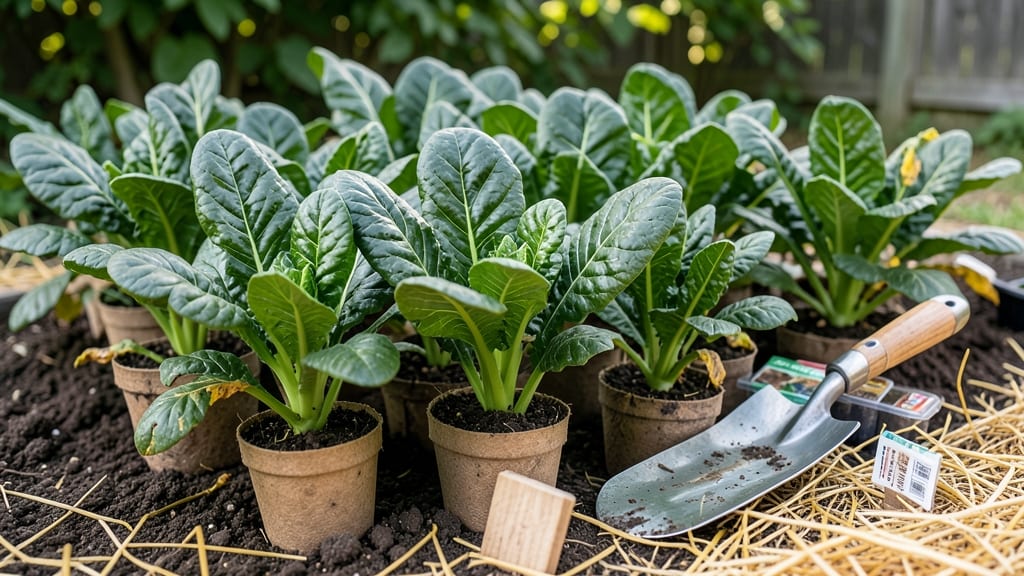
Planting collard greens 🥬 in Alabama isn’t just about timing—it’s about beating the heat and the frost. If you’ve ever watched your greens bolt in summer or wilt before winter harvest, you’re not alone.
The key lies in Alabama’s unique 7a-8b zones, where a 60-day window between late February and early April—or August to September—can mean the difference between a thriving garden and a sad, stunted crop.
Alabama’s climate throws curveballs: mid-March frosts can still linger in the north, while southern counties might already be sweating by April.
But here’s the secret—collard greens actually prefer cooler weather, and planting them just right lets you enjoy fresh leaves from October through December, long after most gardens call it quits.
I’ve tested these strategies in my own Alabama garden, and the results speak for themselves: bigger harvests, sweeter flavors, and plants that shrug off both summer heat and early frosts.
Whether you’re a first-time gardener or a seasoned pro, these heat-zone hacks will help you grow collards that taste like victory—no matter what Mother Nature throws your way.
Ready to unlock the full potential of your collard greens? Let’s dive into the exact planting windows, soil prep tricks, and post-planting care that’ll keep your garden productive from spring through fall.
Alabama heat zone planting calendar: best months for collard greens
Alabama’s USDA Heat Zones 7A-8B create unique challenges for growing collard greens, with hot summers and variable frost dates. Unlike northern regions, Alabama gardeners can plant twice yearly—spring and fall—for continuous harvests. The key is understanding your local frost-free dates and soil temperatures, which vary by zone.
For Zone 7A (northern Alabama), the last frost typically arrives around March 15, while Zone 8B (southern Alabama) sees frost-free conditions by February 28. First frost dates shift from mid-November in Zone 7A to late November in Zone 8B.
These differences mean your planting windows must align with your specific heat zone.
Collard greens thrive in cool weather and can even tolerate light frosts, making them perfect for Alabama’s fall and spring seasons. The ideal soil temperature for germination is 50-85°F, but seedlings prefer cooler 60-70°F soil. Planting too early in warm soil can lead to bolting or poor germination.
Here’s your heat zone-specific planting calendar, including both direct sowing and transplanting methods for maximum success:
| Heat Zone | Spring Planting Window | Fall Planting Window | Soil Temp for Germination | Notes |
|---|---|---|---|---|
| 7A (North AL) | Late March - Early April (transplant) or Mid-April (direct sow) | Mid-August - Late September | 50-85°F (ideal: 60-70°F) | Use row covers for early spring; avoid planting before last frost. |
| 7B (Central AL) | Early March - Mid-April (transplant) or Late March (direct sow) | Early August - Mid-September | 50-85°F (ideal: 60-70°F) | Transplant starts can begin 4-6 weeks before last frost. |
| 8A (South AL) | Late February - Early March (transplant) or Mid-March (direct sow) | Late July - Early September | 50-85°F (ideal: 60-70°F) | Soil warms faster; monitor for bolting in early spring. |
| 8B (Southeast AL) | Early February - Late March (transplant) or Early March (direct sow) | Late July - Late August | 50-85°F (ideal: 60-70°F) | Longer growing season; can plant successive crops. |
For spring planting, start seeds indoors 4-6 weeks before your last frost date or buy transplants from local nurseries.
In Alabama, this means late February to early March for Zone 8B and mid-March to early April for Zone 7A. Direct sowing works best after soil temperatures stabilize above 50°F, usually by mid-April in most zones.
Fall planting is where Alabama gardeners shine. Unlike northern climates, you can sow seeds as late as September in Zone 7A and early October in Zone 8B. Collard greens will overwinter and produce sweet, tender leaves in late winter.
Aim to plant 8-10 weeks before your first frost for a harvest before cold sets in.
When planting, space seeds 18-24 inches apart in rows 2 feet apart to allow for leaf expansion. Thin seedlings to 12-18 inches apart once they reach 2-3 inches tall. Mulch with straw or shredded leaves to retain moisture and regulate soil temperature, especially in hot Alabama summers.
If you’re unsure about your exact frost dates, check the Alabama Cooperative Extension System or use a local weather station for real-time data. For example, Huntsville (Zone 7B) has a last frost around March 28,
How to extend collard green harvests in Alabama’s climate
Alabama’s long growing season and unpredictable frost dates can turn collard greens from a seasonal crop into a year-round harvest with the right strategies. By using succession planting, frost protection, and companion planting, you can keep your garden producing tender leaves well into winter—even when temperatures dip.
The key is leveraging Alabama’s heat zones 7A-8B to maximize growth while minimizing risks like bolting or frost damage.
One of my favorite tricks is staggered sowing every 2-3 weeks starting in late summer. This ensures a continuous supply of young, tender leaves before the first frost hits in mid-November.
Pair this with cold-hardy varieties that thrive in Alabama’s mild winters, and you’ll have collards ready to harvest for months. Let’s dive into the exact techniques that work best in our climate.
-
1
Succession Plant Every 2-3 Weeks
Start sowing seeds in late August and repeat until mid-September for a staggered harvest. This prevents a single overwhelming harvest and extends your season. -
2
Use Row Covers for Frost Protection
Apply lightweight row covers when nighttime temps drop below 30°F. These protect young plants while allowing sunlight and water to penetrate. Remove covers during the day to prevent overheating. -
3
Plant Companion Crops
Interplant collards with onions, garlic, or radishes to deter pests like cabbage worms. Avoid planting near tomatoes or strawberries, which can compete for nutrients or attract shared pests. -
4
Choose Heat- and Cold-Tolerant Varieties
Top picks for Alabama: ‘Georgia Southern’ (heat-tolerant), ‘Blue Max’ (cold-hardy), and ‘Vates’ (disease-resistant). These varieties handle Alabama’s 90°F summers and 25°F winters with ease. -
5
Harvest Strategically
Pick outer leaves first to encourage regrowth. In Alabama’s mild winters, you can harvest every 2-3 weeks even when temps drop to 28°F, as long as plants are protected.
For extended winter harvests, consider using cold frames or low tunnels in Alabama’s colder regions (like USDA Zone 7A). These structures can raise soil temperatures by 10-15°F, allowing you to harvest well into December or January if protected.
Just ensure proper ventilation to prevent condensation and fungal diseases like downy mildew, which thrives in Alabama’s humid winters.
Another pro tip: Mulch heavily with straw or leaves in late fall to insulate roots. This prevents soil temperature swings that can stress plants. In my garden, mulching has helped collards survive 20°F nights without damage.
Pair this with a balanced fertilizer (like 10-10-10) applied in early spring to jumpstart growth after winter dormancy.
Alabama’s climate is ideal for collards if you plan ahead. By combining succession planting, frost protection, and companion planting, you can enjoy fresh collard greens from fall through early spring.
Start with the top 3 varieties—‘Georgia Southern’, ‘Blue Max’, and ‘Vates’—and experiment with row covers or cold frames to push your harvest even further. With these techniques, your collard patch will be the envy of every Alabama gardener!