
Plants
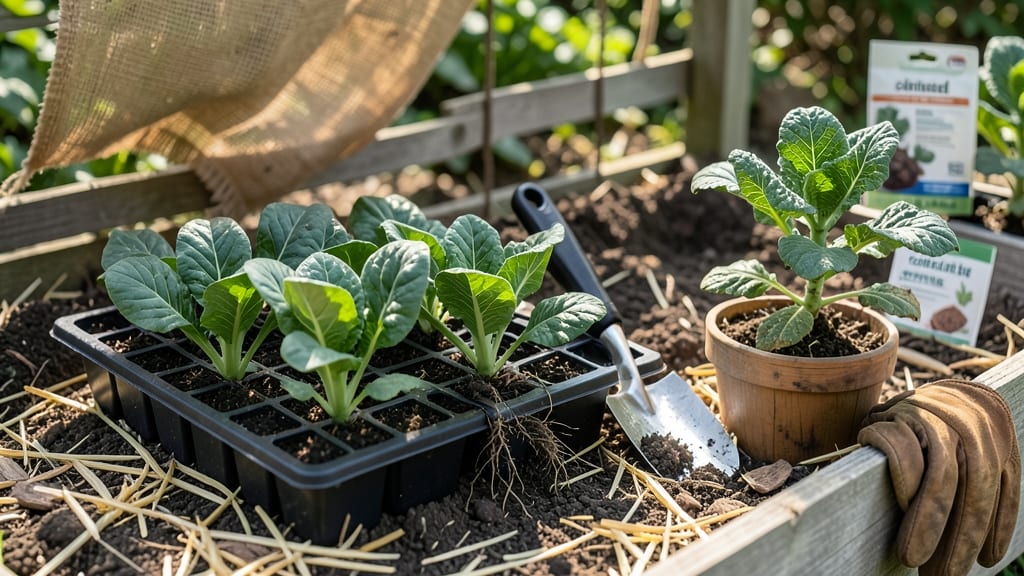
Planting collard greens in Tennessee at the wrong time can leave you with wilted leaves instead of a bountiful harvest—especially when frost sneaks in unexpectedly.
The key to success lies in understanding your specific county's heat zone, since Tennessee's climate varies wildly from the cooler Appalachian mountains to the warmer Gulf Coast region.
For most Tennessee gardeners, the best windows are early spring (March-April) and late summer/fall (August-September), but exact timing depends on your last frost date. In USDA zones 6-8, where collards thrive, planting too early risks frost damage, while waiting too long might mean bolting before harvest.
I've grown collards across Tennessee's diverse regions, and the difference between a thriving plant and a struggling one often comes down to just a few weeks of timing.
Whether you're in East Tennessee's highlands or Middle Tennessee's valleys, I'll show you exactly when to get those seeds in the ground for maximum yield.
Ready to grow collards that last from summer through fall? Let's dive into the frost-free windows by county, so you can plan your planting schedule with confidence—and avoid the common mistakes that waste time and effort.
Tennessee county heat zones: best planting months for collard greens
Tennessee’s USDA hardiness zones 5a-8a create dramatic differences in planting windows for collard greens. The Appalachian Plateau (zone 5a-6b) has cooler springs, while West Tennessee’s flatlands (zone 7b-8a) stay warm longer.
These variations mean your spring planting could start as early as February in Memphis or as late as April in the Smokies. Let’s break down the exact frost-free windows by region.
Collard greens thrive in cool weather but bolt when temperatures exceed 85°F. This makes fall planting (August-September) ideal across most of Tennessee, while spring planting requires careful timing to avoid early frost.
The average last frost dates vary by 100+ days between East and West Tennessee, so let’s get specific about your county’s zone.
🌱 Key Takeaway: Plant collards 4-6 weeks before your first expected frost for a fall harvest, or 2-3 weeks after your last frost in spring. Use the table below to find your exact window.
| Region | USDA Zone | Avg Last Frost | Spring Planting Window | Fall Planting Window |
|---|---|---|---|---|
| East TN Mountains | 5a-6b | April 15-May 1 | May 15-June 15 | August 1-September 15 |
| Middle TN Valleys | 6a-7a | March 20-April 10 | April 15-May 30 | July 15-September 1 |
| West TN Flatlands | 7b-8a | February 20-March 15 | March 1-April 15 | July 1-August 30 |
| Nashville Area | 7a | March 25-April 5 | April 10-May 20 | July 10-August 25 |
| Chattanooga Area | 6b-7a | April 1-April 15 | April 20-May 25 | July 25-September 10 |
In East Tennessee’s cooler zones (5a-6b), like Sevier or Sullivan County, you’ll want to start seeds indoors in March for transplanting after your last frost.
These areas benefit from fall planting until mid-September to avoid early frosts. 🌿 Pro Tip: Use row covers to extend your fall harvest into October.
For Middle Tennessee (6a-7a), including Davidson or Williamson County, the window is wider. You can direct-sow in late March or transplant in April, and fall planting works until early August. The humid summers here make shade cloth essential if planting in July to prevent bolting.
West Tennessee’s warmer zones (7b-8a), like Shelby or Tipton County, allow for earlier spring planting as early as February in protected microclimates. However, the longer growing season means you must plant fall collards by July 15 to avoid heat stress. 💧 Watering Tip: Mulch heavily to retain moisture during 90°F+ days.
If you’re in a transition zone like Knox or Hamblen County (6b-7a), split your planting: half in spring (April) and half in early fall (August). This dual approach ensures a continuous harvest from June through November. ✂️ Harvest Tip: Pick outer leaves first to encourage regrowth.
For urban gardeners in Nashville or Memphis, microclimates matter. A south-facing wall can add 2-3 weeks to your frost-free season. Test your spot by planting a frost-sensitive crop like basil—if it survives, you’ve got a warmer microclimate than the average.
Remember, collard greens are cold-hardy but not frost-tolerant. A light frost (28-32°F) will damage leaves, while hard frosts (below 28°F) kill the plant. Use frost cloth for late fall harvests in zones 6b
Spring vs. fall planting: which works better in Tennessee?
Deciding between spring and fall planting for your collard greens in Tennessee depends on your local climate and harvest goals. Both seasons offer advantages, but understanding their trade-offs helps you avoid common mistakes like heat stress or early frost damage.
Let’s break down the key factors to make the best choice for your garden.
Spring planting (March-April) gives you a head start on the growing season, but Tennessee’s late frosts in zones 6-7 can still pose risks. Fall planting (August-September), on the other hand, allows collards to establish roots before winter, often resulting in hardier plants and longer harvest windows.
The right choice depends on your specific USDA zone and microclimate.
Here’s a quick comparison to help you decide which season aligns best with your gardening goals and local conditions:
Spring Planting (March-April)
Fall Planting (August-September)
For East Tennessee (zones 6-7), fall planting often yields better results because the cooler nights and shorter days prevent bolting, while spring planting risks late frosts. In Middle and West Tennessee (zones 7-8), both seasons work, but fall planting extends your harvest into December or January with proper protection.
If you’re unsure, try both seasons! Start with a small batch in late August for fall and another in early April for spring. Use row covers or mulch to protect young plants from unexpected temperature swings. This way, you’ll have collards ready to harvest from late summer through winter.
Remember, the key to success is soil preparation. Amend your beds with compost and ensure good drainage before planting. Whether you choose spring or fall, your collards will thrive with the right timing and care!