
Plants
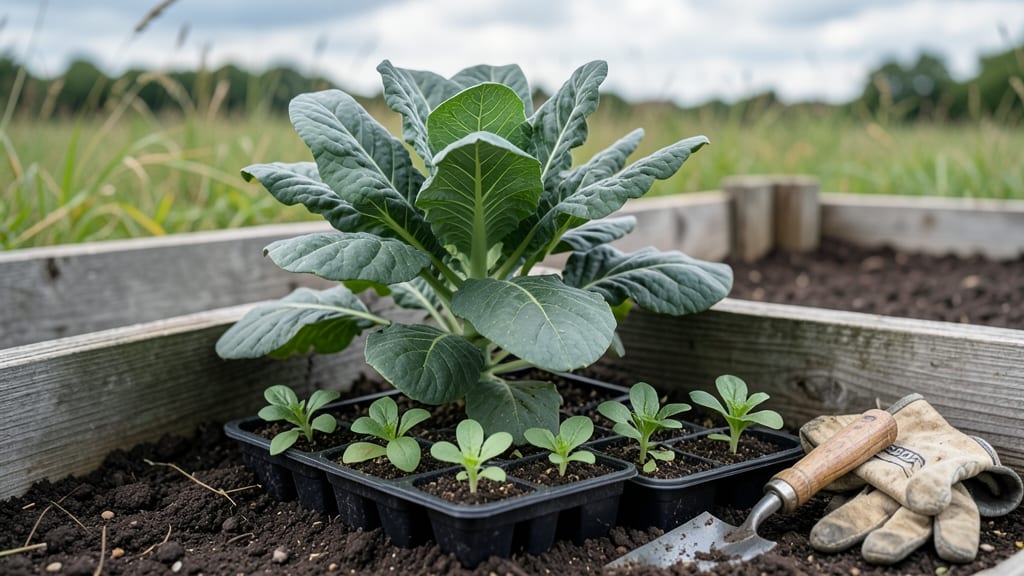
Planting collard greens at the wrong time in South Carolina can turn your 🥬 harvest into a disappointment—too early, and frost will ruin them; too late, and summer heat makes the leaves bitter.
The key is timing it right for your specific heat zone, whether you're in the cooler Upstate or the milder Lowcountry.
As a cool-season crop, collard greens actually prefer South Carolina’s mild winters more than our hot summers. That means your best planting windows are mid-February through early April for spring harvests, or late August to early October for fall and winter crops.
But getting this wrong can mean waiting months for edible leaves—or worse, watching your plants bolt in the heat.
What you’ll discover here is exactly when to plant based on your USDA zone (7b-9a), how to prep your soil for maximum growth, and simple tricks to extend your harvest season. No more guessing—just proven timing that works for SC gardeners.
From frost dates to soil prep and even how to handle early spring or late fall planting, we’ll cover everything you need to grow sweet, tender collards all season long. Let’s get those seeds in the ground at the perfect moment!
South Carolina heat zones & collard greens planting timeline
South Carolina’s diverse USDA heat zones (7A-8B) create unique planting windows for collard greens, a cool-season crop that thrives in mild winters. In Zone 7A, you’ll have a longer frost-free window than in Zone 8B, but both zones offer opportunities for fall, winter, and spring harvests.
Understanding your zone’s last frost date (typically mid-March) and first frost date (usually mid-November) is key to timing your plantings for sweet, tender leaves.
Collard greens are hardy biennials that produce their best flavor when grown in cool temperatures (50°F-75°F). Planting them too early in spring heat or too late in fall can lead to bolting (flowering prematurely) or bitter leaves.
My strategy? Stagger plantings every 2-3 weeks from late summer to early spring to ensure a continuous harvest.
Here’s how your heat zone affects planting: In Zone 7A (Upstate), you can start seeds as early as mid-February for a spring harvest, while Zone 8B (Lowcountry) gardeners can extend their fall planting window until early October. The Midlands (Zone 7B-8A) offers a balanced approach, with three ideal planting periods: late summer, winter, and early spring.
🌱
For Zone 7A gardeners, focus on fall planting (late August) to harvest before the first frost.
In Zone 8B, you can push your fall planting until early October, thanks to the later frost dates. Winter planting (January) is ideal for both zones, as collards sweeten in cold weather and tolerate light frosts. My spring planting strategy?
Start seeds indoors in late February and transplant after the last frost to avoid bolting.
Pro tip: Use row covers in late fall or early spring to extend your harvest window by 2-3 weeks. This is especially useful in Zone 7A, where frosts can arrive earlier.
In Zone 8B, row covers help protect against unexpected cold snaps in winter. I’ve seen collards thrive under lightweight frost cloth down to 20°F, making them a low-maintenance winter crop.
If you’re in Zone 7B or 8A, consider succession planting every 3 weeks from August to October for a continuous supply of leaves. This works because collards grow slowly in cooler weather, so staggered plantings ensure you’re always harvesting mature leaves.
I’ve used this method to keep my collard greens table ready from October through March.
For container gardening, adjust your planting timeline by 2 weeks earlier in spring and 2 weeks later in fall, as pots heat up faster in summer and cool down quicker in winter.
Place containers in partial shade during peak summer heat to prevent bolting. My balcony collards in Zone 8A produced leaves well into December when moved to a n
Best months for planting collard greens in SC (with local tips)
South Carolina’s three distinct regions—Upstate, Midlands, and Lowcountry—each offer unique microclimates for growing collard greens. My Upstate gardeners in Zone 7B can start as early as mid-February, while Lowcountry growers in Zone 8B have until early October for fall plantings.
The key is aligning your planting window with your region’s last frost dates to avoid bitter leaves or frost damage.
For year-round harvests, I focus on two main planting windows: fall/winter (August–October) and early spring (February–April). Fall plantings give you tender greens through winter, while spring plantings provide harvests before summer heat sets in. Soil prep is just as critical as timing—collards thrive in well-draining, slightly acidic soil (pH 6.0–6.8) rich in organic matter.
- Upstate (Zone 7B): Plant mid-February to early April for spring harvests or late August to mid-October for fall/winter crops. Last frost typically hits mid-March, so avoid planting after April 1.
- Midlands (Zone 8A): Start seeds January–March for spring or August–September for fall. First frost arrives around mid-November, so plant 6–8 weeks before to establish roots.
- Lowcountry (Zone 8B): Extend your season with late August to early October plantings. Mild winters here allow for year-round growth—just protect young plants with row covers if frost threatens.
- Soil Prep Tip: Amend sandy soils (common in Lowcountry) with compost or aged manure to retain moisture. Clay soils (Upstate) benefit from sand or peat moss for drainage.
- Extend the Season: Use black plastic mulch in winter to warm soil and floating row covers to protect from light frosts (down to 20°F). This lets you harvest through January or February in most regions.
To maximize your harvest, I recommend succession planting every 2–3 weeks during your region’s optimal window. This ensures a steady supply of leaves without overwhelming your garden at once.
For example, in the Upstate, I’ll plant one batch in late August and another in mid-September to stagger maturity.
Don’t overlook light requirements—collards need 6+ hours of sunlight daily, but they tolerate partial shade in hot afternoons (especially in the Lowcountry’s humid summerssouth-facing spot with morning sun for best results. If your garden is shady, opt for shade-tolerant varieties like ‘Georgia Southern’ or ‘Vates’.
Finally, watering consistency is non-negotiable. Collards need 1–1.5 inches of water weekly, but deep watering 2–3 times per week encourages stronger roots. In sandy soils, I water daily during dry spells to prevent stress.
Mulching with straw or pine needles helps retain moisture and suppress weeds—a game-changer for low-maintenance gardens.
With the right timing, soil prep, and care, you’ll enjoy sweet, tender collard greens from fall through spring. My Lowcountry garden even produces harvests in January with a little extra protection! Start planning your planting calendar now to make the most of SC’s mild winters.