
Planting
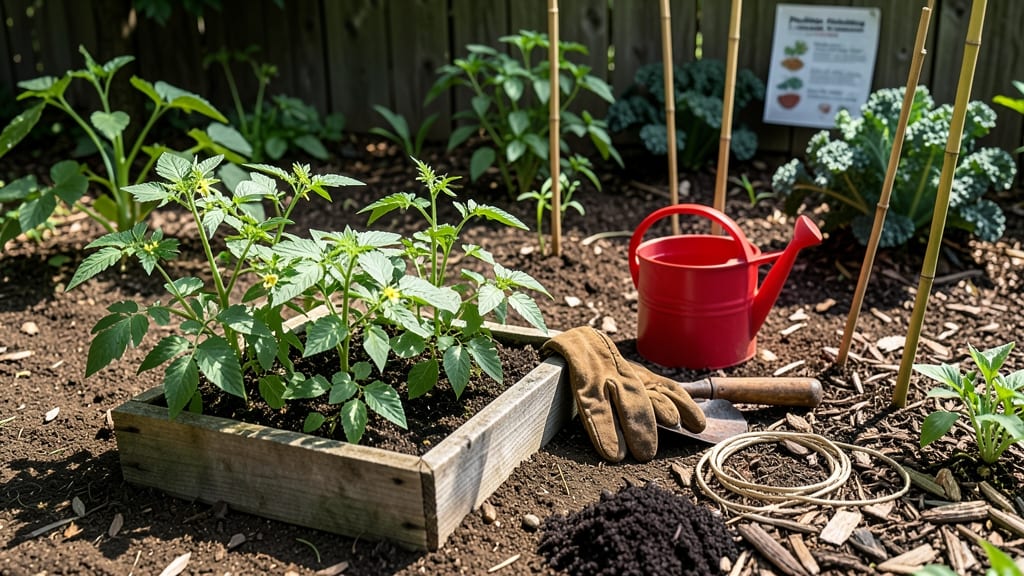
Timing your East Tennessee garden planting just right could mean the difference between a bumper crop and a sad, wilted disappointment. With frost dates that shift yearly and microclimates as varied as mountain ridges and valley floors, knowing exactly when to plant your 🌱 isn’t just helpful—it’s essential for success.
I’ve spent years growing in this region, and the 6a-7a zone brings its own set of challenges—like that tricky last frost around April 15 or the early chill that sneaks in by October.
But don’t let that scare you off! The right strategy can turn those frost dates into your garden’s superpower, helping you stretch your growing season and harvest more than ever before.
What if I told you there’s a simple system to nail your planting schedule—one that accounts for your specific county’s frost patterns and even the quirks of your backyard’s microclimate?
Whether you’re planting cool-season greens or heat-loving tomatoes, I’ll walk you through the exact windows you need to follow, plus pro tips to give your garden the edge it deserves.
Ready to stop guessing and start growing with confidence? Let’s dive into the county-specific deadlines and strategies that’ll make your East Tennessee garden thrive, no matter what Mother Nature throws your way.
East Tennessee county frost dates: exact planting windows by region
East Tennessee’s diverse geography—from the Smoky Mountain ridges to the Tennessee Valley floors—creates microclimates that shift frost dates by weeks. Whether you’re in Sevier County’s high elevations (USDA Zone 6a) or Knox County’s urban valleys (Zone 7a), timing is everything.
Warm-season crops like tomatoes and peppers need soil temperatures above 60°F, while cool-season greens like lettuce thrive when planted 4-6 weeks before last frost. Let’s break down the exact windows for your county.
First, recognize that valleys warm faster in spring but also cool quicker in fall, while ridges stay colder longer. For example, Gatlinburg’s elevations (Zone 6a) may see frost until May 10, while Knoxville’s urban heat islands (Zone 7a) often hit April 20.
These differences mean your planting calendar could vary by 3 weeks just miles apart. Use this guide to align your garden with your local frost-free averages—and adjust for microclimates like south-facing slopes or shaded spots.
| County | USDA Zone | Avg. Last Frost | Cool-Season Plant | Warm-Season Plant |
|---|---|---|---|---|
| Sevier (Zone 6a) | 6a | April 25 – May 5 | Lettuce, Broccoli (March 15) | Tomatoes, Peppers (May 15) |
| Knox (Zone 7a) | 7a | April 10 – April 20 | Spinach, Kale (March 1) | Cucumbers, Beans (April 25) |
| Sullivan (Zone 6b) | 6b | April 15 – April 25 | Peas, Radishes (March 10) | Squash, Eggplant (May 1) |
| Carter (Zone 6a) | 6a | April 20 – May 2 | Onions, Cabbage (March 5) | Peppers, Tomatoes (May 10) |
| Anderson (Zone 7a) | 7a | April 5 – April 15 | Arugula, Carrots (February 28) | Okra, Sweet Potatoes (April 20) |
For cool-season crops like broccoli or spinach, start seeds indoors 6-8 weeks before your county’s last frost date. For example, in Zone 6a Sevier County, that means late January for transplanting outdoors by March 15.
In Zone 7a Knox County, you can push it to early February for an earlier harvest. Direct-sow hardy greens like kale or radishes as soon as soil is workable—often February in valleys but March on ridges.
Warm-season crops like tomatoes and peppers demand patience. Wait until soil temperatures hit 60°F—use a soil thermometer to confirm.
In Knox County (Zone 7a), that’s typically April 25, while Sevier County (Zone 6a) may not reach it until May 15. Succession planting every 2 weeks ensures a steady harvest.
For instance, plant bush beans on May 1, June 1, and July 1 to stretch your season.
Microclimates matter more than your USDA Zone alone. A south-facing slope in Carter County might warm enough for tomatoes by May 1, while a north-facing valley could delay it until May 15. Use row covers to protect early plantings or extend fall harvests.
For example, in Sullivan County (Zone 6b), you can often plant lettuce in late August under a floating row cover and harvest until November 1.
Don’t forget fall planting! In Zone 7a Anderson County, you can direct-sow spinach or radishes as late as September 15 for a winter harvest. In cooler Zone 6a Sevier, aim for August 15 to avoid early frosts.
How to adjust planting timing for mountain vs. valley gardens in East Tennessee
East Tennessee’s dramatic elevation shifts—from Smoky Mountain foothills to Tennessee Valley floors—create microclimates where frost dates vary by weeks.
In high-elevation areas like Cocke County (3,000+ ft), last frosts often hit May 15-20, while valley regions like Knoxville’s flatlands may see frost-free conditions by April 10-15. This 3-week gap forces gardeners to adapt planting strategies to avoid frost damage or wasted seed packets.
For mountain gardens, I recommend starting cool-season crops like spinach indoors by February 15 and transplanting after April 1 when soil warms. In valley gardens, you can plant lettuce and peas directly in late February under row covers.
The key difference? Mountain soils stay 5°F cooler than valley soils at the same latitude, delaying germination by 7-10 days.
Here’s how to balance the risks and rewards of early vs. late planting in both regions:
PROS
- ✅ Longer harvest window for cool-season crops
- ✅ Hardier plants establish before heat stress
- ✅ Soil warms slower—less risk of bolting in greens
CONS
- ❌ Higher frost risk—use row covers or cold frames
- ❌ Slower growth in cooler soils (60°F threshold delayed)
- ❌ Pest pressure from overwintering insects
PROS
- ✅ Warmer soil speeds germination (60°F+ by April)
- ✅ Longer growing season for warm-season crops
- ✅ Fewer frost events—ideal for tomatoes and peppers
CONS
- ❌ Limited time for cool-season crops before summer heat
- ❌ Higher water needs in exposed valley soils
- ❌ Late frosts can still hit in May (check NWS Knoxville alerts)
To mitigate risks, I use succession planting in both regions. In mountain gardens, I plant bush beans every 2 weeks from May 1-June 15 to stagger harvests.
In valleys, I focus on heat-tolerant varieties like 'Celebrity' tomatoes and Okra, which thrive in 90°F+ temperatures that would cook mountain plants.
For cold-sensitive crops, I rely on row covers (like Agribon 30) to push mountain planting 2 weeks earlier or extend valley harvests into early November. A cold frame adds 5-7°F protection, letting me grow spinach and kale through December in sheltered spots.
Just remember: valley gardens can get 10°F hotter than mountain slopes—mulch heavily to retain moisture.
Historical data from UT Ag Extension shows that late-May frosts occur every 3-5 years in valley floors, while mountain areas face early-October frosts annually. Adjust your planting timeline by 10-14 days based on your elevation, and always have backup row covers ready for unpredictable temperature swings.