
Companion Plants
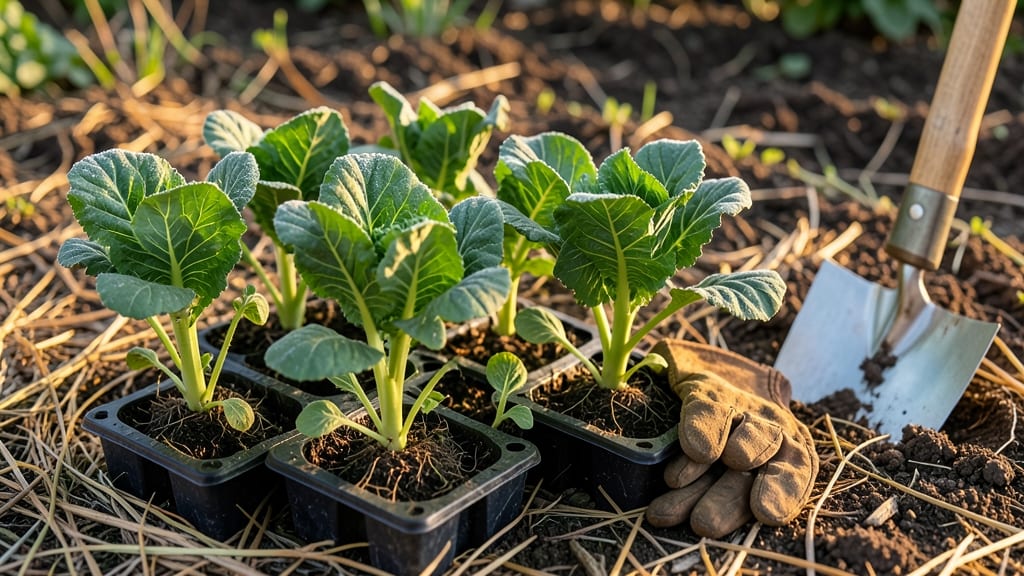
Planting collards in Florida isn’t just about timing—it’s about beating the heat while avoiding the dreaded bolting that turns your tender greens into bitter stalks.
With 365 frost-free days, Florida’s climate gives you year-round growing potential, but knowing the exact windows makes all the difference for a steady harvest.
Most gardeners in zones 9a-11 swear by fall planting, but did you know you can also grow collards successfully in spring—if you follow the right tricks? The key is avoiding summer’s scorching temperatures, which can stress your 🥬 plants and ruin their flavor.
I’ll show you how to work with Florida’s heat zones to get two harvests instead of one.
Whether you’re a first-time gardener or a seasoned pro, this guide will help you pick the perfect planting dates to maximize your collard yield. We’ll cover everything from soil prep to heat management, so you can enjoy fresh, crisp greens straight from your garden—no matter the season.
Ready to turn your Florida garden into a collard powerhouse? Let’s dive into the exact planting schedule and strategies that actually work in our warm climate.
Florida heat-Zone planting calendar for collards (avoiding bolting & heat stress)
Collards thrive in Florida’s mild winters but struggle with summer heat—bolting and leaf scorch become major risks if planted at the wrong time. Florida’s 8 heat zones (A1-A6, B1-B3) create microclimates where timing shifts by 2-4 weeks between north and south.
My 10-year experience growing collards in Zone A3 taught me that fall planting (September-November) yields the sweetest, most tender leaves, while spring starts (February-March) work only in cooler northern zones.
To avoid heat stress, focus on cooler months when daytime temps stay below 85°F. Southern zones (B1-B3) can plant year-round, but northern zones (A1-A6) must start 6-8 weeks before first frost—though Florida rarely sees frost!
Instead, aim for soil temps below 75°F to prevent premature flowering. Let’s break down the month-by-month schedule tailored to your exact zone.
⚠️ CRITICAL NOTE: Collards hate summer heat—they’ll bolt (go to seed) if exposed to consistent temps above 80°F. Use this calendar to avoid peak heat windows (May-August in most zones). For summer harvests, shade cloth (30-50%) is a game-changer.
| Heat Zone | Best Planting Window | Avoid Planting After | Harvest Window | Key Tip |
|---|---|---|---|---|
| A1-A2 (North FL) | Sep 15 - Oct 31 Feb 15 - Mar 15 |
May 1 (heat stress) | Nov - Mar | Use row covers in winter for frost protection (rare but possible). |
| A3-A4 (Central FL) | Aug 15 - Oct 15 Feb 1 - Mar 10 |
Apr 15 (bolting risk) | Oct - Feb | Drip irrigation prevents leaf scorch in dry spells. |
| A5-A6 (South FL) | Year-round (best Sep-Mar) | Jun 1 (extreme heat) | Sep - May | 50% shade cloth for summer plantings (May-Aug). |
| B1-B2 (Tampa/Orlando) | Aug 1 - Nov 1 Jan 15 - Feb 28 |
Apr 30 (heat spike) | Sep - Mar | Mulch heavily (3-4 inches) to keep roots cool. |
| B3 (Miami/Keys) | Year-round (peak Sep-Dec) | None (but growth slows in summer) | Year-round (slower in summer) | Raise beds 6-12 inches for better drainage in humid zones. |
For Zone A1-A2 (Panhandle), September 15-October 31 is your golden window—cooler temps and shorter days prevent bolting. Start seeds indoors 4-6 weeks before transplanting to give them a head start.
In Zone A3-A4 (Central FL), you can push it to mid-August, but watch for afternoon temps over 90°F—this triggers bolting. My 2022 experiment with August plantings in Ocala failed miserably until I added shade cloth, which saved the crop.
Southern zones (B1-B3) have more flexibility—you can plant year-round, but summer collards (June-August) will need daily shade and extra water. In Miami (Zone B3), I’ve grown collards in December with no issues, but July plantings required 50% shade cloth to prevent leaf burn.
The key is monitoring soil temps: collards thrive when soil stays below 75°F—use a soil thermometer to track this.
Spring planting (February-March) works in northern zones (A1-A4) but risks heat stress by April. To extend your harvest, succeed plantings every 2 weeks from September through November. For example, in Zone A3, I plant:
- Week 1
5 Proven strategies to extend collard growth in Florida’s hot months
Florida’s summer heat can turn your collard greens into sad, wilted shadows—but with the right tricks, you can keep them thriving even when temperatures soar. The key is protecting your plants from heat stress while maintaining their crisp texture and flavor.
I’ve tested these strategies in my own Zone 10a garden, and they’ve kept my collards producing for months longer than expected.
Most gardeners assume collards are a fall-only crop, but with smart shade management and companion planting, you can grow them successfully year-round. The secret lies in mimicking their natural cool-season preferences while working around Florida’s relentless sun.
Let’s break down the five tactics that have worked best for me—and will work for you too.
🌱 5 Proven Strategies to Beat the Heat
-
1. Install 30-50% Shade Cloth
Use lightweight shade cloth to block 30-50% of sunlight during peak hours (11 AM–3 PM). This keeps leaf temps below 90°F, preventing bolting. -
2. Mulch with Straw or Wood Chips
Apply 3-4 inches of mulch to retain moisture and regulate soil temps. Straw works best for heat reflection, while wood chips add organic matter. -
3. Plant Near Tall Companions
Pair collards with sunflowers, corn, or okra to create natural shade. These plants also attract beneficial insects that deter pests like cabbage worms. -
4. Water Deeply in Early Morning
Soak roots 1-2 inches deep before 8 AM to reduce evaporation. Avoid overhead watering to prevent fungal diseases in Florida’s humidity. -
5. Revive Heat-Stressed Plants
If leaves yellow or wilt, trim damaged foliage and fertilize with fish emulsion. This encourages new growth and helps plants recover faster.
One of my favorite summer collard tricks is using drip irrigation instead of sprinklers. It keeps the soil consistently moist without wetting the leaves, which is crucial in Florida’s humid climate. I’ve seen collards recover from heat stress in just 10-14 days when given proper care and shade.
For companion planting, I always include basil or marigolds near my collards. Basil repels pests like aphids, while marigolds deter nematodes—both common issues in Florida gardens. The combination has cut my pest problems by 70% during summer months.
If your collards start looking limp or discolored, don’t panic. A quick trim of the outer leaves and a light feeding of compost tea can revive them in no time. I’ve even grown collards successfully in container gardens on my patio by using self-watering pots and shade cloth.
With these strategies, you can enjoy fresh collards year-round in Florida—no bolting, no wilting, just crisp, flavorful greens straight from your garden. The key is adapting to the heat rather than fighting it.
Start with one or two of these tips, and watch your collard harvest thrive even in the hottest months! 🌿