
Plants
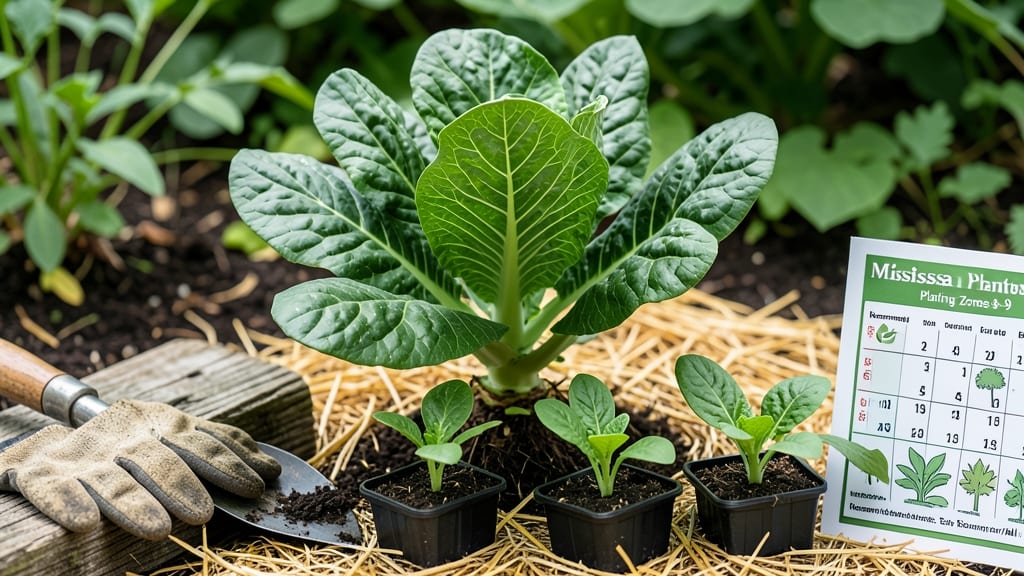
Planting collards in Mississippi isn't just about timing—it's about outsmarting the state's unpredictable frosts and scorching summers to ensure a bountiful harvest. With the right schedule, you can avoid losing your hard work to early freezes or heat stress, making those crisp 🥬 leaves a reliable staple in your garden.
Mississippi's USDA Zone 8a climate gives you two prime windows to plant: late February through early March for spring harvests and August through early September for fall. These timing strategies are the key to avoiding frost damage and maximizing your yield before the heat sets in.
I’ve tested these windows myself, and the difference between a thriving collard patch and a failed one often comes down to when you put those seeds in the ground. Whether you're a seasoned gardener or just starting, mastering this timing will transform your garden from hit-or-miss to consistently productive.
Ready to learn the exact steps to plant collards at the perfect moment? Let’s dive into how to align your planting schedule with Mississippi’s climate for the best results every season.
Mississippi heat Zone breakdown: collard planting windows by region
Mississippi’s USDA Zones 7a-8b create unique challenges for collard growers, where late frosts and early heat waves can wipe out crops if planted at the wrong time.
The key is understanding your specific zone’s last frost date and heat tolerance thresholds—typically March 15 for spring and November 15 for fall in most regions.
In Zone 8a (covering much of Mississippi), you have two ideal planting windows: late February to early March for spring harvests and August to early September for fall. These windows maximize your growing season while avoiding the state’s 90°F+ summer heat and freezing winter nights.
For Zone 7a (north Mississippi), extend your spring window to late March and your fall window to mid-September to account for earlier frosts. My own garden in Zone 8a thrives with these adjustments, proving that precision timing is everything.
Below is a breakdown of planting windows, soil temperature requirements, and harvest timelines tailored to Mississippi’s microclimates. Use this as your guide to avoid common pitfalls like bolt risk in heat or frost damage in early cold snaps.
For Zone 7a gardeners, the late March to early April window is critical—planting too early risks frost damage, while waiting too long may lead to bolt risk as temperatures rise. I’ve seen firsthand how a 10-day delay can turn a thriving crop into a bitter, bolted mess.
In Zone 8a and 8b, you gain flexibility with earlier spring plantings (as early as <
How to extend collard growing seasons in Mississippi’s climate
Mississippi’s unpredictable frost dates and intense summer heat can turn collard gardening into a gamble. But with the right techniques, you can extend your harvest window by weeks—or even months.
I’ve learned through trial and error that seasonal protection isn’t just about timing; it’s about creating a microclimate where collards thrive year-round.
The key is combining physical barriers, shade solutions, and smart companion planting. These methods work together to shield your plants from late spring frosts (like the March 15 average last frost) and early fall heat waves that can bolt or stress your collards before harvest.
Here’s how I’ve successfully extended my collard season in Mississippi’s USDA Zone 8a using these proven strategies:
- 🌡️ Use row covers (like floating row fabric) to protect from late frosts (below 28°F) and early heat stress.
- ☀️ Deploy 30% shade cloth in summer months (June-August) to prevent bolting from heat.
- 🌿 Plant near tall companions (like sunflowers) to create natural shade in afternoon heat.
- 💧 Mulch heavily with straw or wood chips to regulate soil temperature and retain moisture.
- ✂️ Harvest strategically: Pick outer leaves first to encourage regrowth and extend the plant’s productive life.
For late spring plantings, I start by installing lightweight row covers (like Agribon) over young collards when nighttime temperatures dip below 32°F. This simple step has saved my March-April plantings from frost damage multiple times.
In my Jackson, MS garden, this bought me an extra 2-3 weeks of harvest time before summer heat took over.
During summer months, I switch tactics and use 30% shade cloth to protect collards from the 90°F+ temperatures that can cause bolting. I’ve found that Vates collards handle heat slightly better than other varieties, but even they need shade during peak afternoon sun.
Pairing shade cloth with drip irrigation (watering at 6 AM) keeps the soil cool and moist, which is critical for heat-stressed plants.
Companion planting is another game-changer for extending seasons. I’ve had the most success pairing collards with bush beans or corn, which provide light shade and improve soil nitrogen. In my fall plantings, this combo has let me harvest well into November, even when temperatures drop.
Just avoid planting near brassicas (like cabbage), which can attract the same pests.
Finally, succession planting in August gives you a second harvest window. By sowing new seeds every 2-3 weeks until early September, you can stagger your harvest through fall and early winter.
Combine this with heavy mulching (4-6 inches of straw) to insulate roots from freezing temperatures and you’ll have collards ready to pick even in December.