
Plants
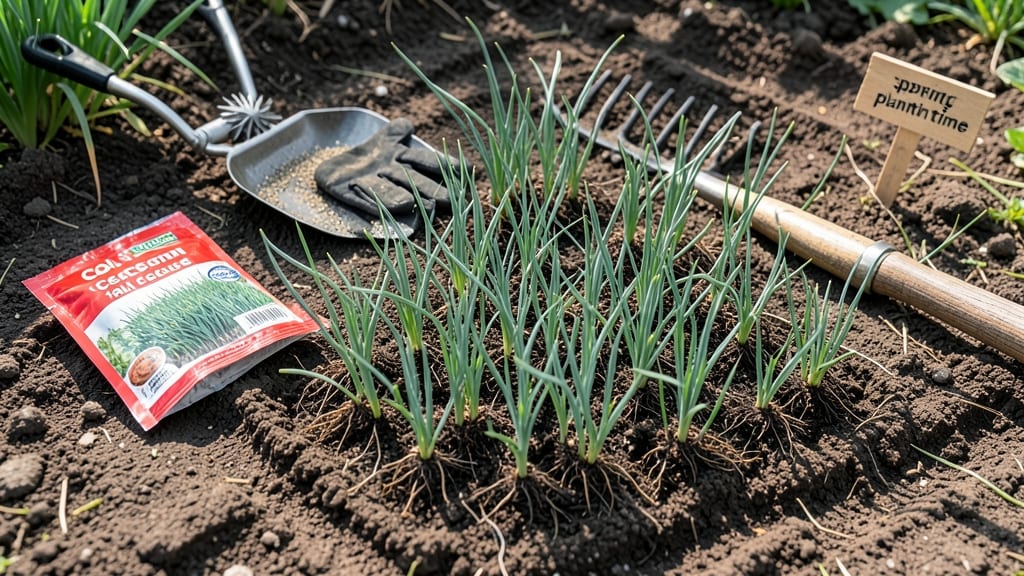
Planting your cool season grass 🌱 at the wrong time in spring can mean the difference between a lush, vibrant lawn and a patchy, frustrating mess.
The key isn't just about timing—it's about understanding when the soil is warm enough to support fast germination while avoiding the sneaky risks of late frost that can undo all your hard work.
Most gardeners in Zone 6 default areas like yours think early spring is the only option, but that's where many make their first mistake. The truth? Waiting until soil temperatures hit 50-65°F—not air temperature—is the real game-changer for root establishment.
I'll show you exactly how to check this without fancy tools, so you can plant with confidence and skip the guesswork.
What happens if you plant too early? Seeds rot in cold soil, wasting your time and money. Too late, and you miss the ideal window for deep root growth before summer heat sets in.
The solution? A simple 4-week buffer strategy that adjusts for your microclimate—whether you're dealing with a chilly valley or a warmer urban heat island.
Ready to transform your lawn game? I'll walk you through the exact steps to prepare your soil, choose the right seed, and protect your new grass from frost—so you can enjoy a thick, green carpet by summer without the stress. Let's get started.
Ideal soil temperature ranges for cool season grass germination in spring
Cool-season grasses like tall fescue, ryegrass, and bluegrass thrive when planted at the right soil temperatures. The sweet spot for germination is between 50°F and 65°F—any colder, and seeds struggle to sprout; too warm, and they risk drying out or rotting.
This range ensures consistent moisture uptake while preventing seed rot from lingering dampness.
Why does temperature matter so much? Grass seeds need warmth to activate enzymes that break down stored nutrients, but they also require moisture to germinate. When soil is too cold (below 50°F), seeds remain dormant or rot before sprouting.
Conversely, soil above 65°F can cause seeds to germinate too quickly, leading to weak seedlings that can't compete with weeds or survive heat stress.
Regional variations play a huge role. In northern climates (Zones 3-5), soil may still be chilly in early spring, while southern zones (6-8) can hit ideal temperatures as early as February.
Always check your local last frost date and monitor soil temps for at least 7 days of consistency before planting.
| Condition | Ideal Range | Risk Below/Above | Testing Method |
|---|---|---|---|
| Soil Temperature | 50°F - 65°F | Dormancy/rot (<50°F) or weak sprouts (>65°F) | Digital soil thermometer (4" deep) |
| Air Temperature | 55°F - 70°F | Frost damage (<55°F) or heat stress (>70°F) | Weather app or outdoor thermometer |
| Moisture Level | Consistently damp | Drought stress or seed rot | Finger test (top 2" should feel moist) |
| Planting Depth | ¼" - ½" | Poor germination (too deep) or drying out (too shallow) | Ruler or seed packet guidelines |
To test soil temperature accurately, use a digital soil thermometer buried 4 inches deep—this mimics the depth where most grass roots establish. Check temperatures early morning (before sunlight warms the soil) for the most reliable reading.
If your soil runs below 50°F, wait 1-2 weeks or use black plastic mulch to warm it faster.
Consistent warmth is key to preventing seed rot, a common issue when seeds sit in cold, damp soil too long.
Rot occurs when fungal pathogens thrive in waterlogged conditions below 50°F. By waiting for stable temps, you ensure seeds germinate uniformly and develop strong root systems before facing summer heat.
For northern gardens, aim to plant 4-6 weeks before your last frost date—this gives seedlings time to establish before summer arrives.
In southern climates, you can plant earlier (as early as February), but avoid late spring planting when soil temps creep above 75°F, which stresses young grass.
Pro tip: If your soil is too cold but you're eager to plant, try a seed coating with a mycorrhizal fungus. This helps seeds germinate faster in cooler conditions while improving root health. Always water lightly after planting to settle seeds into the soil without displacing them.
Remember, patience pays off—rushing into planting when soil is too cold leads to patchy germination and weak grass. With the right soil temperature, your cool-season grass will sprout uniformly and establish a lush, resilient lawn ready for summer. 🌱
Spring planting timeline by US climate zones: when to avoid frost risks
Timing your cool-season grass planting is all about beating the last frost date while avoiding soil temperatures that are too cold. In most USDA zones, this means planting 4-6 weeks before your average last frost—but the exact window varies wildly from Zone 3 to Zone 8.
For example, my Zone 5 garden targets early April, while a Zone 7 neighbor plants in late February. Microclimates add another layer: South-facing slopes warm faster, while low-lying areas linger colder.
To simplify, I rely on three key resources: the National Oceanic and Atmospheric Administration (NOAA) frost maps, local cooperative extension services, and a simple soil thermometer (just $15 at garden centers).
These tools reveal that Zone 3 gardeners should wait until mid-May for safe planting, while Zone 8 can start as early as January. The trick? Plant when your soil hits 50-65°F consistently for 5 days—this ensures germination without frost damage.
| USDA Zone | Ideal Planting Window | Last Frost Date (Avg) | 4-Week Buffer Start | Soil Temp Goal |
|---|---|---|---|---|
| Zone 3 | Mid-May to early June | May 15 | April 15 | 55-65°F |
| Zone 4 | Late April to mid-May | May 1 | March 15 | 50-60°F |
| Zone 5 | Early April to early May | April 15 | February 28 | 50-65°F |
| Zone 6 | Late March to April | April 1 | February 15 | 50-60°F |
| Zone 7 | February to March | March 15 | January 15 | 50-55°F |
| Zone 8 | January to February | February 1 | December 15 | 50-52°F |
My 4-week buffer strategy accounts for unpredictable springs. For instance, in Zone 6, I start prepping soil in February (testing pH, adding compost) but hold off on planting until late March—even if the ground looks dry.
This extra cushion prevents seed rot from late frosts or sudden cold snaps. Pro tip: Use a frost-proof seed blanket (like straw mulch) if planting near your zone's cutoff date.
Microclimates throw another wrench into timing. A north-facing slope in Zone 5 might stay cold enough to delay planting until May 1, while a south-facing yard could support planting by March 15.
To test your microclimate, place a soil thermometer in your lawn for 3 days—if temps fluctuate 10°F+, adjust your planting date accordingly. I once saw a 5°F difference between my front yard and back patio!
For late springs (like the 2022 Midwest freeze), I switch to warm-season grass varieties or delay planting until June—yes, it’s risky, but better than wasting seed. Always check the Almanac’s Frost Predictor for your county, and consider row covers if you’re cutting it close.
The goal? Establish roots before summer heat sets in—this ensures your lawn thrives through Zone 3’s brutal winters or Zone 8’s mild winters.
Remember: Cool-season grass needs 60-75 days to establish before winter dormancy. Planting too late means weak roots and winterkill risk. Use this timeline as a guide, but trust your local extension office for hyper-local advice.
And if all else fails, sprinkle seeds in a protected microclimate (like near a south-facing fence) to extend your window by 2-3 weeks.