
Companion Plants
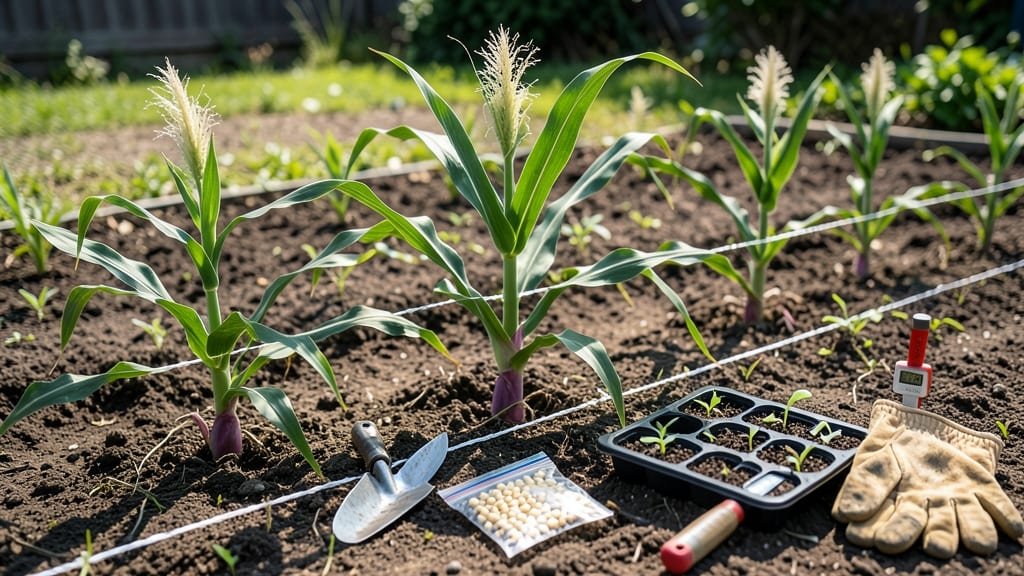
Planting corn in Canada at the wrong time can turn your 🌽 dreams into a frost-killed disappointment—because this warm-season crop needs precise timing to thrive.
Whether you're in southern Ontario or Alberta, getting the soil temperature and last-frost dates right makes all the difference between a bountiful harvest and wasted effort.
I’ve learned the hard way that corn won’t germinate in cold soil, no matter how eager you are to see those first shoots. The key is waiting for the ground to warm to at least 10°C (50°F), which typically aligns with your region’s frost-free window.
Let me break down exactly when to plant in each zone so you can avoid common mistakes that ruin harvests.
From early May in southern Ontario to late June in the Prairies, planting dates vary wildly across Canada. We’ll cover how to adjust for short growing seasons, choose the right corn varieties, and use tricks like black plastic mulch to give your plants a head start.
Ready to grow corn that actually matures?
By the end of this guide, you’ll know exactly when to plant for your specific location—and how to give your corn the best shot at success, even in Canada’s unpredictable climate. Let’s get those seeds in the ground at the perfect moment.
Canada’s frost-free zones and ideal corn planting dates by region
Corn thrives in warm soil and struggles with late frosts, making timing critical across Canada’s diverse climates. The last frost date varies dramatically from Zone 2 in the Prairies to Zone 9 in southern Ontario and BC’s coastal regions.
Planting too early risks frost damage, while waiting too long shortens the growing season. Let’s break down the ideal planting windows by region to ensure your corn reaches maturity.
Corn seeds won’t germinate until soil temperatures reach 15°C (59°F), typically occurring 2-4 weeks after your region’s last frost. In colder zones, this means waiting until late May or June, while southern regions can start as early as mid-April.
Always use a soil thermometer to confirm—cold soil is the #1 reason corn fails in Canada. Below is a region-by-region guide with last frost averages and planting windows for early, mid, and late varieties.
🌽
In Zone 2–3 (Northern Ontario, Prairies), corn is a high-risk crop due to short seasons. Focus on early-maturing varieties (60–75 days) like 'Ambrosia' or 'Golden Bantam'. For Zone 6–9, longer-season varieties (90–110 days) thrive, but always plant after Memorial Day to avoid frost.
Pro tip: Use a soil warming mat in cold regions to jumpstart germination by 1–2 weeks.
Regional microclimates matter! Coastal BC’s milder winters allow earlier planting, while inland areas may need to wait until mid-June. Monitor local weather forecasts and adjust your planting date if late frosts are predicted.
For example, Toronto’s last frost average is May 10, but 2020 saw frost as late as June 5—plan accordingly.
🌡️
Corn planted too early in Zone 4–5 often suffers from blackened leaves or stunted growth due to cold soil.
To mitigate this, use black plastic mulch or straw mulch to raise soil temperatures by 5–10°C. In Zone 7+, you can even try succession planting: sow seeds every 2 weeks from May to July for staggered harvests. Just ensure each batch has 9
How to adjust corn planting for early vs. late varieties in cold climates
Choosing between 90-day early varieties and 110-day late varieties can drastically impact your corn harvest in Canada’s short growing season. Early varieties mature faster but often produce smaller ears, while late varieties yield more but require perfect timing to avoid frost damage.
The key is balancing maturity dates with your region’s frost-free window.
In colder regions like Zone 3-4, opt for 90-day varieties like 'Early Sunglow' or 'Golden Bantam'. These mature in about 2-2.5 months, giving you a reliable harvest before early fall frosts.
For warmer areas like Zone 5-6, 110-day varieties such as 'Silver Queen' or 'Peaches and Cream' offer larger yields but need precise planting to avoid late-season frost risks.
Here’s how to extend your growing season for both types:
| Factor | 90-Day Varieties | 110-Day Varieties |
|---|---|---|
| Best For | Cold regions (Zones 2-4) | Warmer regions (Zones 5-9) |
| Planting Time | Late May - early June | Mid-May - late May |
| Yield Trade-Off | Smaller ears, faster harvest | Larger ears, risk of frost |
| Season Extension Tips | Row covers + black plastic mulch | Succession planting + cold frames |
| Soil Temp Requirement | 60°F (15°C) minimum | 65°F (18°C) minimum |
For 90-day varieties, use black plastic mulch to warm soil faster and row covers to protect young plants from late frosts. These methods can shave off 1-2 weeks from the growing season, giving you an earlier harvest.
For example, in Zone 3, planting with black plastic in mid-May can create a microclimate warm enough for germination by early June.
With 110-day varieties, focus on succession planting every 2 weeks from late May through June. This staggered approach ensures a continuous harvest window. Pair this with cold frames or hoop houses to extend the season by 3-4 weeks in fall.
In Zone 5, this can push your last harvest into early October.
Always monitor soil temperatures—corn won’t germinate below 50°F (10°C). Use a soil thermometer to confirm readiness. In my Zone 4 garden, I’ve found that waiting until the soil hits 60°F (15°C) for 2 consecutive days ensures reliable germination, even for early varieties.
Balance your choices: 90-day varieties for reliability, 110-day for abundance—but never sacrifice timing for yield. With these adjustments, you can grow corn successfully across Canada’s diverse climates! 🌽