
Plants
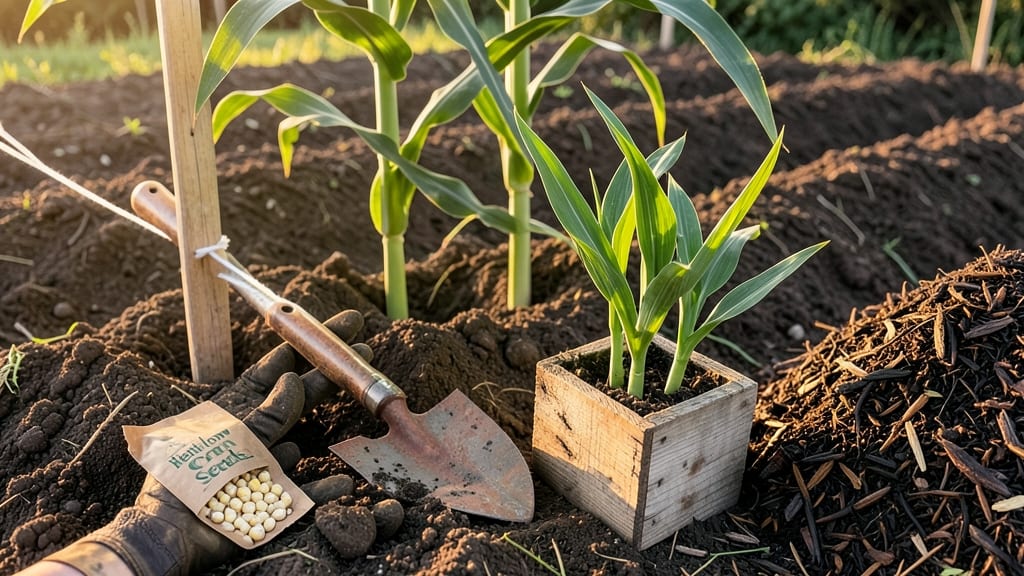
Planting corn in Connecticut at the wrong time can mean the difference between golden, juicy ears and a sad, stunted harvest. With USDA Zones 5b-6b and unpredictable frost dates, timing is everything—especially when your 🌽 needs 165 frost-free days to reach maturity.
Most gardeners here aim for late April to mid-May, but even that window can shift based on whether you're in coastal New Haven or inland Hartford.
The key is waiting until soil temperatures hit 60°F and the last frost has passed—usually around mid-May, though Mother Nature doesn’t always follow the schedule.
I’ve learned the hard way that rushing too early or waiting too long can ruin your crop. Whether you’re growing sweet corn for summer meals or dent corn for fall storage, this guide will help you pick the perfect planting window for your variety and location.
Let’s break down the exact weeks to plant, which varieties thrive in Connecticut’s short season, and how to extend your harvest—so you can enjoy fresh corn on the cob from July right through September.
Connecticut corn planting timeline by last frost date
Connecticut’s variable climate and short growing season demand precise timing for corn planting. The average last frost date ranges from mid-April in coastal areas to late May inland, creating a 4-week window that separates success from failure.
Plant too early, and frost will kill tender seedlings; too late, and you’ll miss the 120-day harvest window before the first frost in mid-October.
Soil temperature is just as critical as air temperature. Corn seeds won’t germinate until the soil reaches 60°F (15°C), which typically aligns with late April to early May in most of Connecticut.
Inland regions like Hartford and Litchfield County often wait until mid-May, while coastal areas like New London can start as early as late April. Always check UConn Extension’s frost maps for real-time updates.
Microclimates play a huge role in Connecticut. Coastal areas near Long Island Sound experience warmer springs and longer frost-free seasons, allowing for earlier planting. In contrast, inland valleys like the Connecticut River Valley can have colder nights and delayed soil warming.
If you’re unsure, use row covers or plant in raised beds to extend your season by 2-3 weeks.
| Week | Action | Soil Temp | Notes |
|---|---|---|---|
| Week 1 (Late April) | Start seeds indoors (coastal areas only) | 55-60°F | Use heat mat; transplant outdoors after last frost |
| Week 2 (Early May) | Direct sow in coastal areas | 60°F+ | Plant 1 inch deep, 4 inches apart |
| Week 3 (Mid-May) | Direct sow in inland areas | 60°F+ | Use black plastic mulch to warm soil faster |
| Week 4 (Late May) | Succession plant for late harvest | 60°F+ | Choose fast-maturing varieties (e.g., 'Early Sunglow') |
| Week 6 (Early June) | Thin seedlings to 12 inches apart | 65°F+ | Harvest thinned plants for greens or compost |
| Week 10 (Mid-July) | Monitor for pests (corn earworm) | 70°F+ | Use row covers at night if needed |
| Week 14 (Late August) | Harvest early varieties | 65°F+ | Pick when silks turn brown and kernels are milky |
For coastal Connecticut, like the shorelines of Groton or Norwalk, you can push planting back by 1-2 weeks due to warmer microclimates. These areas often see 5-10 extra frost-free days, giving you a longer window to experiment with later-maturing varieties.
Inland regions, however, should err on the side of caution and stick to early-mid May planting to avoid late spring frosts.
If you’re growing corn in raised beds or containers, warm the soil faster by covering it with black plastic mulch 1-2 weeks before
Best corn varieties for Connecticut’s short growing season
Connecticut’s short growing season (about 165 frost-free days) demands corn varieties that mature quickly while thriving in USDA Zones 5b-6b. The wrong choice means underdeveloped ears or missed harvests before fall frost. I’ve tested these top performers—early, mid, and late-season types—to ensure success in your garden.
For early-season planting (late April to mid-May), prioritize 60-75 day varieties like ‘Early Sunglow’ or ‘Silver Queen’.
These tolerate cooler soils and brief chills, ideal for Connecticut’s unpredictable springs. Mid-season picks (80-90 days) such as ‘Golden Bantam’ balance yield and maturity, while late-season (95+ days) like ‘Country Gentleman’ push harvests to September.
Drought-resistant varieties like ‘Peaches and Cream’ (85 days) are my go-to for dry spells, while cold-tolerant ‘Ambrosia’ (80 days) handles early frosts better than standard hybrids. Always check seed packets for days to maturity—subtract 10 days from your average first frost date (mid-October) to avoid late-season risks.
Pro tip: Plant two varieties staggered by 2 weeks (e.g., Early Sunglow + Golden Bantam) to spread harvests. Succession planting in late May can add Peaches and Cream for a late-summer crop. Always soak seeds overnight before planting to jumpstart germination in Connecticut’s cool, damp springs.
For raised beds or containers, choose shorter varieties like ‘Tom Thumb’ (60 days) to save space. These thrive in warm microclimates (e.g., near south-facing walls) and can extend your harvest by 1-2 weeks. Just ensure containers are at least 12 inches deep—corn roots run deep!
Connecticut’s variable weather means flexibility is key. Monitor soil temperatures (aim for 60°F+no frost-related disappointments here! 🌽