
Plants
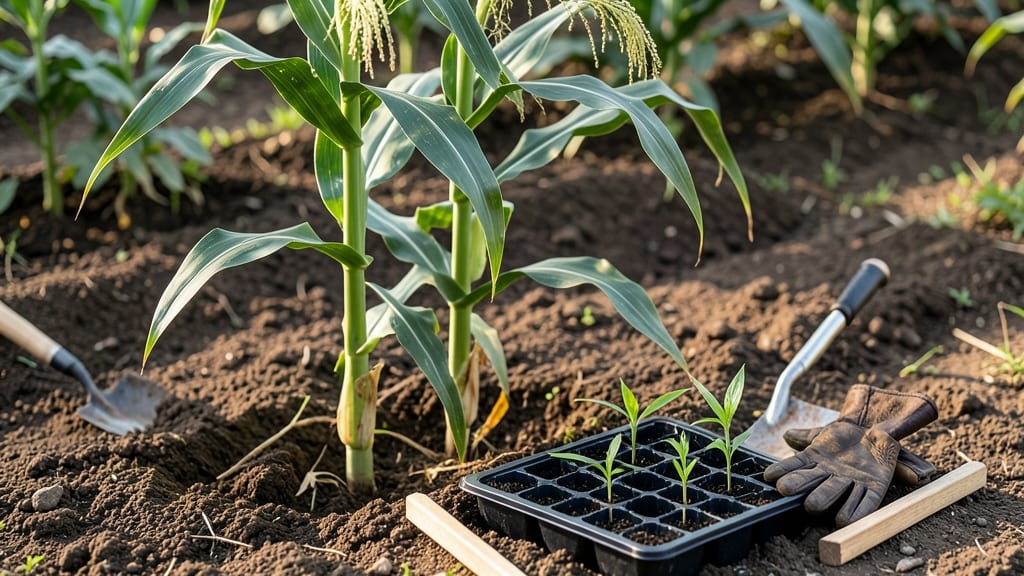
Planting corn in Virginia at the wrong time can mean the difference between a bountiful harvest and a total flop. The state’s shifting climate—from the humid Tidewater coast to the cooler Appalachian highlands—means your planting window isn’t one-size-fits-all.
Whether you’re in USDA Zone 7 or Zone 8, timing is everything to avoid frost damage or stunted growth.
I’ve dug into local agricultural data to pinpoint the exact frost-free dates for each region, so you can plant 🌽 corn with confidence. Coastal areas like Norfolk can start as early as mid-April, while mountain zones like Roanoke might wait until late May.
Missing this window risks your crop never reaching its full potential—or worse, dying back before harvest.
But here’s the good news: with the right variety and a few simple adjustments, you can extend your growing season. Early-maturing corn thrives in shorter summers, while late varieties need Virginia’s longest, hottest days.
I’ll break down the best choices for your county, plus soil prep tips to give your plants the head start they need.
Ready to grow corn that’s tall, sweet, and ready for the cob? Let’s dive into the exact planting schedule for your Virginia heat zone—and how to tweak it for your microclimate. Your future harvest depends on getting this right.
Virginia heat zones and ideal corn planting dates by region
Virginia spans USDA heat zones 5a through 8a, creating dramatic differences in corn planting windows. Coastal areas like Norfolk (8a) enjoy 100+ frost-free days, while mountain regions like Roanoke (6a) face 140+ days of cooler growing conditions.
Understanding these zones helps you select the right corn varieties and timing for your location.
Early-maturing varieties like 'Early Sunglow' (60-70 days) work in Zone 5a, while late-season types such as 'Silver Queen' (90+ days) thrive in Zone 8a. The key is planting when soil temperatures hit 60°F+ and the last frost has passed—typically 2-4 weeks after your average last frost date.
Here’s a breakdown of frost-free windows and ideal planting dates by Virginia’s major regions, including adjustments for coastal, Piedmont, and mountain microclimates:
| Region/Zone | Last Frost Date | Early Corn (60-70 days) | Mid-Season (75-85 days) | Late Corn (90+ days) |
|---|---|---|---|---|
| Coastal (8a) - Norfolk, Virginia Beach | March 15-April 1 | April 15-May 1 | May 1-15 | May 15-June 1 |
| Piedmont (7a) - Richmond, Charlottesville | April 1-April 15 | April 20-May 5 | May 5-20 | May 20-June 5 |
| Valley (6a) - Roanoke, Staunton | April 15-May 1 | May 5-20 | May 20-June 5 | June 5-15 |
| Mountains (5a) - Bristol, Abingdon | May 1-May 15 | May 20-June 5 | June 5-20 | June 20-July 5 |
*Adjust dates 1-2 weeks earlier for warmer microclimates (e.g., south-facing slopes) or later for cooler pockets (e.g., valleys).
In Zone 8a (coastal Virginia), you can even plant succession crops every 2 weeks through early June for a continuous harvest.
For example, 'Peaches and Cream' (85 days) planted on May 15 will mature by August 15, while a second planting on June 1 yields ears in early September.
Mountain regions like Zone 5a demand early-maturing varieties to avoid fall frosts. Stick to 60-70 day types like 'Golden Bantam' and plant no later than June 1 to ensure harvest before October 15, when nighttime temps drop below 50°F.
Soil temperature is more critical than air temperature for corn germination. Use a soil thermometer to confirm 60°F+ at 4-inch depth before planting. In Zone 7a, this often means waiting until mid-May even if frost risk has passed.
For Piedmont growers, combine planting dates with black plastic mulch to warm soil faster. Lay mulch 2-3 weeks before your target planting date to create a 5-10°F warmer microclimate, letting you plant 1-2 weeks earlier without frost risk.
Always check your local Virginia Cooperative Extension office for county-specific frost data. For example, Lynchburg (7a) averages April 10 for last frost, but Blacksburg (6a) often sees frost until May 5. These nuances can mean the difference between a bountiful harvest and failed germination.
Pro tip: Plant corn in blocks, not rows, to ensure cross-pollination and better ear development. For Zone 6a-7a, aim for 4-6 plants per block with 12-inch spacing between plants and 30-inch rows.
🌽
How to adjust corn planting for Virginia’s microclimates and soil types
Virginia’s microclimates create challenges for corn growers—what works in coastal Hampton Roads fails in mountainous Southwest Virginia. Soil drainage and elevation further complicate timing. The key is adapting your planting window based on local frost patterns and soil conditions.
In cooler zones, black plastic mulch can warm soil by 10-15°F, while row covers protect tender seedlings from late frosts.
Start by testing your soil’s drainage rate. Corn roots need oxygen, so heavy clay soils should be amended with compost or sand before planting. In low-lying areas, poor drainage leads to root rot—especially for late-season varieties.
Elevation matters too: mountain counties like Lee or Wise have shorter growing seasons than Tidewater’s Norfolk or Virginia Beach, where coastal breezes delay frost.
🌱 Numbered Highlights: Adjusting Corn Planting in Virginia
- 1. Coastal Zones (5b-7a): Plant early varieties (60-70 days) by April 15-May 1—cooler maritime air delays soil warming.
- 2. Piedmont (6a-7b): Aim for May 10-25 with mid-season corn (75-85 days); use black plastic mulch to add 2 weeks to the growing season.
- 3. Mountain Regions (5a-6a): Wait until May 25-June 10 for short-season varieties (60-70 days); protect with row covers until soil reaches 60°F.
- 4. Heavy Clay Soils: Plant 1 week later than recommended—corn needs warm, well-draining soil to germinate; amend with organic matter before sowing.
- 5. High-Elevation Gardens: Choose dwarf varieties (4-5 ft) like ‘Early Sunglow’; these mature in 60 days and tolerate cooler temps better than standard corn.
For soil temperature adjustments, use a soil thermometer—corn seeds need 50°F+ for germination, but roots thrive at 60-70°F.
In cooler microclimates, like the Blue Ridge Mountains, delay planting until after the last frost (typically May 15) and opt for early-maturing hybrids like ‘Silver Queen’ or ‘Peaches and Cream’.
Black plastic mulch isn’t just for warmth—it also suppresses weeds and retains moisture, critical in Virginia’s variable rainfall. Lay it down 2 weeks before planting to let it heat the soil.
In sandy soils (common in Southside Virginia), mulch helps retain 10-15% more moisture, reducing irrigation needs by 30%. Always remove mulch 2 inches from plant stems to prevent rot.
If your garden sits in a frost pocket (common in valleys), plant corn on south-facing slopes where sunlight hits earlier. For extra protection, use floating row covers until plants reach 12 inches tall. Remove covers during the day to avoid overheating—corn needs full sunlight to develop properly.
In humid coastal areas, ensure good airflow to prevent corn smut, a fungal disease that thrives in damp conditions.
Finally, monitor your local agricultural extension service for frost alerts. In Zone 6a (e.g., Roanoke), late frosts can hit as late as May 10, while Zone 7b (e.g., Richmond) rarely sees frost after April 15.
Adjust your planting timeline 1-2 weeks earlier if your area has a history of unpredictable frosts—better to delay slightly than risk losing your crop to a late freeze. 🌽