
Plants
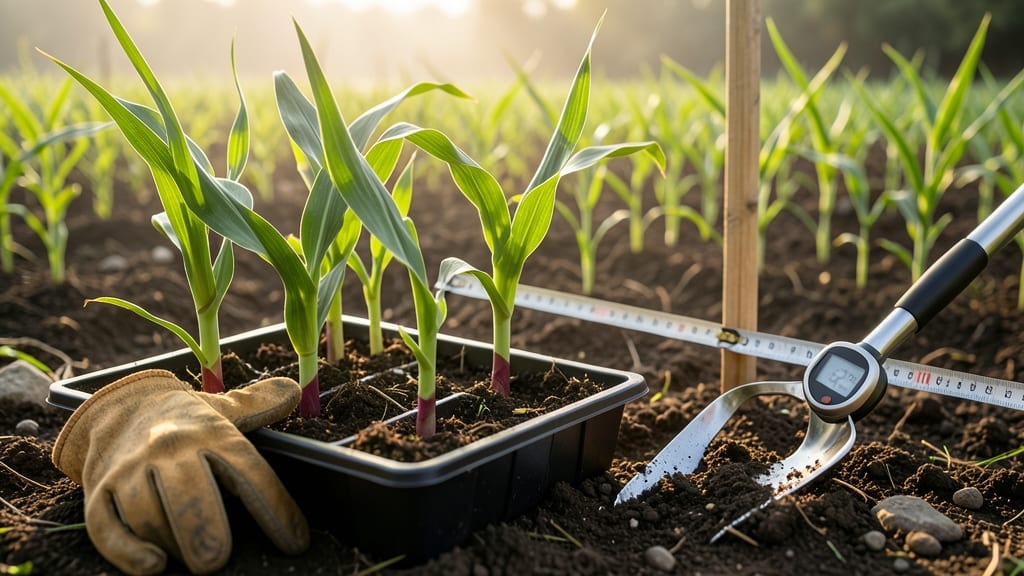
Timing your 🌽 corn planting just right in Zone 5b is the secret to avoiding frost damage and enjoying sweet, tender kernels by late summer. Plant too early, and those delicate seedlings won’t survive the late frosts that can still sneak in through May.
But wait too long, and your growing season might cut harvest time short.
Most gardeners in Zone 5b plant their 🌽 corn after the last frost—typically between mid-April and early June—but the key isn’t just the calendar. Soil temperature matters just as much: seeds need to hit at least 60°F to germinate properly.
That means checking the ground (not just the air) before you drop those kernels in.
Here’s what you need to know: the right variety, soil prep tricks, and how to stretch your growing season for a bigger harvest. Whether you’re a first-time gardener or a seasoned pro, these Zone 5b-specific tips will help you avoid common mistakes and maximize your yield.
Let’s break it down—so you can go from planting to harvest with confidence, and maybe even share some of that fresh corn with neighbors before the season ends.
Optimal soil temperature and planting dates for Zone 5b corn
Corn thrives in Zone 5b when planted at the right time—typically after your last frost date (May 10) and when soil temperatures hit 60°F. The 60-85°F range is ideal for germination and growth, so timing is everything to avoid stunted plants or frost damage.
In my experience, waiting too long can shorten the growing season, while planting too early risks cold snaps ruining tender seedlings.
Your frost-free window (160 days) in Zone 5b means you’ll need to choose between early-maturing varieties (60-70 days) for spring planting or slightly later varieties if you extend your season.
For example, 'Early Sunglow' (70 days) is perfect for late April plantings, while 'Silver Queen' (85 days) works better for mid-May starts to ensure harvest before frost.
| Planting Window | Soil Temp (°F) | Variety Type | Days to Maturity | Heat Tolerance |
|---|---|---|---|---|
| Late April - Early May | 60-70°F | Early (Sweet) | 60-70 days | Moderate |
| Mid-May - Early June | 70-85°F | Mid-Late (Field) | 85-100 days | High |
| June (Succession) | 65-80°F | Early (Popcorn) | 70-80 days | Moderate |
For early spring plantings (late April), focus on heat-tolerant varieties like 'Peaches and Cream' or 'Bodacious', which handle cooler soils better. These varieties mature in 70-80 days, giving you a harvest by late August before early frosts hit.
If you’re planting in mid-May or June, opt for longer-season varieties like 'Country Gentleman' (100 days) to maximize your yield.
Always check your local frost dates—they can vary by 1-2 weeks even within Zone 5b. I’ve found that planting 1-2 weeks after the average last frost gives seeds time to germinate without risking cold damage.
Use a soil thermometer to confirm temps—corn seeds won’t sprout below 50°F, but 60°F+ is ideal for consistent germination.
If you’re worried about late frosts, consider row covers or black plastic mulch to warm the soil faster. I’ve had great success with black plastic laid down 2 weeks before planting—it raises soil temps by 10°F+ and speeds up germination.
Just remove the mulch once plants are 6 inches tall to avoid overheating.
For succession planting, sow a second crop in early June using fast-maturing varieties like 'Ambrosia' (70 days). This ensures a late-summer harvest when early crops are done. Just be sure to choose varieties with shorter maturity times to avoid frost before harvest.
Heat waves in Zone 5b can stress corn, especially in July and August. To combat this, I recommend drip irrigation to keep roots cool and mulch with straw to retain moisture.
Varieties like 'Pioneer 39T34' are bred for heat tolerance and perform well in 85°F+ soils, making them ideal for late plantings.
Finally, don’t forget to test your soil pH—corn prefers 6.0-7.0. In my garden, amending with compost or lime before planting boosts yields by 20-30%. Pair this with balanced fertilizer (10-10-10) at planting and again when tassels emerge, and you’ll be rewarded with plump, sweet kernels every time.
Timing your corn planting in Zone 5b is all about balancing soil warmth, frost risk, and variety selection. With the right approach, you’ll enjoy a bountiful harvest from late summer through fall—just in time for fresh corn on the cob! 🌽
How to extend your corn growing season in Zone 5b
Zone 5b's short growing season can feel like a challenge for corn lovers, but with the right strategies, you can stretch your harvest window and enjoy sweet kernels well into fall.
The key lies in combining cold-hardy varieties, protective row covers, and smart planting techniques to avoid early frost damage and bolting. I’ve found that even in cooler climates, you can push your corn’s potential with just a few adjustments.
One of the biggest mistakes I see is planting only one variety and hoping for the best. Instead, I recommend using a mix of early-maturing corn (60-70 days) and mid-season varieties (70-85 days) to stagger your harvest.
This way, you’re not putting all your eggs in one basket—and you’ll have fresh ears for weeks instead of just a few days. For Zone 5b, varieties like ‘Early Sunglow’ or ‘Ambrosia’ are my go-tos for their reliability in cooler conditions.
🌱 5 Proven Ways to Extend Your Corn Season in Zone 5b
- 1 Use row covers (like floating fabric) to protect seedlings from late frosts and extend the growing window by 2-3 weeks. Remove covers when plants reach 6 inches tall to avoid overheating.
- 2 Plant succession crops every 2 weeks after the last frost (around May 10 in Zone 5b) to ensure a continuous harvest. Space them 3 feet apart in rows to maximize yield.
- 3 Choose cold-hardy varieties like ‘Bodacious’ or ‘Golden Bantam’, which tolerate cooler soils and shorter days better than standard hybrids. These thrive in 55-60°F soil.
- 4 Warm soil faster by planting near black plastic mulch or using soil warming cables to reach the 60°F threshold 1-2 weeks earlier. This gives seedlings a head start.
- 5 Harvest strategically: Pick early-maturing ears first (60-70 days) to free up space for later varieties. Use a sharp knife to cut stalks at the base to avoid damaging the plant.
Another trick I’ve had success with is succession planting in late June for a fall harvest. While corn typically bolts in heat, Zone 5b’s cooler evenings can actually work in your favor if you choose the right variety.
Plant ‘Country Gentleman’, a 100-day variety, in late June to avoid the worst heat and still get a harvest before the first frost (October 1). Just be sure to water deeply every 2-3 days to prevent drought stress, which can trigger bolting.
Don’t overlook the power of row covers either. I use lightweight floating fabric to protect young seedlings from unexpected late frosts, which can still hit Zone 5b into early June. Once plants are 6 inches tall and have developed 4-5 leaves, remove the cover to prevent overheating.
This simple step can add 2-3 extra weeks to your growing season without extra effort.
Finally, pay attention to soil temperature—not just air temperature. Corn seeds won’t germinate well in soils below 60°F, even if the air is warm. Use a soil thermometer to monitor conditions and wait until the soil consistently stays above 60°F for 24 hours.
If your soil is slow to warm, try planting in a south-facing bed or near a dark-colored mulch to absorb and retain heat.
With these strategies, I’ve extended my corn harvest from just a few weeks to nearly 3 months in Zone 5b. The secret? Planning ahead, choosing the right varieties, and being ready to adapt when Mother Nature throws a curveball.
Now go ahead and enjoy those sweet, tender ears well into fall! 🌽