
Plants
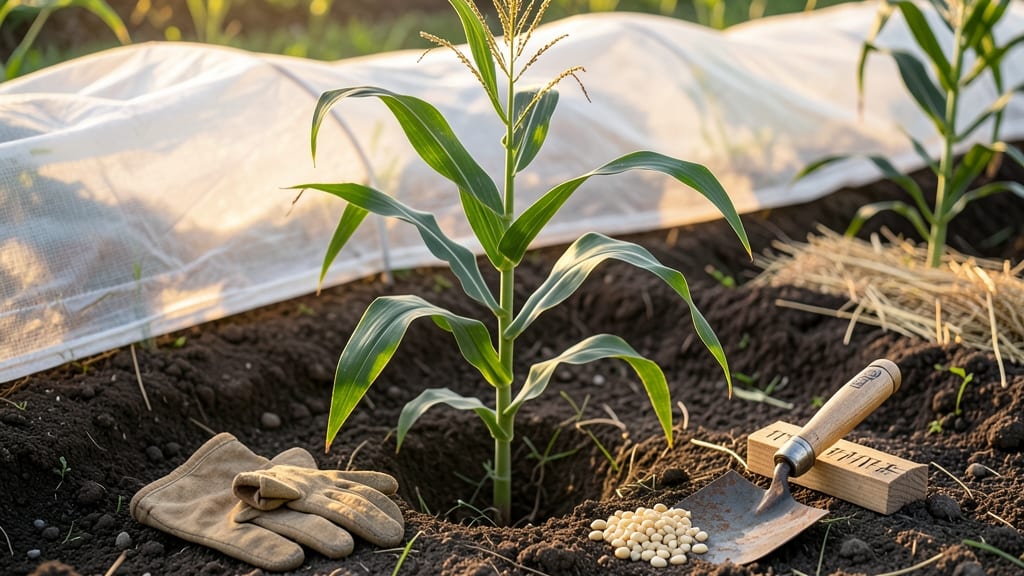
Planting corn in Iowa isn’t just about dropping seeds in the dirt—it’s about catching that narrow window when soil warms up and frost fears fade for good. Skip the guesswork, and you could lose your entire crop to late frosts or stunted growth.
The key? Waiting until soil hits 60°F and counting 2 weeks after your last frost date—because Iowa’s spring weather is as unpredictable as a tornado warning.
I’ve seen firsthand how even a 5-day delay can mean the difference between a bumper harvest and a sad patch of wilting seedlings.
That’s why I’m breaking down the exact frost zones in your area (yes, even within Iowa, it varies!) and the foolproof soil temperature rule that Iowa State University Extension recommends. No more planting blindly—just science-backed timing for 🌽 that thrives.
But here’s the catch: your corn variety matters, too. Early-maturing hybrids can handle a push in April, while late-season types need June’s warmth. I’ll walk you through how to match your seeds to your zone—and when to grab that trowel without second-guessing. Ready to plant with confidence? Let’s get started.
This isn’t just theory; it’s what’s worked for Iowa farmers for decades. We’ll cover soil prep, seed spacing, and even how to read the weather like a pro. Skip the trial-and-error—your future corn cobb will thank you.
Iowa corn planting dates by frost Zone: when soil and air align
Iowa’s USDA frost zones—primarily 5a and 5b—dictate the perfect window for planting corn (Zea mays). But frost dates alone aren’t enough; soil temperature is the real game-changer.
According to the Iowa State University Extension, corn seeds need 50°F soil to sprout, but optimal germination happens at 60°F or warmer. Waiting for 100°F soil at 4-inch depth ensures rapid, uniform growth—a rule backed by decades of local data.
Northern Iowa (Zone 5a) typically sees its last frost around April 20–May 5, while southern regions (Zone 5b) average April 10–25. However, planting too soon risks frost damage to young seedlings.
The key? Plant 2 weeks after the last frost and when soil hits 60°F. This dual check prevents both cold snaps and slow, uneven germination.
Here’s the critical insight: Soil warms faster than air. A 70°F air temperature might feel perfect, but if your soil is still 55°F, seeds will rot. Use a soil thermometer (available at garden centers for ~$10) to verify.
Iowa State recommends planting mid-April to early June, but adjust based on your zone and weather trends.
For early varieties (e.g., ‘Early Sunglow’), aim for April 15–May 1 in Zone 5b or May 1–15 in Zone 5a. Late varieties (e.g., ‘Black Aztec’) can wait until late May, but don’t push past June 10—corn needs 90–120 days to mature, and late planting risks frost before harvest.
🌽 Pro Tip: If you’re in Zone 5a and soil is slow to warm, consider black plastic mulch to raise temperatures by 5–10°F. This is a game-changer for northern Iowa growers.
Now, let’s break down the exact planting windows by zone, including soil temp targets, frost risks, and ideal hybrids for each area.
| USDA Zone | Avg. Last Frost | Soil Temp for Planting | Recommended Planting Window | Best Corn Varieties | Frost Risk After Planting |
|---|---|---|---|---|---|
| Zone 5a (North) | April 20–May 5 | 60°F+ (4" depth) | May 1–15 (primary) May 16–31 (secondary) |
‘Early Sunglow’ (85 days) ‘Golden Bantam’ (75 days) |
High (late May frost possible) |
| Zone 5b (Central) | April 10–25 | 60°F+ (4" depth) | April 15–May 1 (early) May 1–15 (primary) |
‘Silver Queen’ (90 days) ‘Country Gentleman’ (100 days) |
Moderate (rare after May 10) |
| Zone 6a (South) | April 1–15 | 55°F+ (4" depth) | March 30–April 15 (early) April 15–May 1 (primary) |
‘Peaches and Cream’ (95 days) ‘Kandy Korn’ (110 days) |
Low (minimal risk after April 15) |
Notice how Zone 5a growers should wait until May to avoid frost, while Zone 6a can start as early as late March if soil is warm. This variability is why soil temperature trumps air temperature.
For example, a 70°F day in early April might feel safe, but if your soil is 45°F, seeds will fail to germinate.
Iowa State Extension also recommends planting in blocks (not rows) to stagger maturity and reduce pest pressure. Space seeds 1 inch deep, 6–12 inches apart, with 30-inch rows.
Thin seedlings to 12 inches apart once they’re 6 inches tall. This spacing ensures optimal sunlight and airflow, cutting down on fungal diseases like corn smut.
🌡️ Real-World Adjustment: If your soil thermometer shows 55–59°F, delay planting by 1–2 weeks. Corn planted in 50°F soil may take 3+ weeks to emerge, leaving it vulnerable to cutworms and late frosts. Patience here pays off in higher yields.
Finally, don’t rely solely on almanac frost dates
5 Critical factors that determine the Perfect Planting Window in Iowa
Planting corn in Iowa isn't just about avoiding frost—it's about aligning with soil warmth, historical weather patterns, and your corn hybrid's maturity rating. I've learned the hard way that even a week off can mean the difference between a bumper crop and wasted seeds.
Let me break down the five factors that truly determine the ideal planting window for Iowa growers.
First, soil temperature is your most reliable guide. Corn seeds won't germinate properly until the soil reaches 50°F at 4-inch depth, but for optimal growth, wait until it hits 60°F consistently.
I use a soil thermometer every morning to check—this simple tool has saved me from planting too early when false spring warmth tricks me into thinking it's safe.
Here's what you absolutely need to know about perfect planting timing in Iowa:
Soil Temperature Rule
Plant when soil reaches 60°F at 4-inch depth—this ensures 90% germination rate within 7-10 days. Use a soil thermometer daily after last frost to track progress.
Corn Hybrid Maturity
Match your corn's relative maturity (RM) to Iowa's frost-free days. For example, 100-day varieties need planting by May 15 in northern Iowa to mature before frost.
Historical Weather Patterns
Check Iowa State University's 30-year averages for your county. For example, Des Moines averages 165 frost-free days—use this to calculate your latest safe planting date.
Soil Moisture Levels
Corn needs 1-2 inches of moisture weekly after planting. If your soil is too dry, seeds won't germinate properly—wait for 0.5-1 inch of rain or irrigate before planting.
Field Readiness Checklist
Before planting, verify: soil pH 6.0-7.0, no standing water, and weed-free rows. I always do a tread test—if my boots sink in, the soil's too wet.
Adjusting for early vs. late varieties is another key strategy. In my northern Iowa garden, I plant early-maturing hybrids (85-95 days) first in late April, then follow with standard varieties (100-110 days) in early May. This staggered approach ensures I capture the full growing season and maximize yield potential.
Don't forget to consult Iowa State University Extension's planting calendar—they provide county-specific recommendations based on local microclimates. For example, northeast Iowa often has later frost dates than southwest Iowa, so planting windows can vary by 2-3 weeks across the state.
Pro tip: Mark your calendar for May 10-20 as the optimal planting window for most of Iowa. This gives your corn enough time to mature before the first frost, while avoiding the risk of planting too early when soil temperatures fluctuate.
And always have a backup plan—if Mother Nature throws a curveball, be ready to adjust.