
Plants
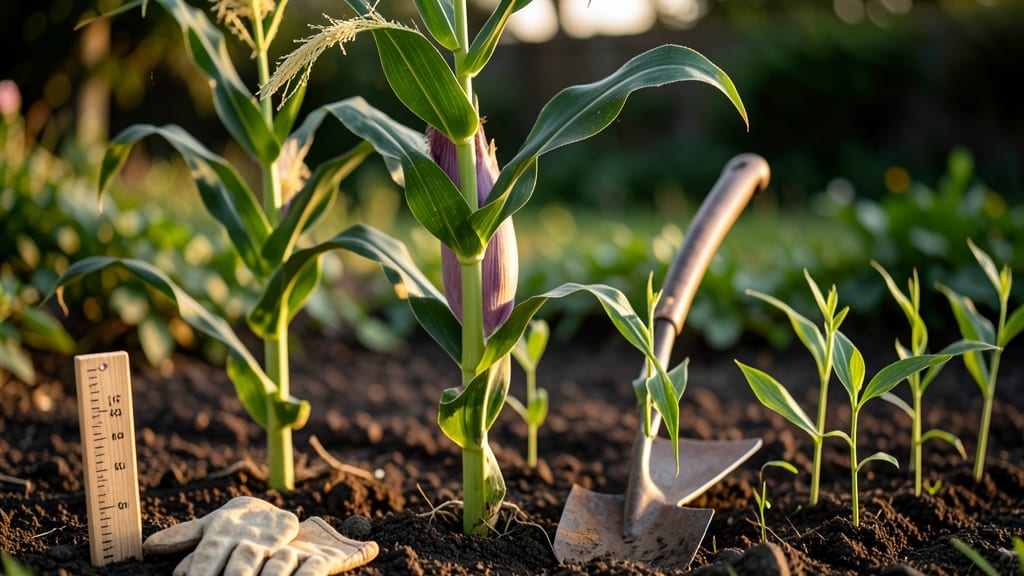
Timing your corn planting in Idaho could mean the difference between a bumper crop of sweet 🌽 and a garden full of frost-nipped disappointment.
With last frost dates shifting from mid-April in southern counties to early May in northern mountain valleys, getting it right requires more than just a calendar check—it's about understanding your specific microclimate.
Most Idaho gardeners know the general rule: plant corn after the soil warms to 60°F and at least 2-3 weeks after your area's last frost. But here's the catch—what works for Boise's Zone 7b might leave northern Idaho's Zone 5b growers scrambling to protect tender seedlings from late frosts.
The key is knowing your county's frost-free window and adjusting for elevation changes that can shift planting dates by weeks.
I'll show you exactly when to put those seeds in the ground across Idaho's diverse regions, plus how to choose corn varieties that thrive in your specific conditions.
Whether you're a first-time gardener or a veteran grower looking to maximize yields, these insights will help you avoid common mistakes and grow corn that's ready for harvest from July through September.
From soil temperature tricks to succession planting strategies, you'll discover practical ways to extend your growing season and protect your investment. Let's get started with the planting schedule that will set your Idaho corn crop up for success.
Idaho corn planting dates by county: frost-free windows for maximum yields
Idaho’s diverse microclimates create unique challenges for corn growers. Southern counties like Twin Falls enjoy warmer springs and longer growing seasons, while northern regions like Coeur d’Alene face cooler temperatures and shorter frost-free periods.
Understanding your local frost dates and heat-unit requirements is key to planting corn at the perfect time for peak yields.
Corn thrives when planted 2-3 weeks after the last frost and when soil temperatures reach 60°F or higher. In Idaho, this typically means mid-April to mid-May for most regions, but elevation and microclimates shift these windows significantly.
For example, Boise’s valley floors warm up faster than mountain valleys like those near Sandpoint, where frost lingers longer.
Here’s a breakdown of ideal planting windows by county, including last frost averages, heat-unit calculations, and recommendations for early vs. late varieties to maximize your harvest.
For southern Idaho counties like Twin Falls and Cassia, where last frosts occur as early as April 1, you can plant early-maturing varieties like Ambrosia or Peaches and Cream by mid-April.
These areas benefit from longer frost-free seasons (up to 180 days), allowing for two successive plantings if spaced 3-4 weeks apart.
In contrast, northern Idaho’s mountain valleys, such as Bonner County, have shorter growing seasons (around 140 frost-free days). Here, short-season varieties like Golden Bantam (60-65 days to maturity) are
How to adjust corn planting time for Idaho’s unique climate challenges
Idaho’s short growing season and dramatic temperature swings demand smart adjustments to your corn planting schedule. In southern Idaho, where summer heat arrives early, you can plant as soon as mid-April—but in northern mountain regions, wait until late May to avoid late spring frosts.
The key is matching your corn variety to your microclimate’s frost-free window.
For high-desert areas like Twin Falls, where soil warms quickly, start seeds indoors 2-3 weeks before your last frost date. In Coeur d’Alene or Sandpoint, where nights stay chilly longer, opt for cold-tolerant varieties like ‘Early Sunglow’ and plant after Memorial Day.
These tweaks can mean the difference between flourishing stalks and wilted seedlings.
- Use black plastic mulch 2 weeks before planting to warm 60°F soil in high-desert zones like Boise.
- Plant succession crops every 2 weeks in June to extend harvests into early September.
- Choose 70-80 day varieties for northern Idaho to avoid early fall frosts.
- Monitor mountain frost pockets with a minimum thermometer to protect late-planted rows.
- Water deeply at dusk during 75°F+ heat waves to prevent silk desiccation.
One of my biggest mistakes was planting standard sweet corn in Pocatello without checking soil temperatures. The 55°F soil stalled germination for weeks. Since then, I’ve sworn by a soil thermometer—corn won’t sprout reliably below 60°F.
For high-altitude gardens above 5,000 feet, like those near Sun Valley, delay planting until after June 1 and select short-season hybrids like ‘Ambrosia.’
Succession planting is your secret weapon for extended harvests. In low-elevation valleys, sow fast-maturing varieties every 10-14 days from late May through early July. This staggered approach ensures you’re pulling fresh ears every 2 weeks until mid-September.
Pair this with drip irrigation to maintain consistent moisture during Idaho’s dry spells.
Don’t overlook windbreaks—Idaho’s open fields can dry out young plants. Plant corn near tall perennial grasses or use burlap wind screens to reduce transpiration stress.
In northern Idaho, where late frosts linger, cover seedlings with frost blankets until danger of frost has passed. These small adjustments can double your yield.
Remember: Idaho’s climate is unpredictable. Always have a backup planting plan—whether it’s a greenhouse for late starts or row covers for frost protection. With these strategies, you’ll turn Idaho’s challenges into corn-growing advantages.