
Plants
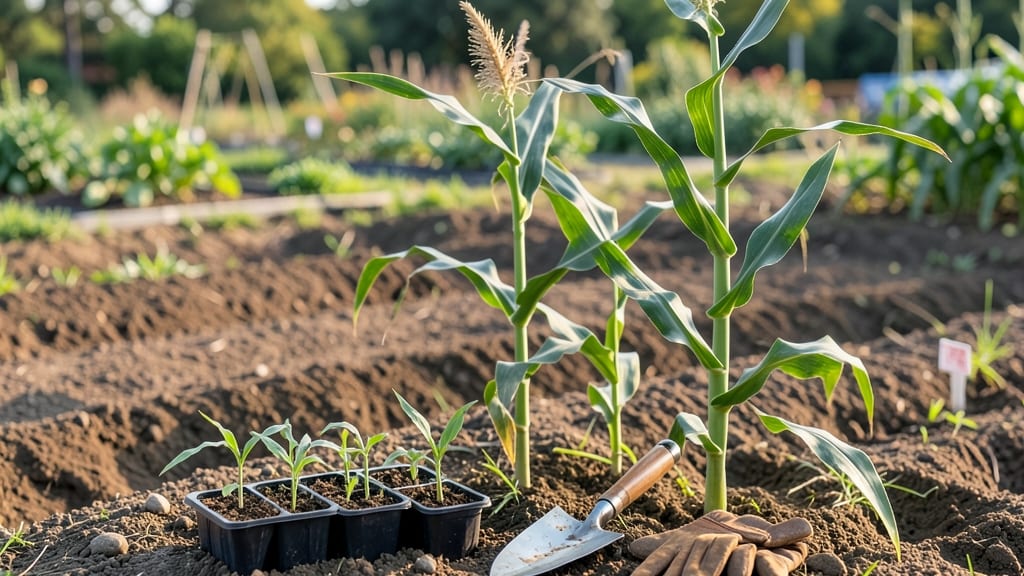
Planting corn in North Carolina at the wrong time can mean the difference between a bumper crop of sweet 🌽 and a disappointing harvest. The ideal window—mid-April to mid-June—aligns with soil temperatures and frost-free dates that give your corn the best shot at thriving in zones 6b-8a.
But here’s the catch: coastal areas like Wilmington and the Piedmont region have different microclimates than the mountains near Asheville. A one-size-fits-all approach won’t cut it—your planting schedule should match your county’s last frost date and soil warmth.
In this guide, I’ll break down the exact planting dates for your corner of North Carolina, plus soil prep tips and adjustments for early or late seasons. Whether you’re growing sweet corn for summer meals or field corn for livestock, timing is the key to success.
Ready to turn your garden into a cornfield? Let’s get started with the dates and strategies that work for your specific location.
North Carolina corn planting dates by county: optimal timing for peak yields
Planting corn in North Carolina requires precision—miss the window, and you’ll struggle with poor germination, disease pressure, or immature harvests. The state’s diverse climate, from coastal USDA Zone 8a to mountainous Zone 6b, means planting dates vary dramatically.
For sweet corn, timing ensures tender kernels, while field corn and popcorn need different maturity windows to thrive.
To simplify, I’ve broken down planting dates by region, accounting for average last frost dates, soil temperature thresholds (60°F+), and local microclimates. Whether you’re in Wilmington’s humid coastal zone or Asheville’s cooler mountains, these guidelines will help you align your schedule with nature’s rhythm.
🌽
| Region/County | USDA Zone | Optimal Planting Window | Soil Temp Threshold | Notes |
|---|---|---|---|---|
| Coastal (e.g., Dare, Craven, Brunswick) | 8a | Mid-March to early May | 60°F+ | Early varieties preferred; risk of hurricane delays in late summer. |
| Piedmont (e.g., Wake, Mecklenburg, Forsyth) | 7a-7b | Late March to mid-May | 60°F+ | Best for mid-season sweet corn (70-day varieties). |
| Mountains (e.g., Haywood, Buncombe, Mitchell) | 6b-7a | Late April to early June | 65°F+ (cooler soils) | Shorten season with early-maturing popcorn (80-day varieties). |
| Sandhills (e.g., Richmond, Scotland) | 7b-8a | Early April to late May | 60°F+ | Well-drained soil critical; avoid late planting (drought risk). |
| Tidewater (e.g., Camden, Chowan) | 8a | Late February to April | 55°F+ (warmer coastal soils) | Extend season with succession planting every 2 weeks. |
For sweet corn, aim to plant when daytime highs consistently reach 70°F+. This typically aligns with 2-3 weeks after your county’s last frost date.
In Zone 8a (coastal), you can start as early as mid-March, while Zone 6b (mountains) may wait until late April to avoid frost damage.
If you’re growing field corn or popcorn, prioritize longer maturity varieties (90+ days) and plant on the earlier end of your region’s window. These types need more time to reach harvest, and late starts risk immature kernels or frost damage before maturity.
Pro tip: Use a soil thermometer to confirm readiness—corn roots struggle below 60°F. In cooler regions like Ashe County, wait until soil hits 65°F to ensure strong germination. Planting too early in cold soils leads to rot or slow growth, wasting your seeds and effort.
For succession planting, stagger seeds every 2 weeks to enjoy continuous harvests. In Zone 7b (Piedmont), this means planting batches from late March through May. This strategy works especially well for sweet corn, which bolts (goes to seed) quickly in hot weather.
🌱
Don’t overlook local weather patterns. Coastal areas may face humidity-related diseases like corn smut, while mountain regions risk late frosts even after the official last frost date. Monitor 10-day forecasts and adjust planting if unseasonable cold is predicted. Flexibility is key—especially when peak yields depend on it.
Finally, remember that corn thrives on consistency. Once planted, maintain 1-2 inches of water weekly and full sun exposure. With the right timing and care, you’ll enjoy homegrown ears from late July through October, depending on your variety and planting date.
How to adjust corn planting dates for North Carolina’s microclimates and soil conditions
North Carolina’s diverse landscapes—from the coastal plains to the mountainous west—create unique growing conditions for corn. While the general rule is to plant after soil warms to 60°F, your exact timing should shift based on elevation, soil type, and local frost patterns.
For example, mountain regions like Asheville may need later plantings, while coastal areas like Wilmington can start earlier due to milder winters.
Soil conditions play a critical role too. Sandy soils in the eastern part of the state warm faster but dry out quickly, while clay-heavy soils in the Piedmont retain moisture longer but can stay cold longer.
Testing your soil’s drainage and pH (ideal: 6.0–7.0) before planting helps you adjust timing and preparation. For instance, amending clay soil with compost can speed up warming in spring.
⚠️ WARNING: Planting Too Early or Late Can Ruin Your Harvest Planting corn when soil temperatures are below 55°F risks seed rot and poor germination. Conversely, delaying too long may result in shorter plants and smaller ears before the first frost.
Use a soil thermometer to confirm readiness—plant only when temps consistently stay above 60°F for at least 5 days. In USDA Zone 7b (common in the Piedmont), this usually means waiting until mid-April to early May, while Zone 8a (coastal) can start as early as late March.
To extend your growing season, consider succession planting or choosing shorter-season varieties like 'Silver Queen' (70 days) for cooler areas. For drought-prone regions, opt for drought-tolerant hybrids like 'Pioneer Brand 39T32' and plant in raised beds to improve soil warming and moisture retention.
Mulching with straw or black plastic can also help regulate soil temperature and conserve water.
North Carolina’s microclimates mean frost dates vary wildly—from mid-October in the mountains to late November along the coast. Use the NC State Extension’s frost-free date calculator to estimate your local window, then count backward from your corn’s maturity date.
For example, if you’re growing 'Bodacious' (85 days), plant by mid-June in the mountains to avoid frost damage. In Zone 7a, aim for late April to early June for a staggered harvest.
For organic growers, incorporate cover crops like clover or vetch over winter to improve soil structure and fertility. These crops also help moderate soil temperature swings. Additionally, plant corn near legumes like beans to fix nitrogen naturally, reducing the need for synthetic fertilizers and supporting healthier, more resilient plants.
This symbiotic relationship can help offset cooler soils and extend your planting window by a few weeks.
Finally, keep an eye on local weather patterns—unpredictable rain or heatwaves can shift your ideal planting window. If a cold snap is forecasted, delay planting until conditions stabilize. Conversely, if you’re in a drought-prone area, prioritize planting after the first spring rains to ensure adequate moisture for germination.
Adjusting your schedule based on real-time data (like NOAA forecasts) can mean the difference between a bountiful harvest and a disappointing yield.