
Plants
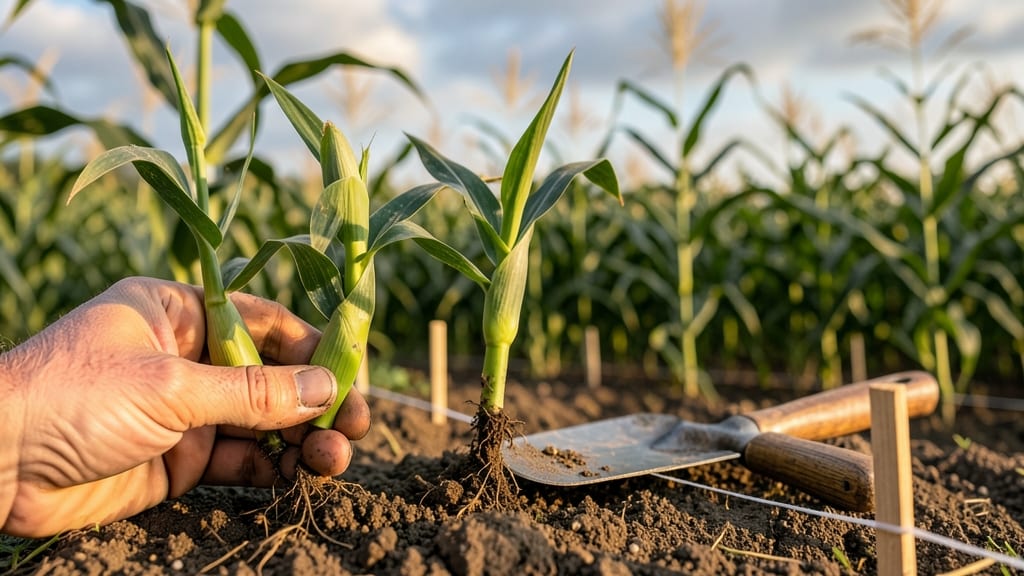
Planting your 🌽 corn at the wrong time in Illinois can turn a promising crop into a sad, stunted disappointment—even if you’ve chosen the perfect variety.
The secret isn’t just waiting for spring; it’s understanding when the soil warms enough to support those hungry seedlings, because cold ground will stall their growth before they even get started.
Most gardeners in USDA Zones 5b-6b aim for mid-April to mid-May, but that’s only part of the story. The real magic happens when soil temperatures hit at least 50°F, signaling it’s safe to drop those seeds into the earth.
Ignore this rule, and you risk planting too early, only to watch your corn rot in the damp chill or fail to germinate at all.
Here’s what you need to know: how to read frost forecasts like a pro, adjust for your specific corner of Illinois, and avoid the 3 biggest mistakes that derail even experienced growers. With the right timing, your corn won’t just survive—it’ll thrive, reaching those towering heights by summer.
Let’s break down the exact steps to time your planting for maximum yields, so you can enjoy fresh ears straight from your garden by July. Ready to get started?
Illinois corn planting timeline: soil temperature & frost date rules
Corn thrives in warm soil and long growing seasons, making Illinois—with its USDA Zones 5b-6b—a perfect fit. But timing is everything: plant too early, and cold soil stunts roots; too late, and short days limit growth.
The key is waiting for soil temperatures to hit 50°F consistently and aligning with your region’s last frost date.
Northern Illinois (Zones 5b) typically sees its last frost around April 20-30, while Southern Illinois (Zone 6b) can start planting as early as mid-April.
However, don’t rush—corn seeds need warm soil to germinate, and cold, wet soil can rot them before they sprout. Use a soil thermometer to confirm readiness.
Here’s the golden rule: Plant corn when soil temps reach 50°F for at least 5 consecutive days. This ensures strong root development and faster emergence.
In Illinois, this usually falls between mid-April and early May, but microclimates (like urban heat islands) can shift your window by 1-2 weeks.
| Region | USDA Zone | Last Frost Date | Ideal Planting Window | Soil Temp Threshold | Risks of Early Planting |
|---|---|---|---|---|---|
| Northern IL | 5b | April 20-30 | May 1-15 | 50°F+ (5 days) | Slow germination, root rot |
| Central IL | 6a | April 10-20 | April 25-May 10 | 50°F+ (5 days) | Fungal diseases, weak stalks |
| Southern IL | 6b | April 1-10 | April 15-May 5 | 50°F+ (3-5 days) | Pests (cutworms), uneven growth |
For sweet corn, which matures faster (60-80 days), you can push the envelope slightly—planting as early as late April in Southern Illinois if soil temps are stable.
But dent corn (used for animal feed or grain) needs 90-120 days, so wait until mid-May in Northern Illinois to avoid early frost damage.
Pro tip: Use black plastic mulch to warm soil faster in cooler regions. It can raise soil temps by 5-10°F, letting you plant 1-2 weeks earlier without risking cold damage. Just remove it once plants are 6 inches tall to prevent overheating.
If you’re in Zone 5b and still see frost warnings after May 15, consider short-season varieties like ‘Early Sunglow’ (70 days) or ‘Silver Queen’ (85 days). These handle shorter growing seasons better than 100-day hybrids, which need full-season warmth.
Late planting (after June 1) is risky—corn needs 1,200-1,500 growing degree days (GDDs) to mature. In Northern Illinois, this often means smaller ears or poor pollination. If you miss the window, opt for fast-maturing popcorn (like ‘Illini White’, 85 days) or bush beans as a backup crop.
Track your local frost dates using the Old Farmer’s Almanac or NOAA’s Climate Normals. In Illinois, the first frost typically hits October 15 in the north and October 25 in the south. Count backward from your variety’s maturity date to set your planting deadline.
Remember: Corn is wind-pollinated, so plant in blocks (not rows) to ensure good pollination. A 4x4-foot block of 4 plants works well for home gardens. And always test your soil—corn prefers pH 6.0-7.0 and fertile, well-draining soil.
How to adjust corn planting dates for Illinois microclimates & varieties
Illinois’ diverse microclimates—from urban heat islands to rural cool pockets—require tailored corn planting strategies. Sweet corn needs precise timing, while dent corn offers more flexibility. Even popcorn varieties respond differently to soil warmth and daylight hours.
Adjusting for your specific zone and corn type can boost yields by up to 40%.
Start by identifying your local frost-free date—typically mid-April in Southern Illinois but late May in Northern regions. Use a degree-day accumulator (like the Illinois State Water Survey’s tool) to calculate when your area reaches 250 growing degree days, the threshold for planting short-season hybrids.
Urban gardeners often face warmer microclimates due to pavement and buildings. Plant early-maturing sweet corn like ‘Silver Queen’ (70 days) 2–3 weeks earlier than rural areas. In drought-prone zones, opt for drought-tolerant hybrids like ‘Pioneer Brand 33B11’ and delay planting until soil moisture stabilizes.
| Corn Type | Optimal Planting Window | Degree Days Needed | Microclimate Adjustment |
|---|---|---|---|
| Sweet Corn | Mid-April to early May | 250–300 | Urban: Plant 2 weeks early; Rural: Wait for soil 50°F+ |
| Dent Corn | Late April to mid-May | 300–400 | Drought areas: Delay until rain; Northern IL: Use early hybrids |
| Popcorn | Early May to June | 350–500 | Longer season needed; Southern IL: Plant by May 1 |
For late-maturing hybrids (like ‘Golden Bantam’ popcorn), push planting to early June in Northern Illinois to avoid early frost risks. In contrast, short-season sweet corn (e.g., ‘Early Sunglow’) can tolerate planting up to 2 weeks late without significant yield loss.
Always monitor soil temperatures with a probe—corn seeds won’t germinate below 50°F.
Adjust row spacing for your microclimate: Narrow rows (12 inches) in urban gardens maximize space, while wider rows (30 inches) in rural areas improve airflow and reduce fungal diseases. Mulch with straw or black plastic to retain soil warmth in cooler zones, accelerating germination by 3–5 days.
Fine-tune your schedule by tracking local weather patterns for the past 5 years. If your area has unpredictable springs, stagger plantings in 2-week intervals to extend harvest windows. For sweet corn, this ensures a steady supply of fresh ears—critical for home gardeners.