
Plants
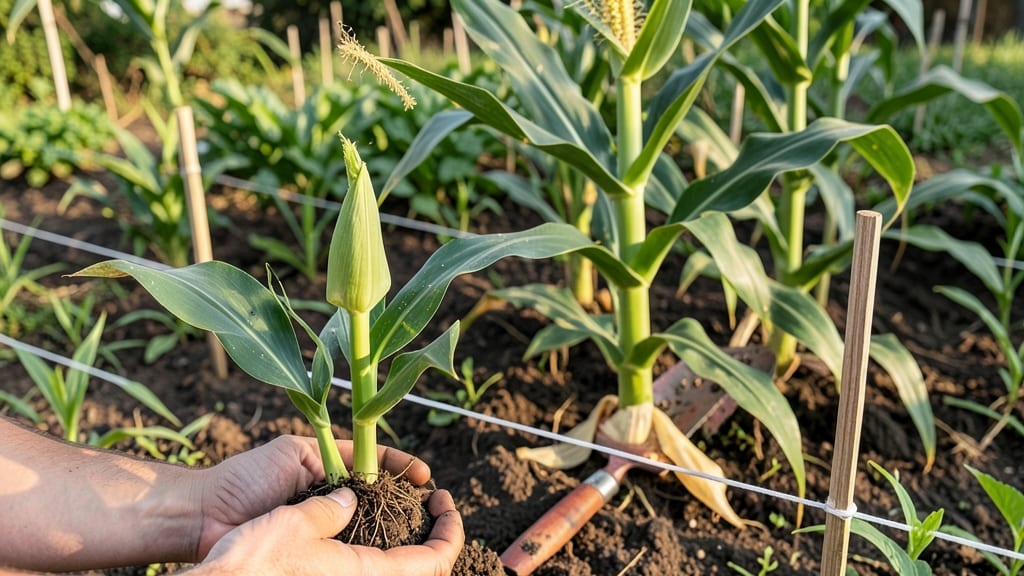
Planting corn in Nebraska isn't just about tossing seeds into the dirt—it's a high-stakes dance with Mother Nature, where timing can make or break your harvest.
The mid-April to early June window exists for a reason: too soon, and frost will turn your tender seedlings into sad, crunchy snacks; too late, and you’ll miss the sweet spot for peak yields.
Here’s the secret most gardeners miss: your corn’s success hinges on soil temperature, not just calendar dates. While 5a-6b zones give you a general idea, Nebraska’s unpredictable spring means you’ve got to dig deeper—literally.
We’ll show you how to read the soil like a pro, so you know exactly when those seeds should hit the dirt for the best start.
Whether you’re growing dent corn for livestock or sweet varieties for the cob, the right timing saves you from wasted effort (and empty pantries). Let’s break down the science behind Nebraska’s frost-free timeline and how to adjust for your specific microclimate—because not all 🌽 fields are created equal.
Ready to stop guessing and start growing like a local? We’ll cover everything from frost dates to soil thermometers, so you can plant with confidence and watch those stalks reach for the sky—just in time for harvest. Let’s get started.
Nebraska corn planting timeline: frost-free dates by region
Nebraska’s diverse climate means corn planting dates vary dramatically from the Panhandle’s arid plains to the East Central’s humid valleys. Understanding your USDA Hardiness Zone and historical frost patterns is key to avoiding frost damage or missed harvests.
The Panhandle (Zone 5a) typically sees its last frost by April 15, while East Central (Zone 6a) gardens can plant as early as mid-April in sheltered areas.
For accurate planning, consult the Nebraska State Climate Office’s frost-free maps or use the USDA Plant Hardiness Zone Map to pinpoint your exact location. West Central Nebraska (Zone 5b-6a) often has a 10-14 day window between the Panhandle and East Central, making soil temperature your best guide.
Early varieties like ‘Golden Bantam’ sweet corn thrive in these shorter seasons, while dent corn varieties need the longer growing season of Zone 6b.
Key takeaway: Plant sweet corn 2 weeks after your last frost date, while dent and popcorn can tolerate slightly later starts. Always verify soil temperatures—corn needs 50–60°F for germination and 60–85°F for optimal growth. Below, I’ve broken down planting windows by Nebraska’s three primary regions to help you align your schedule with local conditions.
In the Panhandle, where drought and wind are constant threats, prioritize early-maturing varieties like ‘Pioneer 34A31’ to avoid kernel abortion from heat stress.
Plant after May 1 to ensure soil warmth, and use black plastic mulch to accelerate heating. East Central gardeners enjoy the longest growing season, allowing for successive plantings every 2 weeks from April to June for a continuous harvest.
For West Central Nebraska, balance is critical. The region’s variable frost dates mean you’ll need to monitor soil temperatures closely.
If your area experiences a late frost in mid-April, delay planting until May 1 to protect tender seedlings. Popcorn varieties like ‘Stowell’s Evergreen’ are ideal here—they mature in 90–100 days, fitting neatly into the shorter window.
Pro tip: Use Nebraska Extension’s Frost Probability Tool to input your zip code and get a 10-day frost forecast. This is especially useful for East Central areas where late frosts can still occur in early May.
Pair this with a soil thermometer to confirm readiness—corn seeds won’t germinate below 50°F, and growth stalls under 60°F.
Adjust your planting strategy based on corn type. Sweet corn needs to be harvested within 2–3 weeks of silk emergence, so plant early varieties first for the earliest harvests. Dent corn, used for animal feed or hominy, can handle later plantings (up to June 1 in Zone 6b) because it matures in 100–120 days. Popcorn falls somewhere in between, typically ready in 80–100 days.
Don’t overlook microclimates within your region. A south-facing slope in West Central may warm up 1–2 weeks earlier than a north-facing valley. Similarly, urban heat islands in cities like Omaha can push frost-free dates 3–5 days earlier than rural areas.
Use these advantages to extend your planting window or stagger varieties for a longer harvest period.
Finally, account for Nebraska’s unpredictable weather. Even in Zone 6b, a late May frost can occur, so have row covers ready.
For sweet corn, this means planting 2–3 varieties with staggered maturity dates to ensure at least one batch survives. Dent and popcorn are more forgiving but still benefit from early starts to maximize yield before the first frost in mid-October.
By aligning your planting with these region-specific timelines and soil temperature guidelines, you’ll minimize risks and maximize your corn harvest—whether you’re growing for silage, sweet ears, or popcorn. Happy planting! 🌽
Soil temperature rules for corn: when to plant based on heat units
Corn is a warm-season crop, and getting the soil temperature right is critical for strong germination and vigorous growth. In Nebraska, where spring can swing from freezing to 80°F in weeks, checking your soil’s warmth is far more reliable than guessing by calendar dates.
The ideal planting window hinges on two key temperature thresholds: 50–60°F for seeds to sprout and 60–85°F for optimal growth. Miss these marks, and you risk stunted plants or delayed harvests.
To measure accurately, use a soil thermometer inserted 4–6 inches deep—this is where seeds will germinate. Morning is the best time to check, as temps fluctuate less. If your thermometer reads below 50°F, wait.
Corn seeds won’t germinate in cold soil, no matter how eager you are to see shoots. Patience here prevents wasted effort and seed money.
🌱
⚠️ Warning: Cold, Wet Soil Kills Corn Seedlings
Planting corn in cold, wet soil (below 50°F) triggers seed rot and fungal diseases. Nebraska’s spring rains can leave soil damp for weeks—always wait for consistent warmth and well-drained beds. Use a soil thermometer for 3–5 days to confirm stable temps before sowing.
Pro Tip: If soil is too wet, mix in compost or sand to improve drainage before planting.
For Nebraska gardeners, degree-day calculators from the University of Nebraska-Lincoln Extension (like their Corn Heat Unit Tracker) are game-changers. These tools convert daily high/low temps into growing degree units (GDU), helping you pinpoint the exact moment your soil hits the 50°F germination threshold.
For example, most Nebraska regions hit this mark between mid-April and early May, but this shifts yearly.
Once seeds sprout, maintain soil temps between 60–85°F for robust growth. Below 60°F, corn struggles to develop strong roots, while above 85°F, it can stress plants—especially in Nebraska’s dry heat.
Mulch with straw or black plastic to stabilize temps and retain moisture, which is crucial in Nebraska’s variable spring weather.
Common mistakes include planting too early (before last frost but in cold soil) or too late (missing the window for full-season varieties). In Nebraska, early varieties (like ‘Golden Bantam’) can tolerate cooler soils, while dent corn needs warmer conditions.
Always match your corn variety to your soil temp data.
🌽