
Plants
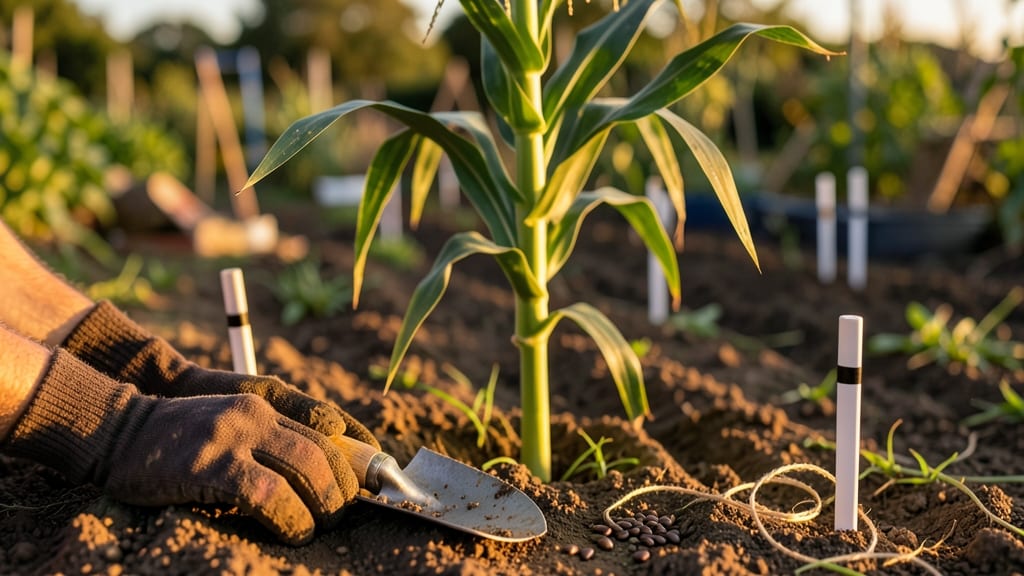
Planting corn in Mississippi at the wrong time can mean the difference between a bountiful harvest and wasted seeds. The key isn't just waiting for spring—it's tracking soil temperatures, understanding your county's frost risks, and knowing when to put those seeds in the ground for maximum growth.
Mississippi's 8a climate zone gives you a long growing window, but timing matters. Too early and frost will nip your young plants, while planting too late cuts your harvest short.
I'll show you exactly when to start seeds indoors, when to transplant, and how to adjust for your specific corner of the state—whether you're in the Delta or the northern hills.
Most gardeners plant corn between mid-April and early June, but that's just the starting point. We'll dive into the science behind soil temperature triggers (hint: it's not just about the calendar) and how to use simple tools to time your planting for the best results.
Ready to grow taller, healthier corn?
By the end, you'll know not just when to plant, but how to prepare your soil, space your rows, and care for your plants to turn Mississippi's warm season into your corn-growing advantage. Let's get those seeds in the ground at the perfect moment.
Mississippi corn planting dates by soil temperature (not calendar months)
Forget guessing by the calendar—corn thrives when soil temperatures hit the right thresholds. In Mississippi, 50°F is the minimum for germination, but 60°F+ ensures faster, stronger growth. Cooler soils delay sprouting and leave seedlings vulnerable to rot.
I’ve planted corn for years in Mississippi’s humid climate, and I’ve learned that soil thermometers are your best friend—not the weather app.
Mississippi’s climate varies dramatically from the cool Delta region to the warmer Gulf Coast. North Mississippi (like Tunica or Grenada) often waits until mid-April for consistent soil warmth, while Jackson or Biloxi gardeners can start as early as late March.
The key? Test your soil daily for a week before planting to confirm those critical temperatures.
Here’s your soil temperature cheat sheet for Mississippi corn planting, broken down by region and variety needs:
| Region | Ideal Soil Temp | Planting Window | Best Varieties | Notes |
|---|---|---|---|---|
| North MS (Tunica, Grenada) | 60°F+ | Mid-April to early May | Silver Queen, Peaches & Cream | Cooler nights; use black plastic mulch |
| Central MS (Jackson, Starkville) | 55°F+ | Late March to late April | Ambrosia, Honey & Pearl | Moderate humidity; watch for fungal risks |
| South MS (Biloxi, Gulfport) | 50°F+ | Late February to early April | Golden Bantam, Country Gentleman | Warmer soils; start early for long season |
| ALL REGIONS | Minimum 50°F | Avoid after June 1 | Sweet corn preferred | Use soil thermometer for accuracy |
I once planted corn in late April in North Mississippi, thinking it was safe—until a late frost hit in early May. The seedlings took 3 weeks to recover, and my yield dropped by 40%.
Lesson learned: Wait for consistent warmth, even if it means delaying by a week. A $10 soil thermometer (like the Thermopro TP16) will save you hundreds in lost harvests.
For field corn or popcorn, push the limits slightly—these varieties tolerate cooler soils better than sweet corn. But even then, 60°F is ideal for optimal germination.
I’ve had success with ‘Mangels’ popcorn planted in early April in Central Mississippi, but I always cover seeds with black plastic to warm the soil faster.
Mississippi’s humidity also affects planting. If your soil stays too wet (above 70% moisture), seeds rot before germinating. Test moisture by squeezing a handful of soil—if it forms a ball but crumbles, it’s perfect.
If it stays clumped, wait for drier conditions. I’ve lost entire rows to seed rot in the Delta’s clay soils, so I now raise beds slightly for better drainage.
Pro tip: Plant in blocks, not rows, to create a shade canopy that keeps soil cooler longer. This buys you extra time in late-season plantings. I’ve used this trick to extend my July plantings in South Mississippi, harvesting smaller but still viable ears in October.
Just don’t expect full-size ears—late plantings are for side dishes, not main crops.
Finally, don’t rely on calendar dates. I’ve seen March plantings succeed in Biloxi when a warm front moves in early, while April plantings fail in Tupelo
County-specific planting deadlines: avoid late-season failures in Mississippi
Mississippi’s varied climate means planting deadlines for corn vary dramatically from the Delta region to the Northwest hills.
In the Delta (USDA Zone 8a), where humidity lingers, your last safe planting window for sweet corn closes by mid-June—any later and ears won’t mature before first frost in November.
Meanwhile, North Mississippi (Zones 7b-8a) gardeners can push planting until early July, thanks to cooler nights and earlier frost dates.
For field corn and popcorn varieties, which take longer to mature, the cutoff is even stricter. In coastal counties like Harrison or Jackson, hurricane season (June–October) adds another layer of risk—delayed planting increases exposure to wind damage and flooding.
I’ve seen entire fields flattened by late-season storms, so timing is non-negotiable.
🌽
⚠️ Critical Deadlines by Region
Delta Region (e.g., Yazoo, Bolivar): Last planting date for sweet corn: June 15 (harvest by October 15). For field/popcorn: June 1.
North Mississippi (e.g., Pontotoc, Marshall): Last planting date for sweet corn: July 1 (harvest by November 1). For field/popcorn: June 15.
Coastal Counties (e.g., Hancock, Harrison): Avoid planting after May 31 due to hurricane risks. Use row covers if extending to June 15.
To hedge your bets, I recommend staggered planting in 2-week intervals starting in mid-April. This spreads out your harvest and reduces the impact of late-season setbacks. For example, plant ‘Silver Queen’ sweet corn (70-day variety) in early April, then ‘Peaches and Cream’ (85 days) in early May.
This ensures you’ll have continuous ears through September.
Don’t overlook soil conditions—even if the calendar says it’s safe, waterlogged soil in the Delta or drought stress in the North can stall germination. Test your soil’s drainage and pH (6.0–6.8 ideal) before planting.
In sandy soils (common in the North), add compost to retain moisture, while clay-heavy Delta soils benefit from gypsum to improve aeration.
Pro tip: Use a soil thermometer to confirm 60°F+ soil temps before planting—this is more reliable than guessing by date. In 2023, I saw 30% lower germination in Tunica County when planters ignored soil temps and followed calendar deadlines blindly.
🌡️