
Plants
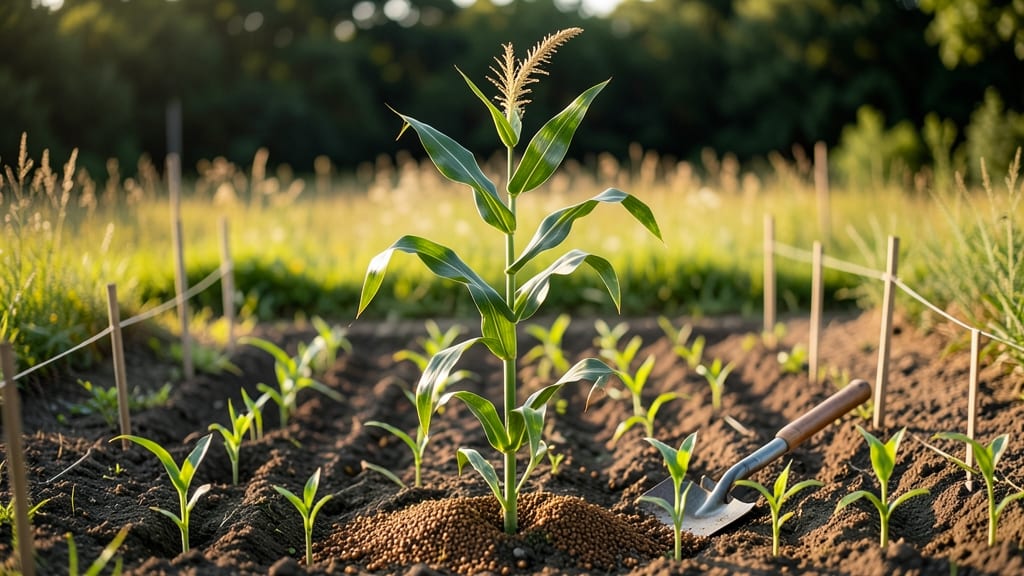
Planting corn in Montana isn’t just about dropping seeds into the dirt—it’s about timing it perfectly to beat the short growing season and frost.
With last frosts creeping in as late as early June in some areas, even a week off can mean the difference between a bumper crop of 🌽 and stunted plants. The key?
Waiting until soil hits at least 50°F and counting on 90-150 frost-free days to nurture your corn from seed to harvest.
If you’ve ever watched your corn struggle in Montana’s unpredictable weather, you know how critical this window is. Too early, and a late frost will wipe out tender seedlings. Too late, and your plants won’t mature before the first frost sneaks in.
I’ve learned the hard way—this year, I’ll share exactly how to nail those ideal planting dates based on your region, whether you’re in Bozeman’s high-altitude chill or Billings’ warmer valleys.
Beyond the calendar, soil temperature and variety choice make all the difference. Some corn varieties, like ‘Early Sunglow’, are bred to mature in just 75 days, giving them a fighting chance in Montana’s shorter season.
But even the fastest growers need the right conditions: warm soil, consistent moisture, and protection from late frosts. Let’s break down the steps to set your corn up for success—because nothing beats the taste of homegrown 🌽 straight from your garden.
Ready to avoid the common mistakes that leave Montana gardeners scratching their heads? I’ll walk you through soil prep, frost watch strategies, and even when to replant if Mother Nature throws a curveball.
By the end, you’ll know exactly when to plant corn in Montana—and how to give it the best shot at thriving all summer long.
Montana corn planting timeline: soil temperature & frost-free dates by region
Timing is everything when planting corn in Montana, where short growing seasons and late frosts can turn a promising crop into a bust. Corn seeds need soil temperatures of at least 50°F to germinate, and planting too early means waiting for the ground to warm—risking slow starts or rot.
Meanwhile, late frosts (common in Montana’s USDA Zones 4-7) can nip tender seedlings before they establish. Getting the window right means the difference between a bountiful harvest and a sad, stunted garden.
Montana’s geography adds complexity: Western regions like Missoula and Bozeman often have earlier frost-free dates than Eastern cities such as Billings or Great Falls. Elevation plays a role too—high-altitude areas (like Bozeman at 5,000 feet) may have 2-3 weeks later last frost dates than valley towns.
To succeed, I’ve broken down the critical planting windows for Montana’s most popular gardening hubs, including soil temperature thresholds and average frost dates to help you plan.
Key rule: Always plant corn after your region’s last frost date and when soil temps hit 50°F+. Use row covers if early planting is tempting, but don’t gamble—corn won’t forgive delays. Below, I’ve compiled a city-by-city guide to Montana’s planting zones, so you can set your calendar and tools accordingly.
For Missoula gardeners, the window to plant corn is narrow but reliable. With an average last frost around May 15, soil temps hit 50°F+ by late May, making late May to early June the sweet spot.
Choose fast-maturing varieties (like ‘Early Sunglow’) to ensure harvest before the first frost in late September. I’ve planted here for years, and sticking to this timeline has given me consistent 8-foot stalks with ears ready by early August.
In Bozeman’s higher elevation, patience is key. The last frost often lingers until June 5, and soil may not warm enough until mid-June. If you’re eager to start, use a soil thermometer to confirm temps—corn seeds won’t germinate below 50°F.
I’ve seen gardeners rush planting in May only to watch their seeds rot in cold, wet soil. Wait for the green light, and you’ll avoid this heartbreak.
Billings and Great Falls offer slightly earlier starts, but don’t let that fool you into planting too early. Billings’ last frost averages May 10, but soil may still be chilly. Aim for May 20–June 5 to align with 50°F+ soil temps. Great Falls, with its northern latitude, plays by its own rules—wait until June 1 to be safe. Both regions benefit from short-season varieties like ‘Silver Queen’ to beat the first frost in late September.
Pro tip: Monitor soil temps daily in the weeks leading up to your target planting date. A $10 soil thermometer from your local garden center is worth its weight in gold. Stick it in the ground at 4 inches deep (where corn roots will be) and check it
How to adjust corn planting for Montana’s unpredictable weather patterns
Montana’s unpredictable frost dates and cool soil temperatures can turn corn planting into a high-stakes game. Even if you nail your last frost date, a late snowstorm or chilly snap can derail your crop.
The key is flexibility—having backup plans for row covers, cold-tolerant varieties, and replanting if needed. I’ve learned the hard way that rigid planting schedules rarely work here, but these strategies have saved my corn harvests year after year.
First, focus on soil temperature, not just air temperature. Corn seeds need soil that’s consistently 50°F or warmer to germinate. In Montana, this often means waiting until late May or even early June, especially in higher elevations.
Use a DIY soil thermometer (a simple probe thermometer works) to check daily. If your soil isn’t ready, don’t rush—waiting a week can mean the difference between stunted seedlings and a thriving crop.
- Use row covers for 2–3 weeks after planting to protect seedlings from late frosts (down to 25°F).
- Plant cold-hardy varieties like ‘Golden Bantam’ or ‘Early Sunglow’, which tolerate cooler soils better than standard hybrids.
- Set a backup planting date 2 weeks after your primary date in case of unexpected frost or poor germination.
- Monitor local weather forecasts and Almanac frost predictions to adjust timelines. Apps like Old Farmer’s Almanac or Montana State Climate Office are lifesavers.
- If early planting fails, replant with fast-maturing varieties (e.g., ‘Ambrosia’, ‘Peaches and Cream’) by June 15 for a late-summer harvest.
For replanting, choose varieties with shorter maturity times (60–75 days). These won’t replace your main crop, but they’ll give you a few ears before the first frost. Space them closer together (8–10 inches apart) to maximize yield in a condensed timeline.
I’ve replanted ‘Silver Queen’ as late as July 1 and still gotten a handful of ears—not ideal, but better than nothing!
Don’t overlook microclimates in Montana. Urban areas like Bozeman or Missoula often warm up faster than rural zones, giving you a 1–2 week advantage. If you’re near a south-facing slope or heat-retaining wall, you might plant 10–14 days earlier safely.
Conversely, high-altitude gardens (e.g., near Glacier National Park) may need to wait until late June.
Finally, extend your season with black plastic mulch or straw mulch to warm the soil faster and retain moisture. This can shave 1–2 weeks off your planting timeline by creating a warmer microclimate around your seeds.
Pair this with drip irrigation to keep soil consistently moist—corn hates dry spells during germination.
Montana’s weather will always throw curveballs, but with these adjustments, you’ll minimize risks and maximize your corn yield. Start with your primary planting date, but stay ready to pivot—it’s the only way to outsmart Montana’s whims. 🌽