
Plants
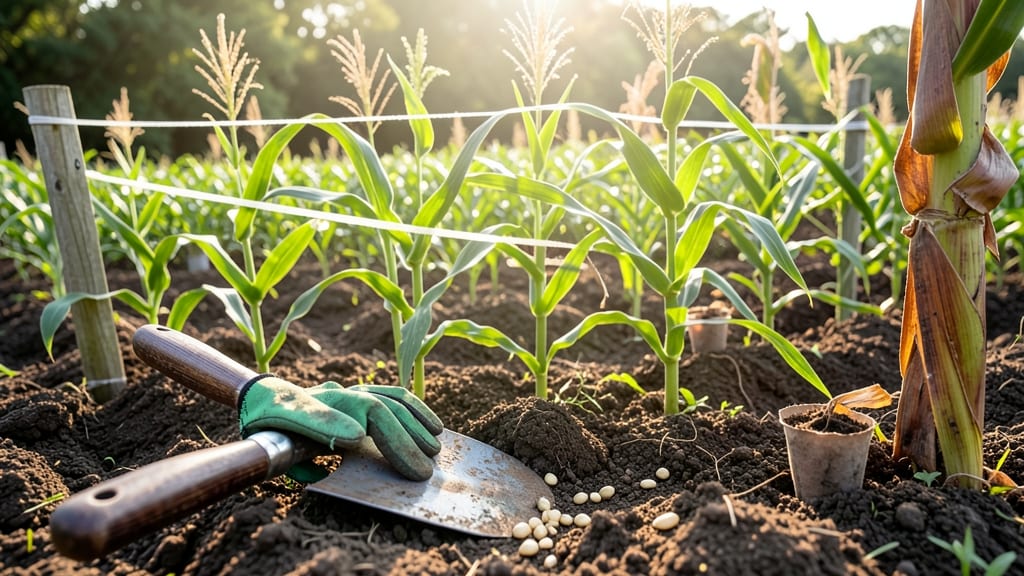
Planting corn in Portland, Oregon, means timing is everything—get it wrong, and you might lose your harvest to late frosts or sweltering summer heat. With USDA Zone 8a conditions and Portland’s microclimates, knowing the exact window can make all the difference for your 🌽 crop.
Most gardeners here aim for mid-April to late May, but urban heat islands and valley zones can shift those dates by weeks. The key is waiting until soil temperatures hit 60°F and the last frost has passed—usually around April 15, though rural areas may run slightly later.
Whether you’re direct-sowing or starting indoors, this guide breaks down Portland’s frost-free timeline by neighborhood. You’ll learn how to adjust for your specific microclimate and choose the fastest-maturing varieties to ensure a bountiful harvest by early October.
Ready to grow sweet, juicy corn? Let’s dive into the exact planting schedule—and pro tips—to guarantee your 🌽 thrives in Portland’s unpredictable summer.
Portland’s frost-free planting windows for corn by microclimate zone
Portland’s diverse microclimates create unique growing conditions for corn. The Willamette Valley enjoys warmer summers, while urban heat islands like downtown can be 5-10°F hotter. Meanwhile, the coastal fringe near the Willamette River stays cooler and more humid.
Understanding these zones helps you align planting with last-frost dates and heat-unit requirements for corn’s success.
Corn thrives with 1,200-1,500 growing degree days (GDD) above 50°F. Portland’s USDA Zone 8a typically offers 165 frost-free days, but microclimates shift these windows. Urban areas gain 10-14 extra days of warmth, while coastal areas lose 7-10 days.
Planting too early risks frost damage, while late planting may result in immature ears before fall frosts.
Here’s how to match your microclimate to the perfect planting window:
For urban heat islands, start planting as early as late April when soil temperatures hit 60°F. These areas benefit from black plastic mulch or clear plastic tunnels to accelerate soil warming. Varieties like 'Golden Bantam' (70 days) or 'Ambrosia' (85 days) thrive here with proper timing.
In the Willamette Valley, aim for mid-April plantings to align with the 1,200 GDD threshold. This zone supports standard corn varieties like 'Silver Queen' (90 days) or 'Peaches and Cream' (85 days). Use a soil thermometer to confirm readiness—corn won’t germinate below 55°F.
Coastal areas near the Willamette River should wait until early May due to slower soil warming. Opt for short-season varieties like 'Early Sunglow' (75 days) or 'Bodacious' (80 days). These tolerate cooler temperatures and still produce 6-8 inch ears by late summer.
Elevated zones like Forest Park face frost pockets, so delay planting until late April and use frost cloth for the first 2-3 weeks. Choose dwarf varieties like 'Tom Thumb' (65 days) to reduce wind exposure.
Monitor weather forecasts for late spring frosts, which can occur as late as May 10 in these areas.
To extend your harvest, consider succession planting every 2 weeks in urban and valley zones. Start with fast-maturing varieties in early May, followed by medium-season types in late May. This staggered approach ensures ears ripen over 6-8 weeks, maximizing your yield before fall frosts.
Always check soil temperature before planting—corn seeds need consistent warmth to sprout. A 3-4 inch deep reading of 60°F+ signals it’s safe to sow. For extra insurance, use row covers or cold frames to protect young seedlings from unexpected chills.
🌽
How to adjust corn planting dates for Portland’s unpredictable weather
Portland’s cool, wet springs and short growing season can turn corn planting into a high-stakes gamble. If you plant too early, late frosts will kill tender seedlings, while planting too late leaves your corn struggling to mature before fall.
The key is flexibility—adjusting your schedule based on soil temperature, microclimate, and variety selection.
Most Portland gardeners aim for mid-April to late May, but urban areas like Downtown or Hillsdale can be 2-3 weeks warmer than cooler zones near the Columbia River Gorge. If your neighborhood runs cold, consider soil warming techniques or fast-maturing varieties to stretch your harvest window.
Here’s a quick breakdown of your options—each with pros and cons—to help you decide what works best for your garden’s conditions.
Adjusting Corn Planting Dates in Portland
✅ Pros
- Soil warming: Black plastic mulch raises soil temps by 10-15°F, extending the growing season.
- Fast varieties: 60-75 day corn like 'Ambrosia' or 'Silver Queen' matures before fall frosts.
- Frost cloth: Protects seedlings if late frosts threaten, allowing earlier planting.
- Succession planting: Stagger seeds every 2 weeks for continuous harvests.
❌ Cons
- Soil warming: Requires setup time and can attract pests like rodents.
- Fast varieties: Often yield smaller ears or less sweetness.
- Frost cloth: Needs removal during pollination to avoid humidity buildup.
- Late planting: Risk of drought stress or ear rot in hot summers.
For urban heat islands, you can push planting dates 1-2 weeks earlier than rural areas. Lay down black plastic mulch 2 weeks before planting to warm the soil—this is especially helpful if you’re in a cooler microclimate.
Pair this with fast-maturing varieties like 'Early Sunglow' (72 days) to ensure harvests before the first frost in mid-October.
If you’re in a coastal fringe area, like West Portland, consider starting seeds indoors under grow lights 4-6 weeks before your target outdoor date. Transplant seedlings when soil temps hit 60°F and nighttime temps stay above 50°F. This gives your corn a head start in cooler conditions.
Don’t forget frost protection! Even if you plant at the ideal time, late frosts can sneak in. Use frost cloth or row covers for the first 2 weeks after planting. Remove them during the day to allow pollination—corn needs direct sunlight and cross-pollination to produce ears.
With these adjustments, you can extend your corn-growing season by 3-4 weeks, ensuring a sweet, plentiful harvest even in Portland’s unpredictable climate. 🌽