
Plants
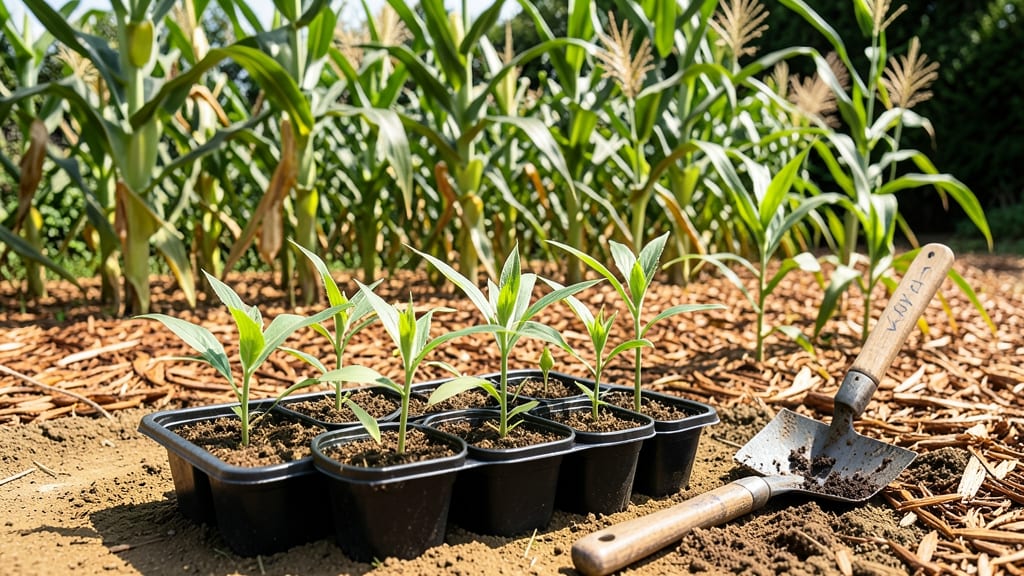
Planting corn in South Florida’s sweltering summers can turn your garden dreams into a sweaty disappointment—unless you know the exact timing to beat the heat and humidity. The trick?
Avoid the brutal midday sun by starting seeds in spring or fall, when temperatures stay just cool enough for steady growth without stressing your 🌽 plants.
I’ve learned the hard way that summer planting often means stunted ears or worse—corn that bolts before it even matures. But with the right schedule, you can enjoy plump, sweet kernels ready in 60-90 days, even in zones 10a-11.
Let’s dive into the best months to plant, plus soil tips to help your corn thrive in Florida’s sandy or swampy soil.
You’ll also discover how to protect your crop from unexpected storms or heat spikes, and which heat-resistant varieties perform best in this climate. Whether you’re a first-time gardener or a seasoned grower, these insights will help you maximize yields without the guesswork.
Ready to turn your backyard into a corn patch? I’ll walk you through every step—from soil prep to harvest—so you can enjoy homegrown corn all year long, without the summer struggles.
Best planting windows for corn in South Florida’s climate zones
South Florida’s humid subtropical climate (USDA Zones 10a-11) creates unique challenges for growing corn. Unlike northern climates, we don’t have frost to signal planting times—just temperature fluctuations and hurricane risks to navigate.
The key is planting when soil temperatures are ideal (60°F+ for spring, 70°F+ for fall) and humidity levels won’t smother young seedlings.
Coastal areas like Miami and Fort Lauderdale experience higher humidity and warmer winters compared to inland zones like Palm Beach Gardens or Homestead. This means your planting window can shift by 2-4 weeks depending on location.
For example, inland areas can start late winter plantings in February, while coastal gardeners should wait until March to avoid fungal diseases from excess moisture.
Here’s how to match your planting schedule to South Florida’s microclimates and avoid the summer heat stress that stunts growth:
My top recommendation for South Florida gardeners is early fall planting (August-September). This window gives corn enough time to mature before cooling temperatures in late fall slow growth. For example, planting Silver Queen in early September typically yields harvest-ready ears by November-December, just in time for holiday meals.
If you’re in a coastal microclimate, avoid planting in June-July when temperatures exceed 90°F. Corn struggles to pollinate in these conditions, leading to poor ear development. Instead, opt for shade-tolerant varieties like 'Bodacious' and use drip irrigation to keep soil moisture consistent during heatwaves.
For inland gardeners, late winter (February) is a hidden gem. The drier air reduces fungal risks, and soil temperatures are perfect for germination. I’ve had success planting 'Peaches and Cream' in early February, with harvests ready by May—just as summer heat ramps up.
Just be prepared to mulch heavily to retain moisture.
One mistake I see often is planting too late in spring. By May-June, the humidity spikes and afternoon temperatures can exceed 95°F, causing heat stress in young plants.
If you must plant in spring, choose fast-maturing varieties (60-70 days) and provide afternoon shade with 30% shade cloth until plants are 2 feet tall.
Pro tip: Use a soil thermometer to confirm 60°
How to extend corn’s growing season in Florida’s heat
South Florida’s relentless 90°F+ temperatures can turn corn plants into wilted husks if not managed properly. The trick is creating a cooler microclimate around your corn while maintaining ideal growing conditions.
I’ve found that combining shade solutions, soil moisture tricks, and strategic companion planting can extend your harvest window by 4-6 weeks—even in peak summer.
First, focus on soil temperature. Corn thrives when soil stays between 65-75°F, but Florida’s summer soil can hit 95°F+. I use black plastic mulch to absorb heat during the day and radiate it back at night, keeping roots cooler.
For raised beds, I add 4-6 inches of compost to improve moisture retention and buffer temperature swings.
⚠️ CALLOUT WARNING ⚠️
⚠️ Critical Timing Alert for South Florida Corn
Never plant corn when daytime temps exceed 90°F for more than 3 days. Even heat-tolerant varieties like 'Bodacious' will struggle to pollinate above 95°F. My rule: Plant corn only when morning lows dip below 75°F and afternoon highs stay under 88°F. For summer plantings, aim for late June to early July—this gives plants 8-10 weeks to mature before fall rains arrive.
Next, implement partial shade solutions. I swear by 30-50% shade cloth draped 3-4 feet above plants to filter UV intensity while allowing 60% of sunlight through. For smaller gardens, try whitewashed fencing or bamboo screens on the west side where afternoon sun scorches.
Remember: Remove shade cloth 2-3 weeks before harvest to restore full sunlight for sweetening kernels.
Companion planting works wonders in Florida’s humidity. I always pair corn with beans or squash—their vines provide shade at the base while fixing nitrogen in the soil. For extra protection, plant marigolds around the perimeter to repel corn earworm moths, which thrive in heat.
Pro tip: Interplant fast-maturing radishes between corn rows—they’ll be harvested before corn needs full space, and their greens provide temporary shade.
Watering becomes mission-critical in Florida’s heat. Instead of daily light sprinkles, I use drip irrigation set to deliver 1-2 inches of water per week at the soil base. For container-grown corn, soak pots until water runs out the bottom, then repeat every 24 hours.
Morning watering is key—wet foliage in afternoon sun leads to fungal diseases like southern corn leaf blight. Mulch with straw or grass clippings to lock in moisture and keep roots cool.
Finally, choose heat-tolerant varieties like 'Peaches and Cream' (75 days) or 'Temptation' (80 days), which handle 90°F+ temps better than standard sweet corn. These varieties also resist drought stress, a common issue when Florida’s dry season hits.
For fall plantings, 'Silver Queen' (85 days) is my go-to—it matures before hurricane season peaks in October.