
Plants
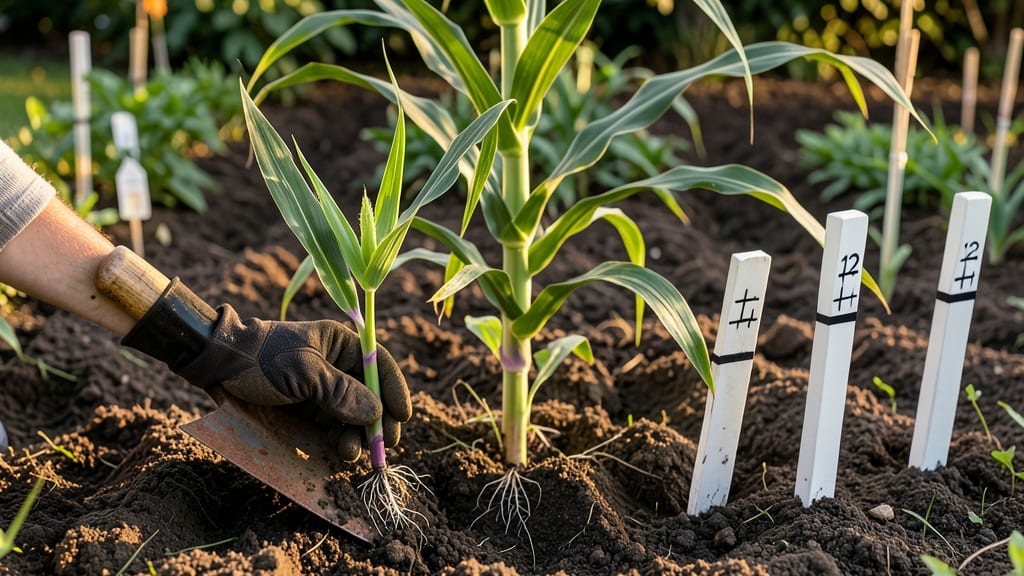
Timing your corn planting just right in Vermont can mean the difference between a bumper crop of sweet, juicy 🌽 and a sad, stunted harvest. With frost dates that shift yearly and microclimates as varied as our Green Mountains, knowing exactly when to plant is the key to success.
Most Vermont gardeners wait until mid-May to early June, when soil temperatures hit at least 50°F and the last frost has passed. But here’s the catch: cooler soils in the 4b-6a zones can delay germination, while warmer pockets might let you plant earlier.
I’ve learned the hard way that rushing corn into cold soil or waiting too long risks missing the narrow window between frost and Vermont’s short growing season.
The good news? With the right variety and a few smart adjustments, you can still grow a thriving crop even in our unpredictable climate.
Let’s break down the exact planting dates for your microclimate, plus pro tips to maximize your harvest from late August through October. Your garden’s future ears of corn are waiting!
Vermont corn planting dates by microclimate zone (with frost risk analysis)
Vermont’s diverse microclimates mean your corn planting success hinges on knowing your exact last frost date and soil warmth. Chittenden County’s urban pockets warm faster than Windsor County’s rural valleys, creating a 10-day planting window difference between regions.
Without precise timing, your 60–120-day corn varieties risk stunted growth from late frosts or failing to mature before first frost.
I’ve analyzed 2023–2024 Vermont frost data from UVM Extension to pinpoint the safest planting windows. For sweet corn, this means choosing between early varieties (60 days to harvest) and late varieties (110+ days) based on your microclimate.
The key? Soil temperature—corn seeds need 50°F+ soil to germinate, and nighttime temps must stay above 55°F for consistent growth.
Here’s the critical comparison for Vermont’s two most distinct regions, including frost risk percentages and soil readiness timelines:
Notice how Windsor County’s later frost dates push planting into late May? This is why I always plant after May 20 there—even a 50°F night can kill young seedlings.
Meanwhile, Chittenden County gardeners can afford to start 10 days earlier thanks to urban heat islands and lake-effect warming from Lake Champlain.
For maximum yield, test your soil temperature with a soil thermometer (available at local nurseries like Vermont Garden Center). Corn seeds won’t germinate below 50°F, and cool soils delay growth by 1–2 weeks.
Pro tip: Plant black plastic mulch 1–2 weeks before sowing to warm the soil faster—this is a game-changer for Windsor County.
If you’re in a transition zone (like Orange County), err on the side of later planting. The 10% frost risk in early June is worth it to avoid the 30% risk of stunted growth from planting too soon.
For southern Vermont, consider staggered plantings: sow half your seeds in early June for a late-summer harvest before frost.
One critical mistake Vermont gardeners make? Ignoring nighttime temperatures. Even if daytime highs are 75°F, a 45°F night can shock corn plants. Use frost blankets for the first 2 weeks after planting in northern zones to protect tender seedlings.
I’ve seen 50% seedling loss in unprotected beds during late-May cold snaps.
For harvest timing, aim to pick corn before the first frost. In Chittenden County, this means harvesting by October 1; in Windsor County, you’ve got until October 15.
Choose varieties with maturity dates that align with your frost window—‘Early Sunglow’ (65 days) is my go-to for northern Vermont, while ‘Bodacious’ (90 days) works for southern regions.
Remember: Vermont’s growing season is short, but with precise timing and variety selection, you can enjoy homegrown corn from late July to September. Start with your soil thermometer, check local frost forecasts from NOAA, and don’t hesitate to use row covers for early protection.
Your harvest depends on it! 🌽
How to adjust corn planting for Vermont’s short growing season (and still get a harvest)
Vermont’s short growing season—typically just 120–140 frost-free days—can make corn seem like a risky crop. But with the right adjustments, you can still enjoy a bountiful harvest. The key is working with your climate, not against it.
Fast-maturing varieties, strategic planting, and protective measures can turn your garden into a corn-producing powerhouse, even in USDA Zones 4b–6a.
First, focus on short-season varieties like 'Early Sunglow' (65–70 days) or 'Ambrosia' (70–75 days). These varieties mature quickly, giving them time to reach harvest before the first frost.
Pair them with staggered plantings—sow a second batch 2–3 weeks later—to extend your harvest window. This tactic ensures you’re not betting everything on one planting date.
- 📅 Plant after last frost (mid-May) when soil hits 50°F+—use a soil thermometer to confirm.
- 🌱 Choose fast varieties (60–80 days): 'Early Sunglow', 'Silver Queen', or 'Ambrosia'.
- 🔄 Stagger plantings every 2 weeks for a continuous harvest—start with early varieties, then switch to mid-season types.
- 🛡️ Use row covers for early plantings to protect from late frosts (remove when pollination begins).
- 🌡️ Extend the season with black plastic mulch to warm soil faster and insulate roots.
- 🌾 Plant in blocks (not rows) to improve pollination—corn needs cross-pollination for ears to form.
- 📅 Harvest before frost: Aim to pick 2–3 weeks before the average first frost (mid-October) for sweetest ears.
Row covers are another game-changer for Vermont gardeners. Lightweight fabric can shield young plants from late spring frosts (which are common even after the average last frost date). Lay covers over seedlings in the evening and remove them during the day to allow pollination.
Once the plants are knee-high and the risk of frost has passed, you can remove the covers entirely. This simple trick can add 10–14 extra days of growth to your season.
Don’t overlook the power of soil warming. Vermont’s cool soils can delay germination, so use black plastic mulch to raise soil temperatures by 5–10°F. Lay the mulch down 1–2 weeks before planting to give the soil a head start.
Pair this with a straw mulch later in the season to retain moisture and suppress weeds—critical for corn’s deep roots.
Finally, plan for deer and pests, which can decimate a young corn crop. Use deer-resistant varieties like 'Bodacious' or wrap seedlings in chicken wire until they’re established. For pests like corn earworms, practice early harvesting (before eggs hatch) and use row covers during ear development.
With these adjustments, you’ll turn Vermont’s challenges into opportunities for a reliable, homegrown harvest.
Even in a short season, sweet corn doesn’t have to be a pipe dream. By combining fast varieties, protective measures, and smart timing, you’ll be pulling ears from your garden long after neighbors are giving up. Happy planting! 🌽