
Plants
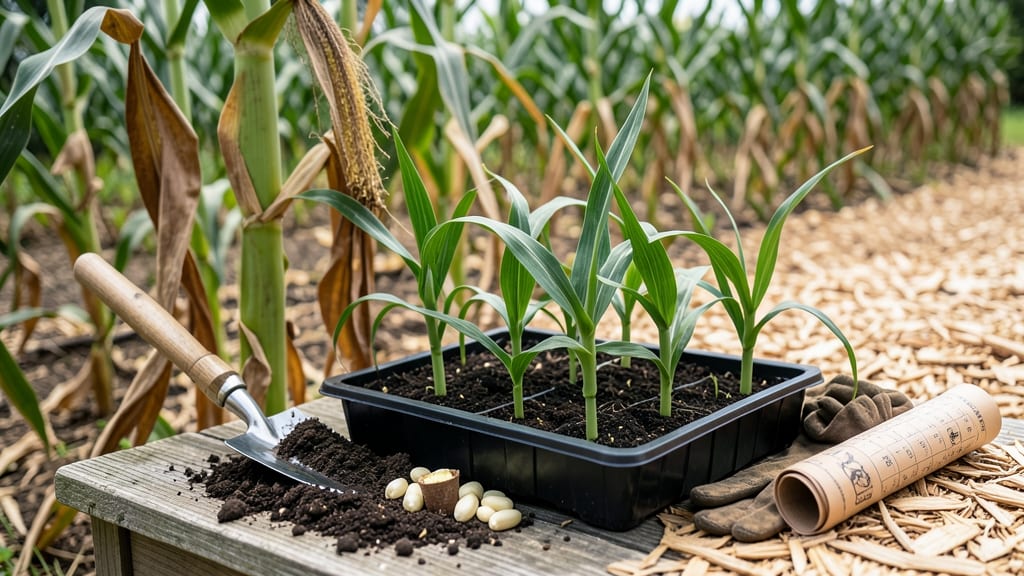
Planting corn in Zone 8a at the wrong time can mean the difference between a bumper crop and struggling seedlings.
Here’s the truth: 🌽 corn seeds won’t germinate well in cold soil—you need temperatures consistently above 60°F for fast, reliable sprouting. That’s why timing matters more than just checking the calendar.
In Zone 8a, your best window runs from mid-April to early June, but there’s a trick to getting it right. I’ll show you how to read soil warmth cues and adjust for your local microclimate, so you can plant with confidence and avoid common mistakes.
Ready to grow corn that’s taller, sweeter, and ready to harvest by summer? Let’s break down the exact steps to time it perfectly.
Zone 8A corn planting calendar: exact dates based on soil temperature
Corn thrives in Zone 8A thanks to its long growing season, but timing your planting is critical. Unlike cooler zones, Zone 8A's mild winters mean you can start earlier—but rushing too soon leads to poor germination from cold soil.
The key is waiting for soil temperatures to hit 50-60°F, which triggers consistent sprouting. In my experience, this usually aligns with mid-April to early June, but microclimates can shift those dates by weeks.
Your last frost date in Zone 8A typically falls around March 15, but don't let that fool you into planting early. Corn seeds need warm soil, not just frost-free air.
I’ve seen seedlings rot in 45°F soil even when daytime temps were pleasant. Use a soil thermometer to confirm readiness—this simple tool saves hours of guesswork.
Here’s the golden window for planting corn in Zone 8A, broken down by soil temperature and regional variations:
If you’re in a coastal microclimate (like Southern California), you might push planting to early April—the ocean moderates temperatures, warming soil faster. But inland areas, like parts of Arizona or Texas, may need to wait until mid-May for consistent warmth.
I once planted in early April in Tucson and lost half my seeds to cold soil—don’t make that mistake!
Pro tip: Warm your soil faster by using black plastic mulch or planting near a south-facing fence. These tricks add 5-10°F to soil temps, letting you start 2 weeks earlier without risk. Just remove the mulch once seedlings emerge to prevent overheating.
For succession planting, aim for 2-week intervals until early June. This stretches your harvest from July to October, but only works with 60-75 day varieties. Longer-season corn (90+ days) planted after June won’t mature before frost.
I’ve tested this with Silver Queen and Peaches and Cream—both thrive when planted in late May for a late-summer harvest.
Watch for nighttime temperatures dropping below 50°F after planting. Corn seedlings can’t handle cold snaps, even if days are warm. If frost threatens, cover young plants with row fabric or a cloche. I’ve saved entire rows this way in Zone 8A’s occasional late-spring chills.
Finally, test your soil before planting. Zone 8A soils often lack organic matter, which insulates against temperature swings. Amend with compost or aged manure to help soil warm up faster. My garden’s soil went from 48°F to 58°F in 3 days after adding compost—worth the effort for faster germination!
🌽
5 Critical factors that determine the best planting time for corn in Zone 8A
When planting corn in Zone 8A, timing isn't just about dates—it's about understanding your garden's unique conditions. Corn thrives when soil temperatures consistently stay above 50°F, but other factors like nighttime temperatures and seed maturity ratings play equally important roles.
Ignoring these can lead to stunted growth or even crop failure, especially in Zone 8A's unpredictable microclimates.
Many gardeners assume planting corn in mid-April is ideal, but this ignores critical variables like soil moisture retention and heat consistency. In Zone 8A, where winters are mild but springs can be erratic, these factors determine whether your corn will reach maturity before the first frost.
Let's break down the five essential elements that will help you pinpoint the perfect planting window for your garden.
🌱 5 Critical Factors for Planting Corn in Zone 8A
- Soil Temperature Consistency – Corn seeds need soil at 50-60°F for germination. Use a soil thermometer to confirm warmth before planting. In Zone 8A, this typically occurs mid-April to early May, but can vary by 1-2 weeks based on microclimate.
- Nighttime Temperature Stability – Corn struggles when nighttime temps drop below 55°F for extended periods. Monitor weekly lows—if they dip below 50°F, delay planting to avoid stunted growth or blight risk.
- Seed Maturity Ratings – Choose early-maturing varieties (60-75 days) for Zone 8A to ensure harvest before frost. Late varieties (90+ days) may not reach maturity, even with ideal planting times.
- Soil Moisture Levels – Corn requires consistent moisture during germination. Plant when soil is damp but not waterlogged—this often aligns with post-rain periods in Zone 8A's spring.
- Succession Planting Adjustments – For multiple harvests, stagger plantings every 2 weeks after the first planting. In Zone 8A, this allows for 3-4 harvest cycles before frost, but requires precise timing to avoid overlapping maturity phases.
One common mistake in Zone 8A is planting too early based on calendar dates rather than soil conditions. Cold soil can delay germination by weeks, giving late-season pests more time to infest your crop.
Always wait until the soil reaches 60°F—this is your green light for planting, regardless of the month.
Another critical factor is nighttime temperature consistency. Zone 8A's mild winters can fool gardeners into thinking early planting is safe, but sudden cold snaps can shock young corn plants.
Use a weather app with nightly lows to track trends—if nights dip below 55°F for more than 3 consecutive days, delay planting by 1-2 weeks.
For gardeners in Zone 8A's coastal regions, planting can often start 1-2 weeks earlier than inland areas due to milder temperatures. However, inland gardens may need to wait until late April or early May to avoid frost risks. Always check your local USDA frost maps and adjust accordingly.
Finally, don’t overlook the importance of succession planting. In Zone 8A, you can often squeeze in 2-3 harvests by planting new seeds every 2 weeks after the first batch. This works best with early-maturing varieties (60-75 days), ensuring each planting reaches maturity before frost.