
Plants
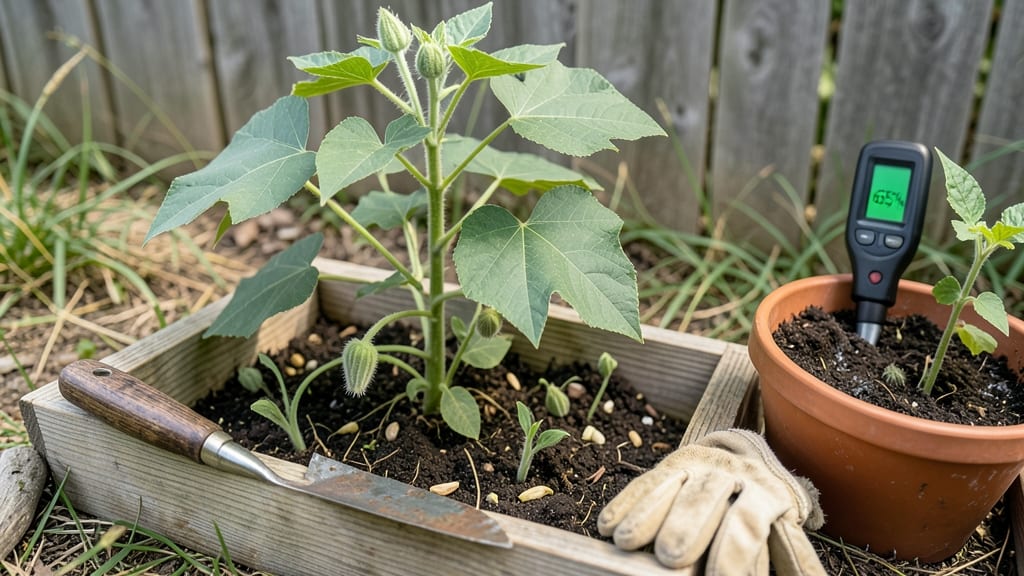
Planting cotton in North Carolina isn’t a one-size-fits-all task—your frost-free window can shift dramatically from the Piedmont’s rolling hills to the Coastal Plain’s humid lowlands. Skip the guesswork and you risk stunted plants or worse, a total flop.
The key? Timing your seeds between April 15 and May 31—but with a twist: Zone 7a gardeners need to wait longer than their Zone 8b neighbors.
Here’s the game-changer: soil temperature matters more than the calendar. Cotton thrives when the ground hits 65°F, and that moment arrives weeks apart across NC.
Whether you’re in Raleigh’s urban heat pockets or Wilmington’s sandy soils, knowing your last frost date (typically March 15) and local microclimates will save you from costly mistakes.
I’ll break down the exact planting windows for your county’s heat zone, plus how to tweak your schedule for sandy vs. clay soils and even urban heat islands. No more second-guessing—just a foolproof plan to get your 🧵 cotton off to a flying start.
Ready to avoid the top mistakes that derail NC cotton crops? From planting too early in Zone 7a to ignoring soil pH, I’ve got the checklist to keep your plants healthy until harvest—September through October. Let’s get those seeds in the ground the right way.
NC cotton planting dates by heat Zone: exact frost-free windows
North Carolina’s cotton planting windows shift dramatically between the Piedmont’s cooler microclimates and the Coastal Plain’s extended growing season.
In Zone 7a (e.g., Asheville, Boone), you risk frost damage if planting before May 1, while Zone 8b (e.g., Wilmington, Fayetteville) can safely start as early as April 15. The key?
Waiting until soil temps hit 60°F+ and all frost risk has passed—typically after the last average frost date for your county.
Cotton thrives on 150-180 frost-free days, meaning late Zone 7a growers may only get 120 days to maturity, while Coastal Plain farmers enjoy 210+ days.
Use this heat zone guide to align your planting with local averages, then adjust for microclimates (e.g., urban heat islands or low-lying areas with frost pockets). For example, Durham (Zone 7b) averages a March 25 last frost, but Mountain Island (Zone 7a) can see frost until April 10.
⚠️ CRITICAL: Planting too early in Zone 7a (before May 15) risks seedling death from frost, while delaying past June 1 in Zone 8b shortens the harvest window. Use black plastic mulch or row covers to warm soil faster in cooler zones.
For Piedmont counties (Zones 7a–7b), monitor local frost alerts—even after the average last frost, late-season freezes can occur. I recommend using soil thermometers to confirm 60°F+ soil temps before planting; sandy soils warm faster than clay.
In Zone 8b, you can push planting to late March if using black plastic mulch, which raises soil temps by 5–10°F.
Adjust for microclimates: Valley floors (e.g., Yadkin Valley) may frost 2 weeks later than nearby ridges, while urban areas like Charlotte’s downtown can be 3–5°F warmer than suburbs. Check NC State Extension’s frost maps for hyper-local data.
If your area has a history of late frosts (like April 15 in Zone 7a), wait until May 1 or use frost cloth for seedlings.
Cotton seeds need consistent warmth to germinate—below 55°F, germination stalls. In Zone 7a, start seeds indoors by April 1 under grow lights, then transplant after May 15.
For Zone 8b, direct-sow seeds after March 20 if soil is workable. Always pre-warm seeds in a 70°F water bath for 24 hours to speed germination.
Harvest timing depends on boll maturity, not planting date. In Zone
How to adjust cotton planting for NC’s microclimates and soil types
North Carolina’s diverse soil types and microclimates demand flexibility in cotton planting. The Coastal Plain’s sandy soils drain too quickly, while the Piedmont’s clay holds moisture like a sponge.
Even urban areas create heat islands that shift planting windows by weeks. Let’s break down how to adapt your schedule for these conditions.
Start by testing your soil’s drainage and pH. Sandy soils need organic matter (compost or aged manure) to retain moisture, while clay benefits from gypsum to break up compaction.
Aim for a 6.0-6.5 pH—cotton thrives here but struggles in acidic or alkaline extremes. If your soil fails these tests, amend it 4-6 weeks before planting.
Urban gardeners face unique challenges. Asphalt and concrete absorb heat, warming soil faster than rural areas. Use a soil thermometer to confirm 65°F+ soil temps before planting—even if your neighbor’s calendar says “go.” In cooler microclimates (like mountain foothills), delay planting until May 15 to avoid frost damage.
Adjusting Planting for NC’s Microclimates
DO
- ✅ Use black plastic mulch in sandy soils to retain moisture and warmth.
- ✅ Plant 1-2 weeks later in clay soils to avoid waterlogged roots.
- ✅ Cover seedlings with row covers if frost threatens after planting.
- ✅ Choose early-maturing varieties (e.g., ‘Deltapine 15’) for cooler zones.
DON’T
- ❌ Plant in cold, wet clay—wait for soil to dry and warm.
- ❌ Skip soil testing—pH imbalances stunt cotton growth.
- ❌ Use fresh manure near seedlings (burns roots).
- ❌ Ignore urban heat islands—plant earlier if soil warms faster.
For Coastal Plain gardeners, prioritize moisture retention. Lay down black plastic mulch 2-3 weeks before planting to warm the soil. In Zone 8a (e.g., Wilmington), you can start seeds indoors in mid-March and transplant by April 15. Use drip irrigation to avoid fungal issues from overhead watering.
Piedmont growers should focus on drainage. Amend clay soil with compost and sand (50/50 mix) to improve aeration. In Zone 7b (e.g., Raleigh), delay planting until May 1 to avoid late-spring frosts. If you’re in a low-lying area, choose a slightly elevated spot to prevent water pooling.
Extend your growing season in cooler zones with seasonal tools. Use soil warmers (like black landscape fabric) under row covers to raise soil temps by 5-10°F.
In Zone 7a (e.g., Asheville), this lets you plant 2 weeks earlier without frost risk. Just remove covers once plants are 4 inches tall to prevent overheating.
Remember: Cotton needs 150+ frost-free days to mature. If your local average is shorter, opt for short-season varieties like ‘Stoneville 213’ or ‘Paymaster HS 26’. Monitor your garden’s microclimate—a south-facing bed may be 2 weeks ahead of a shady corner. Adjust accordingly! 🌱