
Plants
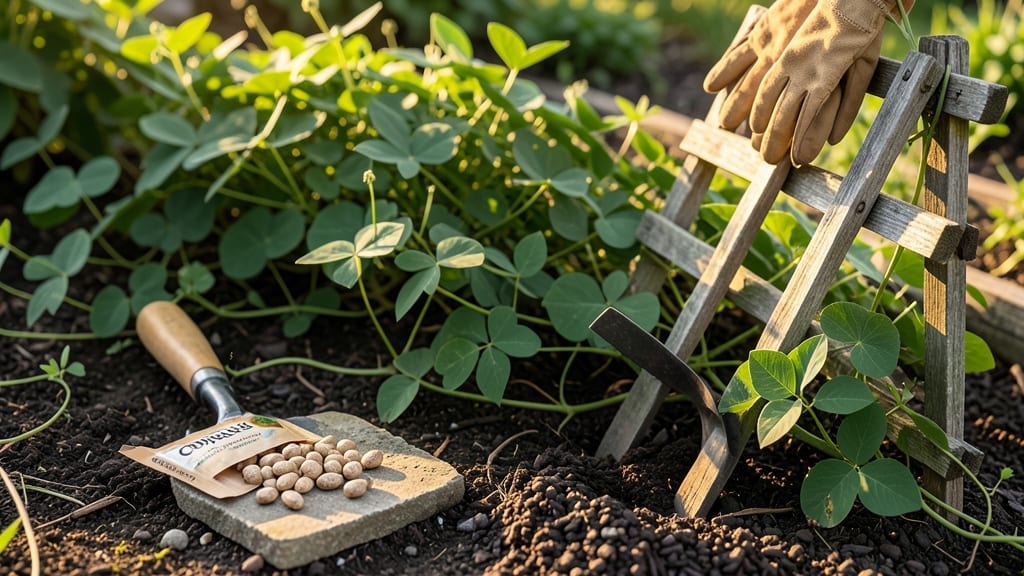
Planting cowpeas at the wrong time in Texas can mean the difference between a thriving harvest and wasted effort—especially when summer heat is your biggest ally. 🌱 These hardy legumes love the Lone Star State’s climate, but timing is everything to avoid stunted growth or bolted plants before they yield.
Most gardeners in USDA zones 8a–10b assume cowpeas are a summer crop, but the truth is more nuanced. Whether you're in North Texas (where frost lingers until February) or South Texas (where heat arrives by March), the ideal planting window shifts dramatically.
I’ll break down the exact months to sow for zero-frost success and how to leverage Texas’ extreme heat for bigger yields.
You don’t need a green thumb to master this—just a few key tricks, like waiting until soil hits 60°F and avoiding late-summer plantings that struggle under relentless sun. Let’s dive into the heat-zone-specific schedule that’ll turn your cowpea patch into a Texas-sized success story.
From early-spring sowings in Panhandle regions to late-July plantings in the Rio Grande Valley, we’ll cover it all. Plus, I’ll share pro tips on soil prep, watering hacks for scorching temps, and companion plants that keep pests at bay. Ready to grow cowpeas like a Texas pro?
Texas heat zone planting calendar for cowpeas (by month & region)
Texas’ extreme heat and varied frost dates make timing everything when planting cowpeas. Unlike northern legumes, cowpeas thrive in summer heat—but planting too early in cold soils or too late before first frost risks poor yields.
The state’s 11 USDA heat zones (A–I) create dramatic differences in planting windows, from North Texas’ late-March starts to South Texas’ February sowings.
Cowpeas need soil temperatures above 60°F (15°C) to germinate, making early planting risky in cooler zones. In Zone A (North Texas), wait until after April 15 to avoid frost damage, while Zone I (South Texas) allows February plantings.
My strategy? Double-check last frost dates for your county and use soil thermometers to confirm readiness.
Here’s your month-by-month breakdown for Texas’ heat zones, including early-summer vs. late-summer planting strategies to maximize harvests before first frost.
| Zone | Early Summer Planting | Late Summer Planting | Soil Temp Threshold | Frost Risk | |||||||||||||||||||||||||
|---|---|---|---|---|---|---|---|---|---|---|---|---|---|---|---|---|---|---|---|---|---|---|---|---|---|---|---|---|---|
| A (North TX) | April 15–May 15 | July 1–August 15 | 60°F (15°C) | High (Dec 1) | |||||||||||||||||||||||||
| B (Central TX) | March 30–April 30 | June 15–July 30 | 62°F (17°C) | Moderate (Nov 15) | |||||||||||||||||||||||||
| C (East TX) | March 15–April 15 | June 1–July 15 | 65°F (18°C) | Low (Dec 10) | |||||||||||||||||||||||||
| D (West TX) | April 1–May 1 | July 1–August 1 | 68°F (20°C) | High (Nov 30) | |||||||||||||||||||||||||
| E (North Central TX) | March 20–April 10 | June 10–July 20 | 63°F (17°C) | Moderate (Nov 5) | |||||||||||||||||||||||||
| F (South Central TX) | February 28–March 31 | May 15–June 30 | 66°F (19°C) | Low (Dec 1) | |||||||||||||||||||||||||
| G (East Central TX) | March 1–March 15 | May 1–June 15 | 64°F (18°C) | Low (Nov 20) |
| Legume | Soil Temp for Planting | Heat Tolerance | Drought Resistance | Texas Planting Window |
|---|---|---|---|---|
| Cowpeas | 60°F+ | Excellent (90°F+) | High | March–September |
| Black-Eyed Peas | 55–65°F | Moderate (bolts at 85°F) | Medium | February–April |
| Soybeans | 65°F+ | Moderate (struggles at 95°F) | Low | April–June |
| Peanuts | 75°F+ | High (needs heat) | Medium | May–July |
Avoid the #1 mistake Texas gardeners make: planting cowpeas in cold, wet spring soils. Cowpeas won’t germinate below 60°F, even if black-eyed peas might. Use a soil thermometer—if it’s cooler, wait.
Another pitfall? Overwatering after planting. Cowpeas need moist but not soggy soil; too much water early on can rot seeds before they sprout.
For maximum yields, align cowpea plantings with Texas’ rainy season. In East Texas, sow in late April to catch spring showers; in West Texas, wait until June when monsoon moisture arrives.
Pair cowpeas with okra or sweet potatoes to improve soil nitrogen and deter pests—both thrive in the same summer heat.
Remember: cowpeas aren’t just heat-tolerant; they’re heat-lovers. While black-eyed peas and soybeans need cooler conditions to perform, cowpeas peak in summer. Plant them right, and you’ll harvest pods from June to November—just as other legumes fade into the background. 🌱