
Plants
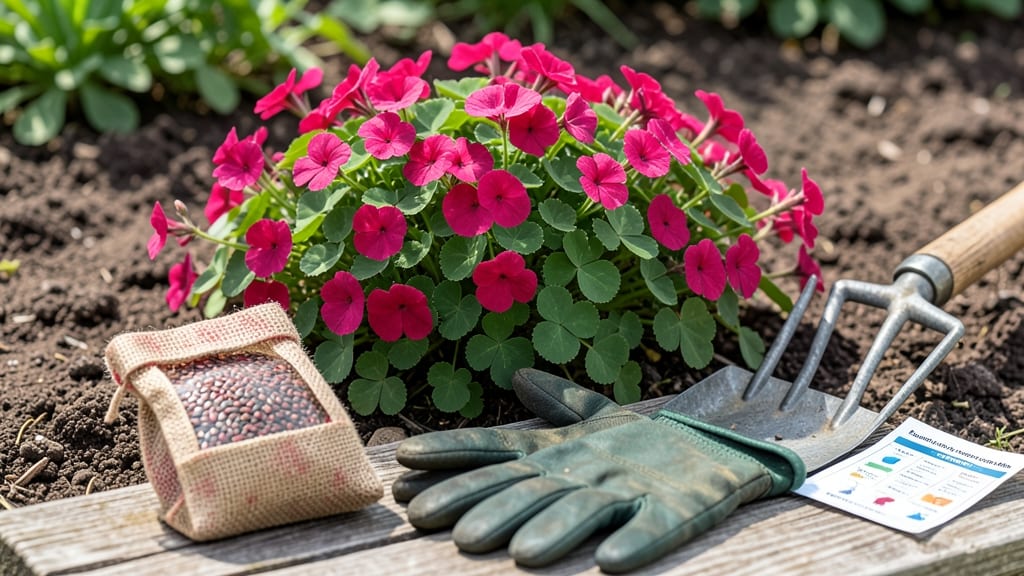
Planting crimson clover 🌸 at the wrong time in North Carolina can turn your soil health goals into a costly mistake—whether it’s struggling to establish before winter or blooming too late for pollinators.
The key to success lies in understanding when to plant for maximum impact, whether you’re aiming for winter cover or summer blooms.
For most of North Carolina’s 6a-8b zones, late summer to early fall (August through October) is the sweet spot—giving seeds time to germinate before the first frost while avoiding summer’s brutal heat.
But spring plantings can also work if you’re targeting summer flowers, though they miss the winter protection benefits.
I’ve seen firsthand how proper timing transforms crimson clover from a flop to a game-changer for lawns and cover crops. In this guide, I’ll walk you through the best planting windows, soil prep secrets, and regional tweaks to ensure your clover thrives year-round.
Ready to skip the guesswork? Let’s dive into the exact months, soil conditions, and common pitfalls that separate successful plantings from wasted seeds in NC’s varied climate.
Optimal planting windows for crimson clover in NC’s fall vs spring
North Carolina’s diverse climate zones—from the humid coastal plain to the cooler mountains—create distinct windows for planting crimson clover. The key is balancing soil temperatures (ideal: 60-70°F) with frost dates to maximize establishment.
Fall plantings often outperform spring in NC, but your zone dictates the exact timing. Let’s break down the best months for each region and why timing matters so much.
For coastal NC (Zones 7b-8b), the optimal planting window spans August 15-October 15, allowing seeds to germinate before first frost (typically November 15-December 1).
In contrast, Piedmont (Zones 7a-7b) gardeners should aim for August 1-September 30, while mountain regions (Zones 6a-6b) have a tighter window of July 15-August 31 to avoid early frosts (as early as October 15).
Spring plantings in NC are riskier due to summer heat stress but work best in March-April for coastal areas or late April-early May in the mountains. The trade-off?
Fall plantings establish deeper roots before winter, while spring plantings may bloom earlier but struggle in Piedmont heat. Let’s compare these approaches in detail.
Fall plantings in NC offer higher establishment success rates (up to 95% in coastal zones) because seeds germinate in warm soil and establish roots before winter. This is critical for nitrogen fixation—crimson clover’s superpower for improving soil health.
Spring plantings, while possible, often struggle with Piedmont heat waves (common in May-June) that can stress young seedlings.
For coastal gardeners, late September plantings still allow 6-8 weeks of growth before frost, while mountain regions must plant by mid-August to avoid early frosts. My rule of thumb?
Plant when soil temps hit 60°F consistently and there are at least 60 days until first frost. Use a soil thermometer to confirm—this small tool saves countless failed plantings.
Spring plantings in NC work best when timed for cool-season germination. In Zone 8b (coastal
Soil preparation & site selection for maximum crimson clover success
Crimson clover thrives when planted in well-prepared soil with the right balance of nutrients and drainage. Start by testing your soil pH—aim for a range of 6.0 to 7.0, which is ideal for nitrogen fixation.
Use a simple soil test kit or send a sample to your local Cooperative Extension Service for precise results.
Before planting, remove existing weeds and debris to create a clean seedbed. Crimson clover competes poorly with established vegetation, so pre-emergent herbicides should be avoided. Instead, use manual removal or smother crops like black plastic mulch for 4-6 weeks before planting.
Now for the key takeaway:
Crimson clover grows best in well-draining soil with moderate fertility. Avoid heavy clay soils unless amended with sand or compost to improve aeration. In NC’s Piedmont region, sandy loams are common—mix in organic matter to retain moisture without suffocating roots.
For companion planting, pair crimson clover with warm-season crops like peanuts or sweet potatoes in summer plantings. In fall, mix it with ryegrass for a living mulch that suppresses weeds while fixing nitrogen. Avoid planting near legumes like peas or beans, which compete for the same nutrients.
Microclimate matters! Crimson clover needs 6+ hours of sunlight daily but tolerates partial shade in hotter NC summers. If planting near trees, choose dappled shade areas where roots can still access sunlight. Poor drainage is a silent killer—ensure your site slopes gently to avoid water pooling.
After planting, maintain light, consistent moisture until establishment (about 4-6 weeks). Once rooted, crimson clover is drought-tolerant but will bloom more vigorously with regular watering. Mulch lightly with straw to retain moisture and suppress weeds without smothering young plants.