
Companion Plants
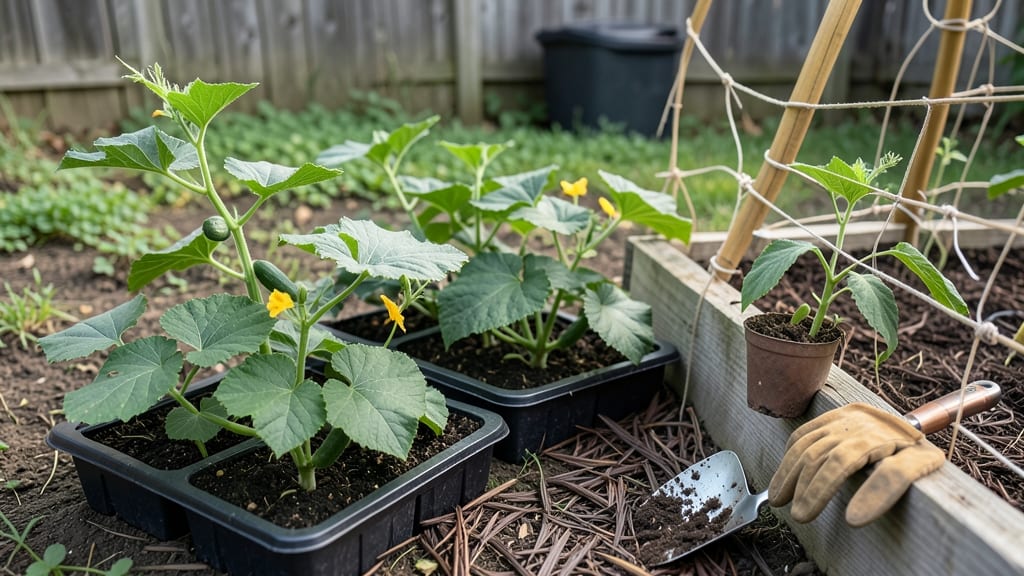
Planting cucumber seeds in Ohio isn’t just about waiting for spring—it’s about catching that narrow window between frost risk and scorching summer heat. Miss the mark, and your 🥒 vines might bolt or wither before they bear fruit.
With Ohio’s USDA zones 6a-6b and unpredictable weather swings, knowing the exact timing for your county can mean the difference between a bountiful harvest and wasted effort.
Most Ohio gardeners can start cucumber seeds directly in the ground after April 15, but soil temperature is the real game-changer. Wait until the dirt warms to at least 60°F—cold soil stunts growth, leaving your plants vulnerable to disease.
In colder northern Ohio counties, you might need to push planting to early May, while southern regions like Cincinnati can start as early as mid-April.
Here’s the secret: succession planting in Ohio’s short growing season. By staggering your seeds every 2 weeks from late April through May, you’ll extend your harvest from June right through September.
Whether you’re growing in containers or in-ground beds, timing is everything—and I’ll show you exactly how to sync your planting with Ohio’s climate quirks.
Ready to avoid the common mistakes? Let’s break down the county-specific frost dates, soil prep tricks, and even how to cheat the system with row covers if Mother Nature throws a curveball. Your perfect cucumber harvest starts with the right move—and it’s easier than you think.
Ohio’s cucumber planting zones: county-specific frost dates & ideal timing
Ohio’s USDA zones 5b-7a create a patchwork of planting windows for cucumbers, where a single week can mean the difference between a bumper crop and a frost-killed failure. Unlike heat-loving tomatoes, cucumbers demand consistent warmth—soil temps must hit 60°F+ before seeds sprout reliably.
My southern Ohio garden (zone 6b) lets me plant in early May, while northeast Ohio gardeners (zone 5b) often wait until late May or June.
To avoid guessing, I cross-reference local frost records with the Ohio State University Extension maps. For example, Cincinnati (zone 6b) averages its last frost on April 15, but Toledo (zone 5b) typically waits until May 10.
The key? Planting after your county’s historical last frost date—not before. Even a light frost can turn tender cucumber leaves to mush overnight.
Here’s the county-specific breakdown you need to time your cucumber seeds perfectly—whether you’re direct-sowing or transplanting seedlings:
For direct-sown seeds, I recommend planting 2–3 weeks after your county’s last frost date—this gives the soil time to warm up. Transplants (like ‘Straight Eight’ seedlings) can go in 1–2 weeks earlier since they’re already established.
Pro tip: Bury seedlings deeper than the pot—their stems have hidden root nodes that’ll grow into new roots when planted low.
Ohio’s microclimates mean your neighbor’s perfect timing might fail in your yard. For example, Cincinnati’s urban heat islands can be 2–3°F warmer than rural areas, letting gardeners plant 1 week earlier.
To test your soil’s readiness, I use a soil thermometer—cucumbers won’t germinate below 60°F, and slow starts attract pests like cucumber beetles.
If you’re in zone 5b and want to extend your season, I’ve had success with black plastic mulch to warm the soil 5–10°F faster than bare earth. For late summer harvests, succession-plant seeds every 2 weeks until July 15—this ensures cucumbers while the weather’s still hot.
Just avoid planting after August 1, or your vines won’t mature before frost.
One mistake I made early on? Ignoring windbreaks for my cucumber patch. Ohio’s late spring winds can stunt young plants, so I now plant near a fence or tall sunflowers to shield them. Also, trellising (even for bush varieties) improves
How to adjust planting for Ohio’s unpredictable weather: soil temp & heatwave strategies
Ohio’s weather can swing from 50°F mornings to 90°F afternoons in a single week, making cucumber planting a high-stakes game. Soil temperature is your best predictor—cucumbers won’t germinate below 55°F, and growth stalls under 60°F.
Use a soil thermometer to confirm warmth before planting, especially in northern Ohio where springs linger cooler.
Even after the last frost date, late May cold snaps can still threaten tender seedlings. I’ve lost entire cucumber starts to 32°F dips in early June, so I now use floating row covers for an extra 2-4°F buffer.
These lightweight fabrics let sunlight through while shielding plants from unexpected chills.
⚠️ callout warning
Don’t be fooled by early warm spells—Ohio’s average last frost date is April 15, but late frosts can occur until May 10 in USDA Zone 6a. Always verify soil temp (not air temp) before planting cucumbers. Use black plastic mulch to warm soil 5-10°F faster than bare earth.
🌱 Pro Tip: Plant bush cucumber varieties (like ‘Bush Champion’) if your season is short—they mature 55-60 days vs. 70+ days for vining types.
For heatwave resilience, prioritize succession planting every 2 weeks from May through June. This staggered approach ensures a continuous harvest even if early plants bolt from 95°F+ temps. I’ve had success with shade cloth (30%) over cucumbers during peak summer—it reduces soil temps by 10°F while maintaining humidity.
Watering strategy is critical: drip irrigation keeps foliage dry (preventing powdery mildew) and delivers 1-2 inches of water weekly. I water my cucumbers early morning to avoid fungal spores thriving in evening moisture.
Mulch with straw or grass clippings to retain soil moisture and deter weeds—Ohio’s humid summers make weeds grow faster than cucumbers!
If a cold snap hits after your cucumbers sprout, don’t panic. Move container-grown plants to a sunny garage or porch (if temps drop below 50°F).
For in-ground plants, drape row covers loosely over trellises to protect without smothering. I’ve saved entire plants this way—even when overnight lows hit 40°F.
Extend your harvest into fall by choosing heat-tolerant varieties like ‘Straight Eight’ and using black plastic mulch to absorb heat.
In southern Ohio (Zones 6b-7), you can plant a second crop in late July for a September harvest, provided you protect seedlings with row covers until soil warms again.