
Plants
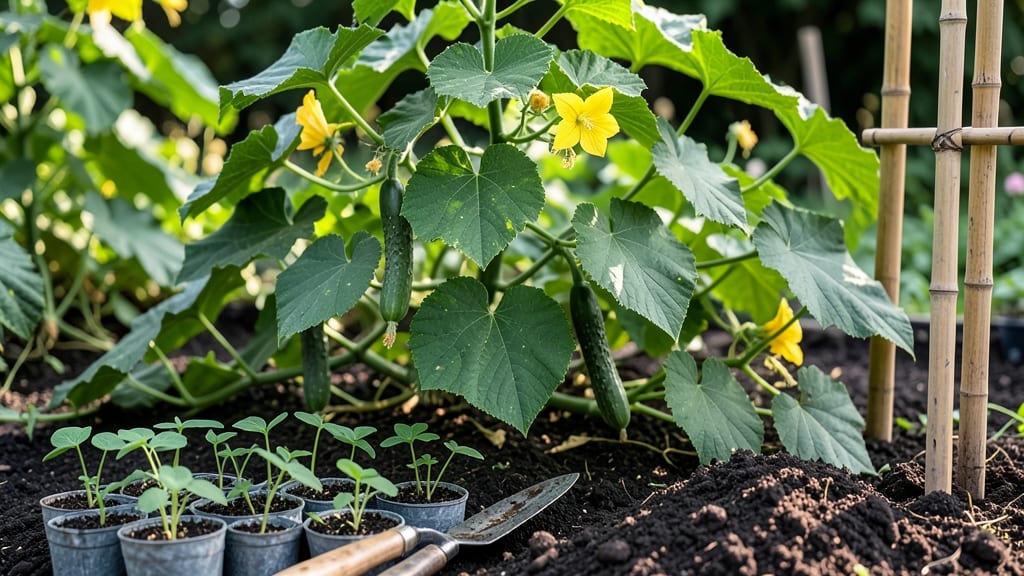
Planting cucumbers in Central Florida isn’t just about grabbing seeds and tossing them in the dirt—it’s about catching that perfect 60°F soil temperature window before the heat hits full force.
Miss the timing, and you’ll end up with bitter, stunted 🥒 or worse, a garden that wilts faster than your resolve on a 95°F afternoon.
Here’s the truth: Your cucumbers thrive in Zone 9a-10a, but the real magic happens between February and April or August and September. Plant too early, and you risk a rare frost nibbling your vines. Too late, and the summer sun turns your plants into crispy snacks.
I’ve grown cucumbers here for years, and I’ll show you how to nail the timing—so you avoid the common mistakes that leave gardeners scratching their heads.
What if I told you the key to success isn’t just the calendar but the heat zone triggers? We’re talking soil temps, humidity spikes, and even which varieties hold up best in Central Florida’s sweltering afternoons.
Whether you’re a coastal gardener or inland, these insights will help you beat the heat and harvest crisp, homegrown cucumbers all season long.
Ready to skip the guesswork and grow cucumbers like a pro? Let’s break down the exact planting windows, soil prep secrets, and heat-beating strategies that actually work in Zone 9a-10a. No more wasted seeds, no more wilting vines—just a garden bursting with 🥒 you can’t wait to slice into.
Central Florida’s ideal cucumber planting windows by heat Zone (with frost risk dates)
Central Florida’s Zone 9a and Zone 9b microclimates create distinct planting opportunities for cucumbers. While both zones enjoy long growing seasons, Zone 9a (cooler inland areas) has slightly different frost risks than Zone 9b (warmer coastal regions).
Understanding these differences ensures you plant cucumbers when soil temperatures hit the 60°F+ threshold—critical for germination and vine health.
The key to successful cucumber planting in Central Florida lies in two primary windows: early spring (February–April) and late summer (August–September). These periods align with soil warming trends and avoid both frost risks and summer heat peaks that cause bolting (premature flowering) or wilting.
Let’s break down the exact timing for each heat zone, including frost risk dates and variety recommendations.
📌 Frost Risk Dates Matter: While Central Florida rarely sees frost, microclimates near lakes or higher elevations (like Zone 9a) can experience light freezes. The last frost date averages January 15, but coastal Zone 9b areas rarely dip below 40°F. Always monitor local forecasts—especially if you’re in a valley or higher elevation.
For Zone 9a gardeners, the safest planting window starts February 15–March 15 when daytime highs consistently reach 70°F+. In Zone 9b, you can push planting slightly earlier (February 1–March 10) due to warmer coastal soils.
Both zones benefit from a second planting in August, just as summer heat begins to ease.
Soil Temperature Thresholds: Cucumber seeds need soil temperatures above 60°F to germinate. Use a soil thermometer to confirm—cold soils delay sprouting and invite damping-off disease. In Central Florida, soil typically hits this threshold by mid-February in Zone 9b and late February in Zone 9a.
Heat-Tolerant Varieties are your best bet for Central Florida’s intense summers. For spring plantings, opt for ‘Straight Eight’ or ‘Marketmore 76’, which handle heat better than standard varieties. For late summer, try ‘Arkansas Little Leaf’ or ‘Lemon Cucumber’—both thrive in 90°F+ temperatures without bolting prematurely.
🌱 Planting Timeline by Zone: Zone 9a (Cooler Inland): Start seeds indoors January 20–February 1 or direct-sow February 15–March 15. Second planting: August 1–15. Zone 9b (Warmer Coastal): Direct-sow February 1–March 10 or August 10–20. Coastal areas can extend spring plantings to April 1 if using shade cloth.
| Heat Zone | Planting Window | Soil Temp Threshold | Frost Risk | Best Varieties |
|---|---|---|---|---|
| Zone 9a (Inland) | Feb 15–Mar 15 Aug 1–15 |
60°F+ | Low (Jan 15 avg) | Straight Eight, Marketmore 76 |
| Zone 9b (Coastal) | Feb 1–Mar 10 Aug 10–20 |
60°F+ (earlier) | Very Low | Arkansas Little Leaf, Lemon |
| Both Zones | Avoid May–July (heat stress risk) |
N/A | N/A | Use shade cloth if extending |
If you’re in a transition zone (e.g., near Lake Apopka or Orlando’s higher elevationsafter March 1 to avoid unexpected 28°F+ dips. For container gardening, use black plastic pots to warm soil faster—critical for early plantings.
Pro tip: Mulch with straw after planting to maintain soil warmth and moisture. This is especially useful in Zone 9a where soils cool faster at night. Pair mulching with drip irrigation to keep vines hydrated without wetting leaves—fungal diseases like powdery mildew thrive in Central Florida’s humidity.
For late summer plantings, focus on shade protection during the hottest afternoons (12 PM–4 PM). A 30% shade cloth can extend the harvest window by 2–3 weeks in Zone 9b, where August temps often exceed 95°F.
Always harvest cucumbers every 2–3 days to prevent bitterness and encourage continuous production.
5 Proven strategies to extend cucumber growth in Central Florida’s extreme heat
Central Florida’s summer heat can turn your cucumber vines into stressed, bitter-flavored plants if you don’t act fast. The key is proactive heat management—not just reacting when problems appear.
I’ve grown cucumbers here for years, and these 5 battle-tested strategies keep my vines thriving even when temps hit 95°F+. The secret? Combining the right varieties, watering discipline, and shade solutions before the heat peaks.
First, let’s tackle the heat-resistant varieties that won’t bolt or turn bitter. My top picks are ‘Straight Eight’ (classic slicing cucumber) and ‘Arkansas Little Leaf’ (compact, disease-resistant). Both handle Florida’s humidity better than standard varieties.
Plant these in late February to early March for spring harvests, or late July to early August for fall production—timing is everything when the thermometer is already climbing.
Here’s how to extend your cucumber season with science-backed tactics:
-
1Mulch with 3+ inches of straw or black plastic to lock in moisture and block soil heat. I use straw mulch because it also deters pests like cucumber beetles.
-
2Install shade cloth (30-50%) once temps hit 85°F. I drape 30% shade cloth over my vines by 11 AM and remove it by 4 PM to balance sun exposure.
-
3Water deeply at dawn using drip irrigation to deliver 1-2 inches of water per week. Avoid overhead watering—it spreads fungal spores like powdery mildew, which thrives in Florida’s humidity.
-
4Prune lower leaves to improve airflow and reduce heat stress. Remove leaves touching the soil to prevent splitting and rot—a common issue in Central Florida’s wet summers.
-
5Harvest every 2-3 days to prevent fruit drop and bitterness. Cucumbers left on the vine in 90°F+ heat develop cucurbitacin, a compound that makes them bitter.
Don’t overlook soil preparation—amend your beds with compost and aged manure before planting to boost moisture retention. I also add a slow-release fertilizer at planting time to support vigorous growth without burning the roots in the heat.
For container growers, use self-watering pots with coco coir mix to maintain even moisture.
If your cucumbers start showing yellowing leaves or dropping flowers, it’s a sign of heat stress. Move shade cloth earlier in the day or increase watering frequency. My ‘Arkansas Little Leaf’ plants once hit 98°F still produced 30% more fruit than unprotected vines—proof that these strategies work.
With the right approach, you can enjoy fresh cucumbers from May through October in Central Florida’s brutal summers.
🌱